Read the Beading Like a Map
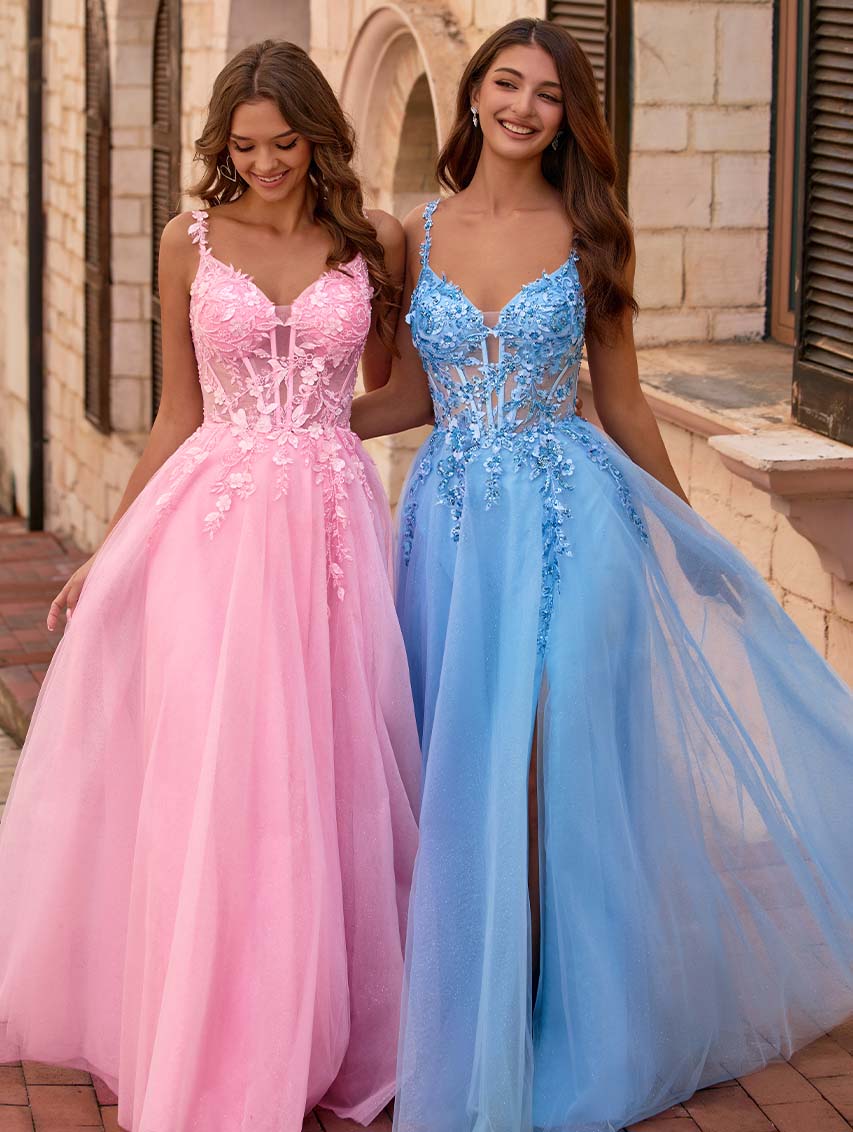
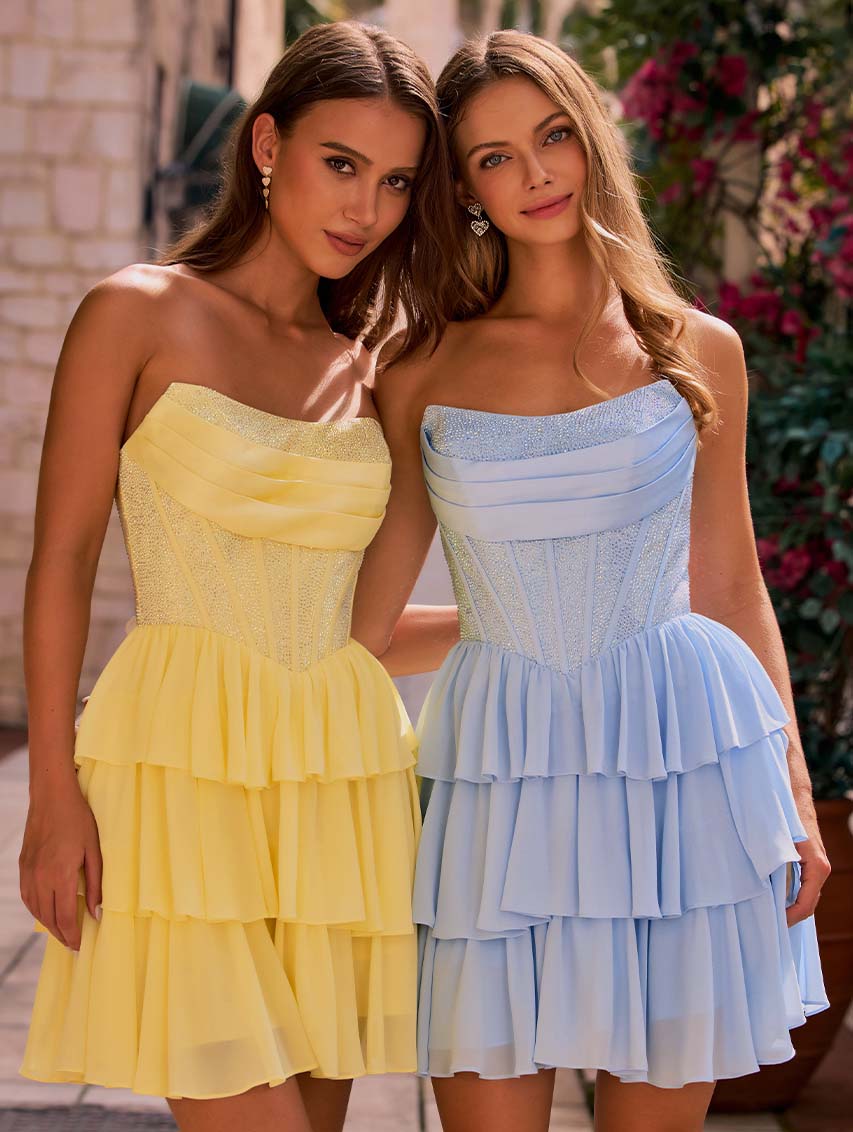
Where the beads are placed can matter more than how many are used. Look at the complete dress to see which lines the embellishment emphasizes.
Beaded Necklines and Straps
Beads placed around a neckline or along the straps create a defined frame for the upper bodice. Check the underside of embellished straps when possible, as beads positioned too close to the skin may feel noticeable after several hours.
Beaded Corset Seams
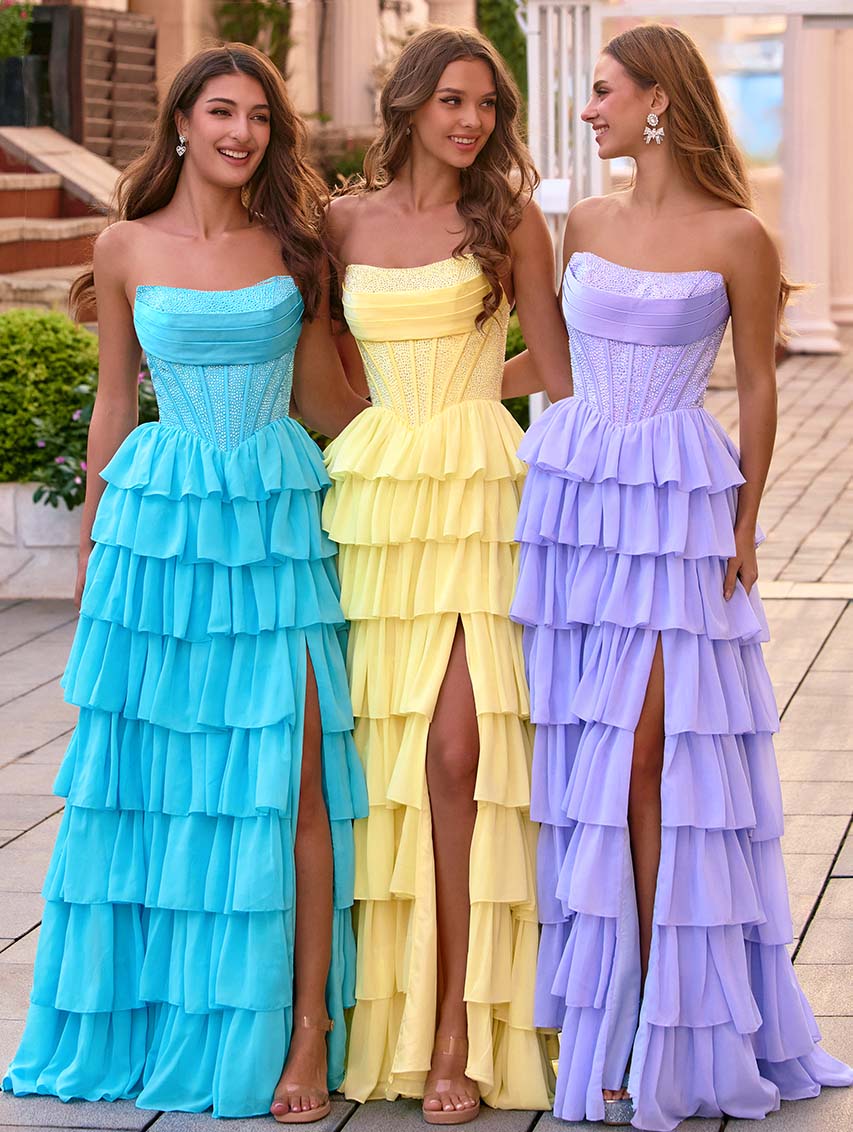
Beadwork can follow boning channels, cup edges or panel seams, making the architecture of a corset prom dress more visible. This creates a structured effect even when the skirt remains relatively simple.
Scattered Beading
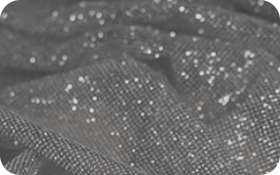
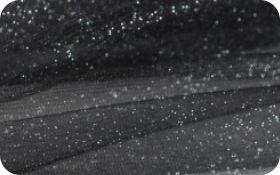
Widely spaced embellishments create isolated flashes of light while allowing the base fabric to remain prominent. This can work especially well on tulle, lace and appliquéd gowns.
Heavily Beaded Surfaces
Dense beadwork produces stronger texture and visual impact. It can also add weight and reduce the flexibility of the decorated area, so movement and comfort should be considered alongside appearance.
Know What Creates the Shine
“Beaded” can describe several types of embellishment. A dress may use small seed beads, pearls, faceted stones or a mixture of decorative elements. Check the product description and close-up images rather than assuming every beaded gown has the same finish.
Beads create raised texture and small points of reflected light. Sequins are flatter reflective pieces that usually produce broader flashes. For dresses centered on sequin coverage, explore sequin prom dresses.
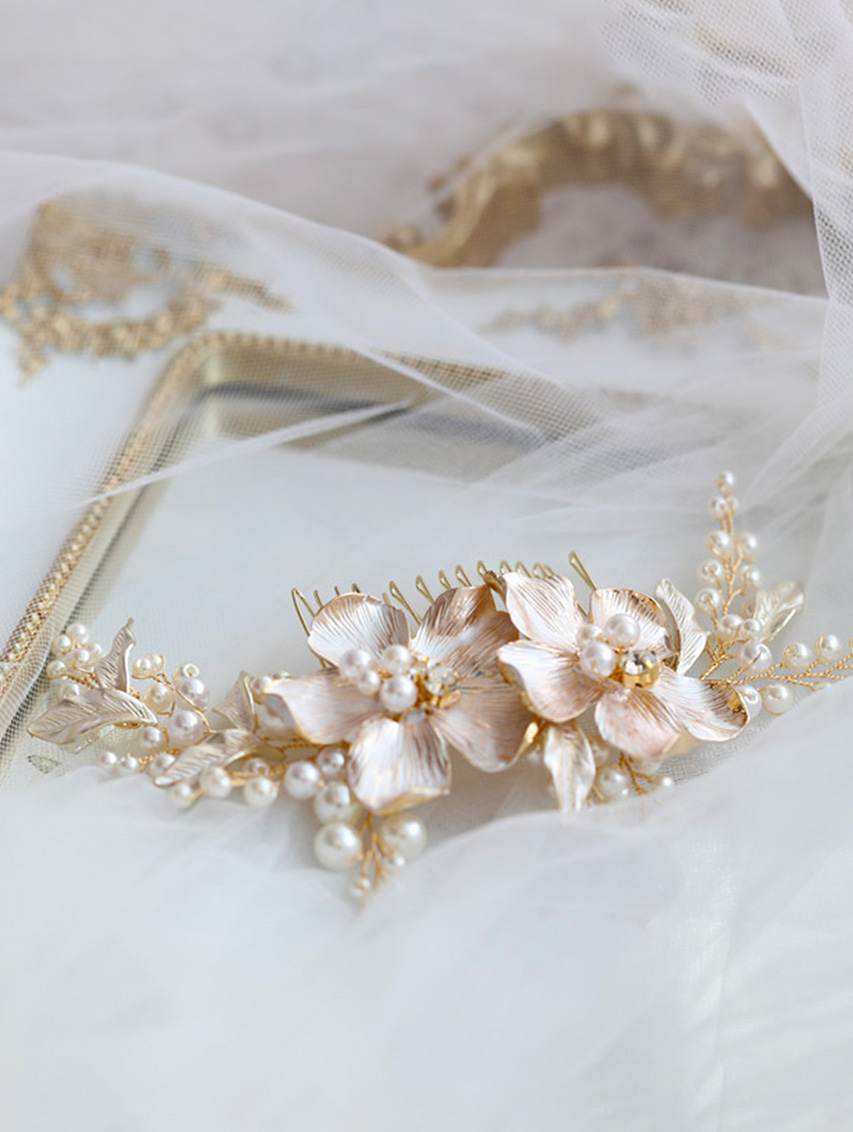
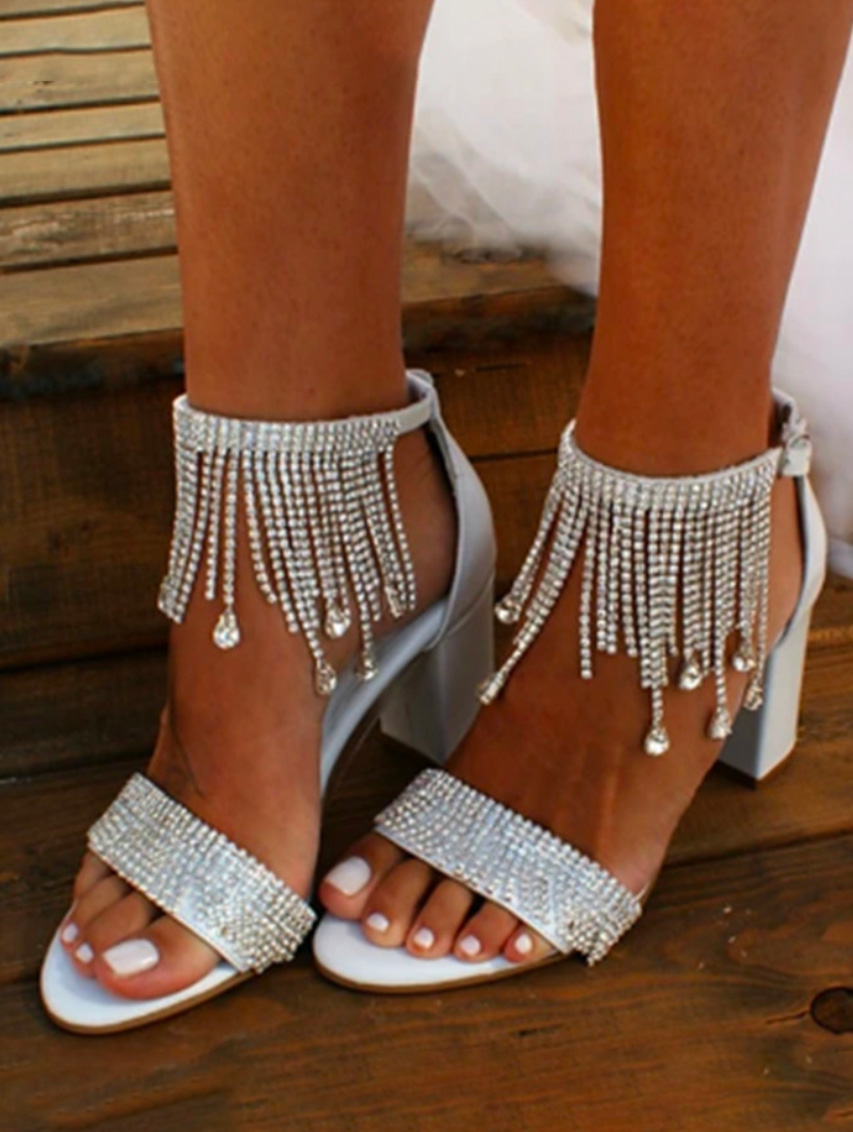
Crystals and rhinestones can create sharper reflections, while pearls add a softer, less mirror-like surface. Some gowns combine beadwork with lace, appliqués, sequins or glitter.
Let the Embellishment Support the Silhouette
An A-line prom dress can concentrate beadwork on the bodice before transitioning into a lighter skirt. This keeps the upper design detailed while preserving movement through the hem.
A fitted or mermaid prom dress may use beads to follow the body, highlight the waist or define the transition into the flare. Check whether the decorated fabric stretches and whether the beadwork changes flexibility around the hips and thighs.
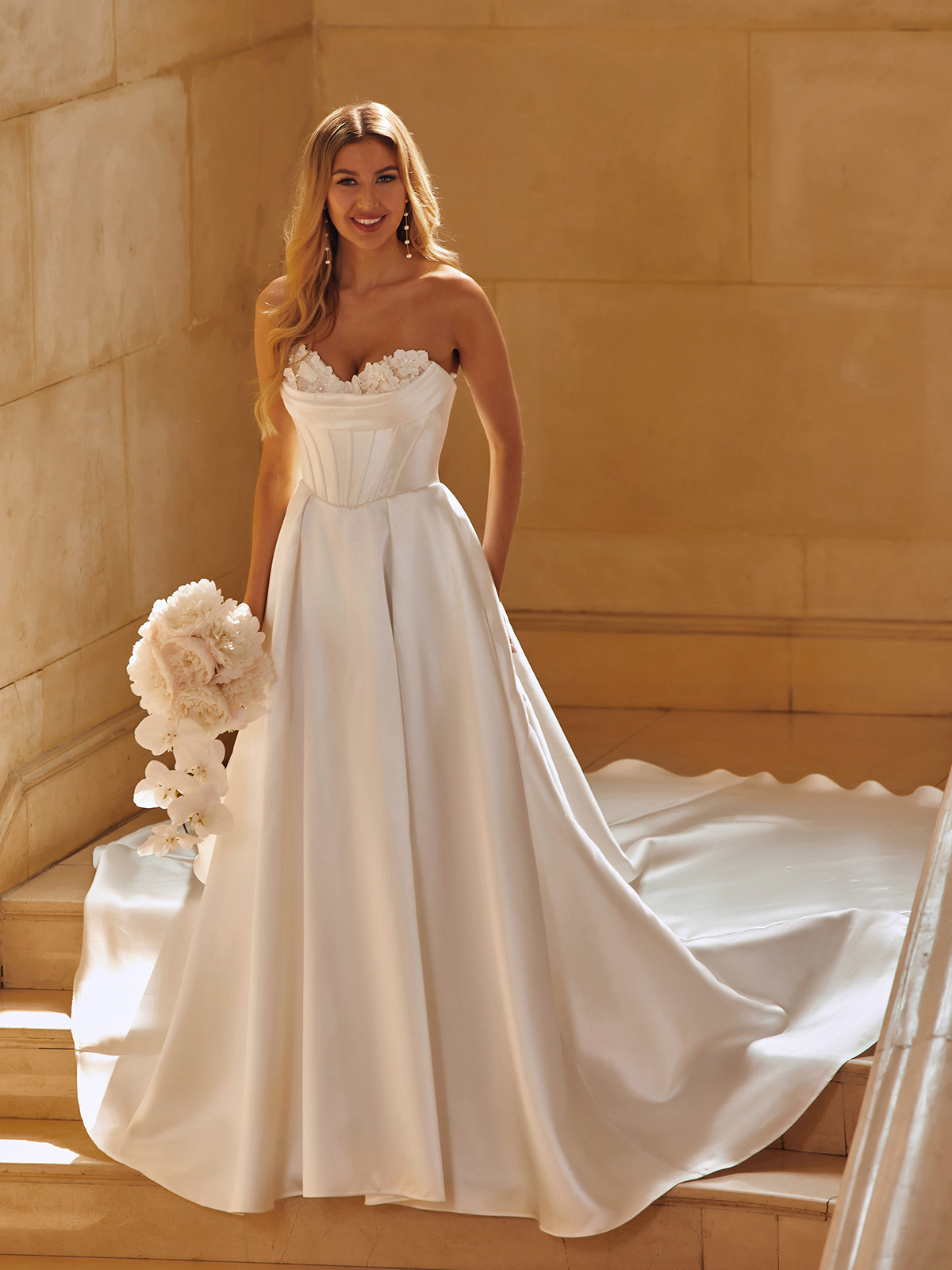
On a ball gown, embellishment can be limited to the bodice or continue across the full skirt. Consider the combined weight of beads, lining and layered fabric before choosing a heavily decorated design.
Inspect the Beadwork Before Ordering
Close-up product images are especially important for embellished gowns. Review:
Customer photographs can also help show how the beads respond to ordinary room lighting rather than studio lighting alone.
Check Weight, Friction and Movement
Beadwork can change how a dress feels. Dense decoration may add weight to straps or the bodice, while raised embellishments can rub against the arms or catch on nearby fabric.
During a fitting, move your arms naturally, sit down and walk several steps. Check the underarm area, side seams and any embellished straps for friction. If the skirt is beaded, make sure the decoration does not catch against itself while walking.
A heavier bodice should remain supported through proper construction and fit rather than relying only on narrow straps.
Keep Accessories From Competing or Catching
Let the placement of the beadwork guide the jewelry. A heavily embellished neckline may need only simple earrings, while a gown with beading concentrated at the waist or skirt can support a restrained necklace.
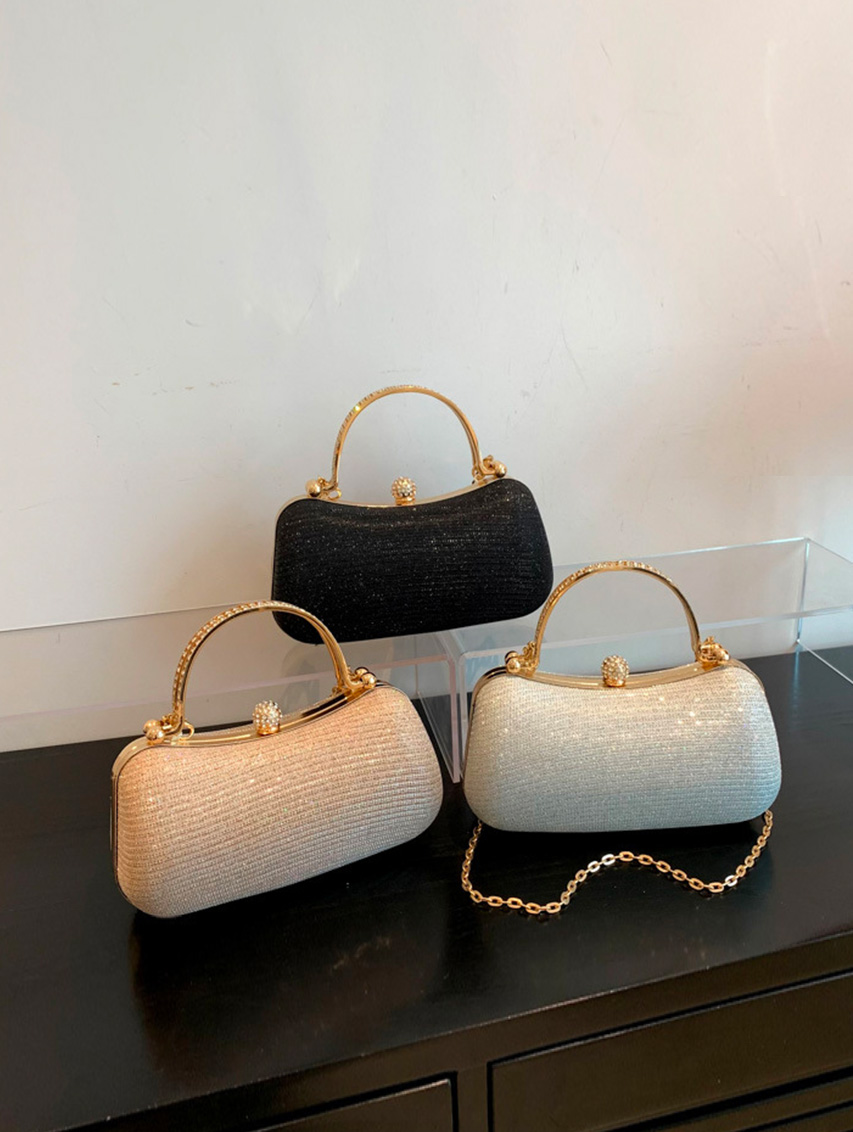
Avoid bracelets, rings or clutches with rough edges that could catch the beadwork. A smooth bag and uncomplicated jewelry reduce the risk of snagging delicate threads.
Choose accessories according to the tone of the embellishment rather than forcing an exact match. Silver-toned beads can work with cool metallic accents, while champagne, gold or pearl details can support warmer finishes.
Store and Handle the Dress Carefully
Lift a beaded gown from its strongest internal hanging loops when available instead of placing all its weight on delicate straps. Store it in a spacious garment bag so raised embellishments do not press against or snag other surfaces.
Follow the care label exactly. Do not iron directly over beads, crystals, pearls or appliqués. If steaming is permitted, work carefully from the reverse side or at the recommended distance.
Carry a small repair kit on prom night only if it is appropriate for the gown. Avoid pulling a loose thread, as doing so may release additional beads.
Browse all prom dresses for more fabrics, silhouettes and embellishment levels.
Beaded Prom Dresses FAQs
What is a beaded prom dress?
A beaded prom dress has raised decorative elements attached to its fabric. Beading may appear around the neckline, across a corset bodice, along appliqués or throughout the gown.
Are beads and sequins the same?
No. Beads are three-dimensional decorative pieces, while sequins are generally flatter discs that reflect broader flashes of light. A dress can contain both.
Are heavily beaded prom dresses heavy?
They can be. The final weight depends on the amount of beadwork, base fabric, lining and skirt construction. Check product details and reviews when weight is a concern.
Can beadwork make a dress less stretchy?
Yes. Dense beadwork or the stitching that holds it in place may limit flexibility in the decorated area, even when the underlying fabric contains stretch.
What should I do if a bead becomes loose?
Do not pull the thread. Keep the dress still and have the area secured by someone experienced with formalwear alterations. Save any detached bead in case it can be reattached.
How should I clean a beaded prom dress?