Start with the Outline You Want to Wear
When browsing simpler gowns, compare full-length views before focusing on small details. Notice the relationship between the shoulders, waist and hem. A narrow skirt, a gradual flare and a broad sweep of fabric create very different looks even in the same color.
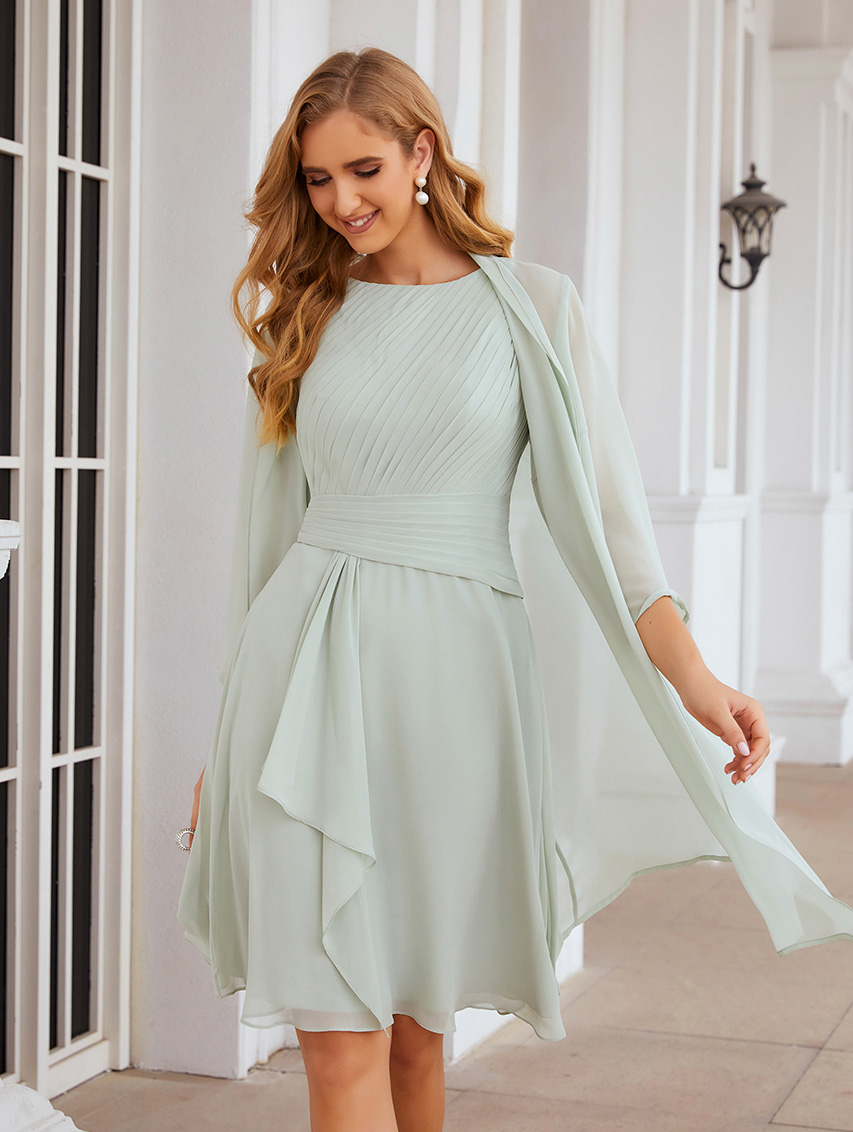
Simple A-Line Prom Dresses
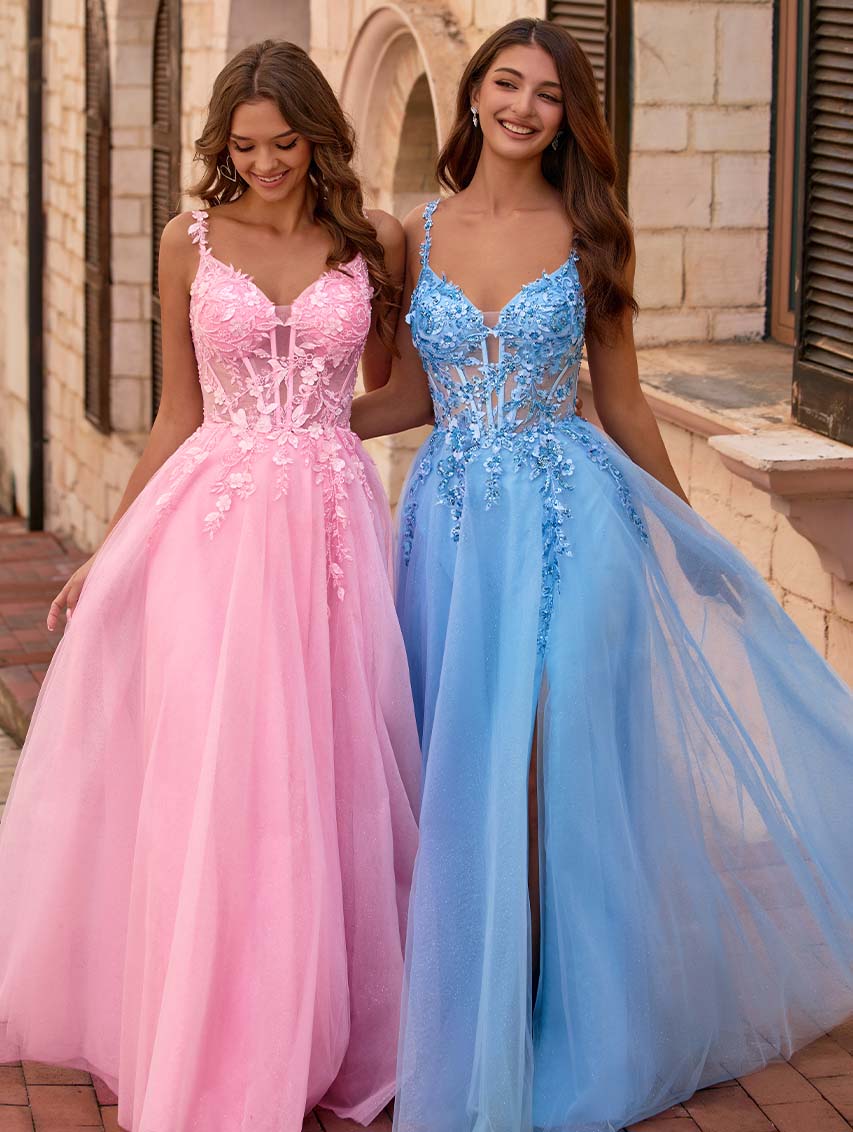
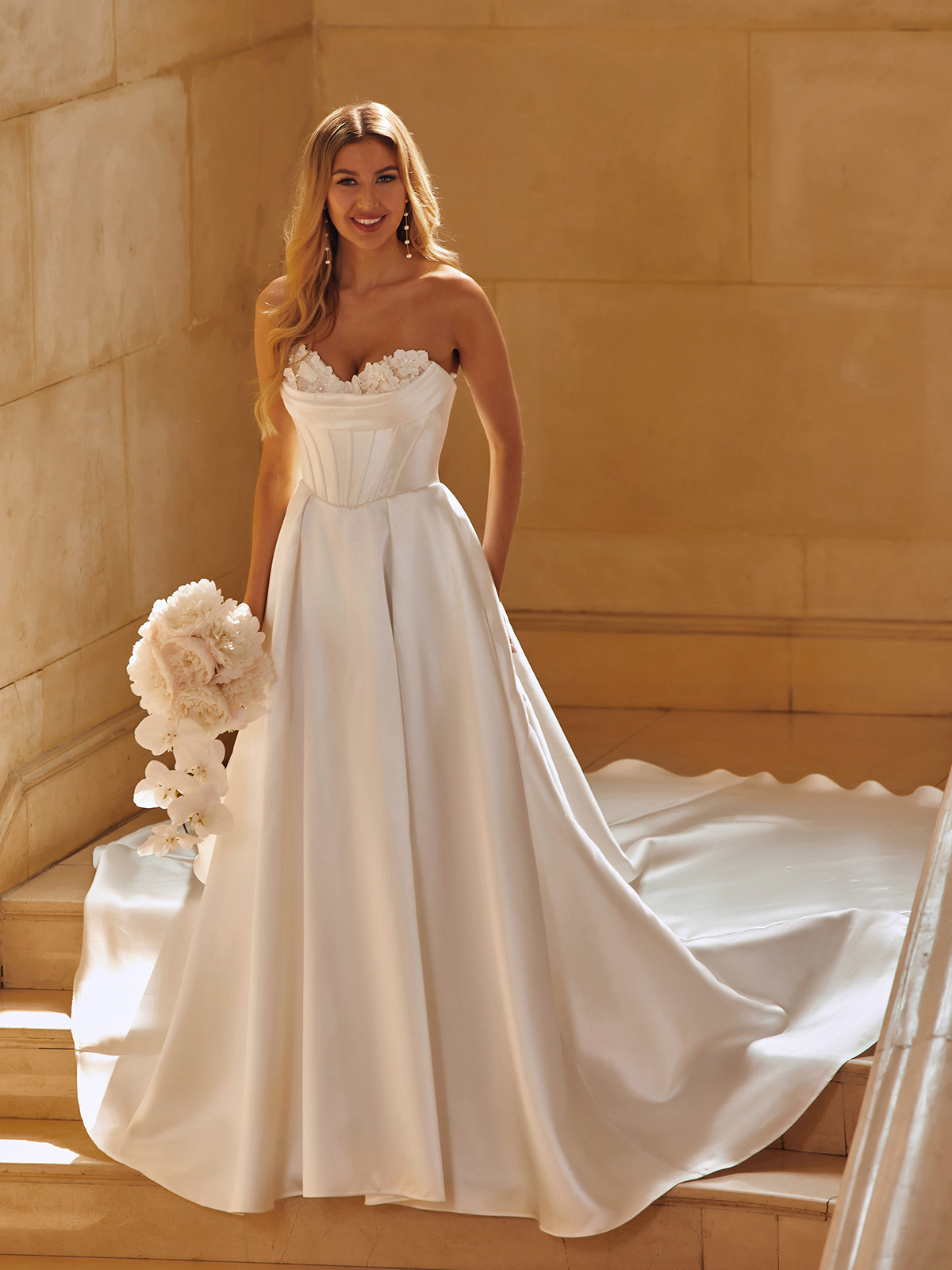
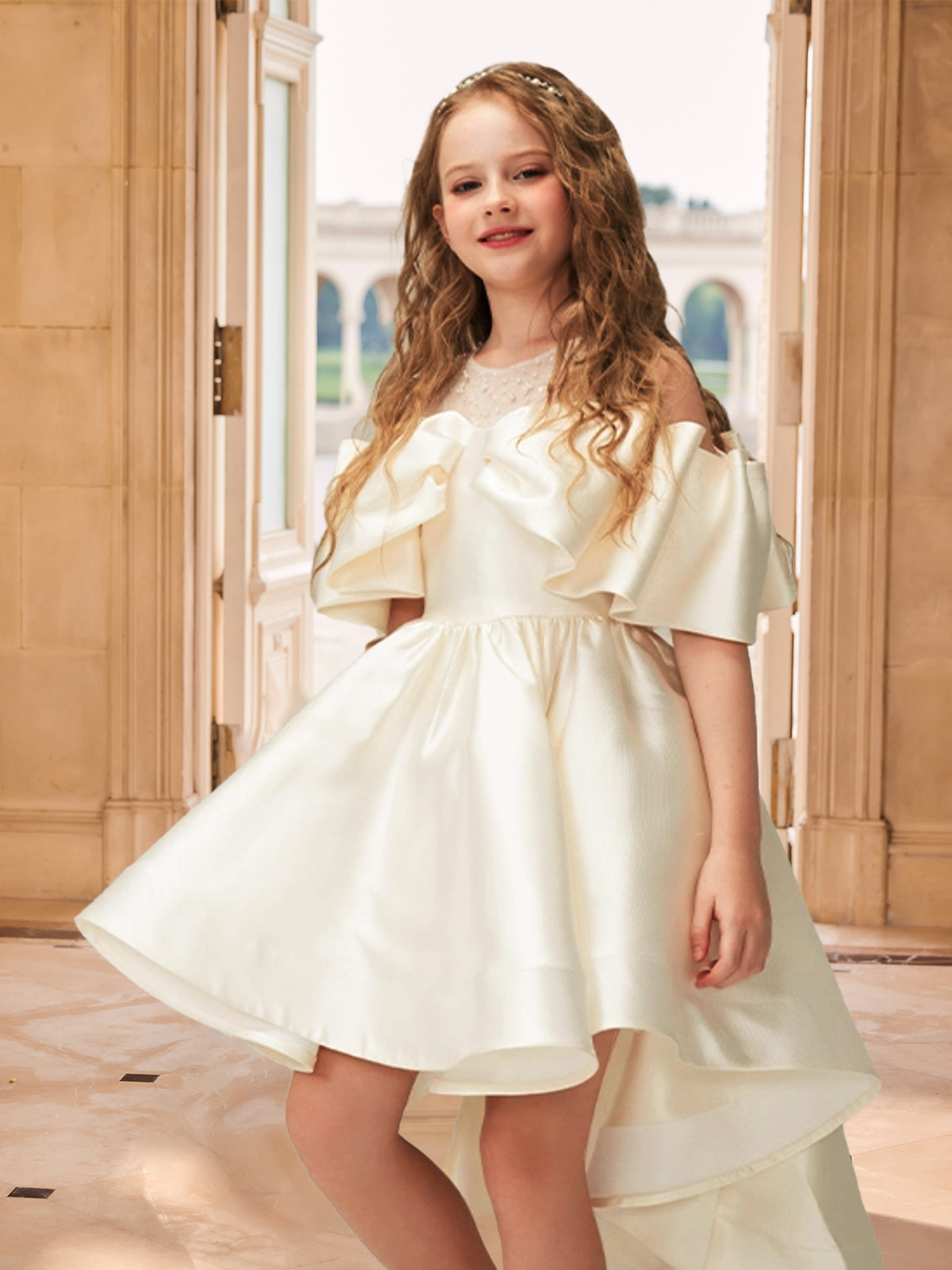
An A-line dress gives a fitted upper half room to open into a fuller skirt. On a relatively plain gown, the waist treatment becomes part of the design: broad pleats create an organized shape, while soft gathers give the skirt a more relaxed fall. Consider how much fullness you want. A gentle flare keeps the outfit easy to follow from neckline to hem, while a wider satin skirt makes a stronger entrance. A clean bodice above either shape allows the proportions to remain clear.
Fitted Gowns with Deliberate Draping
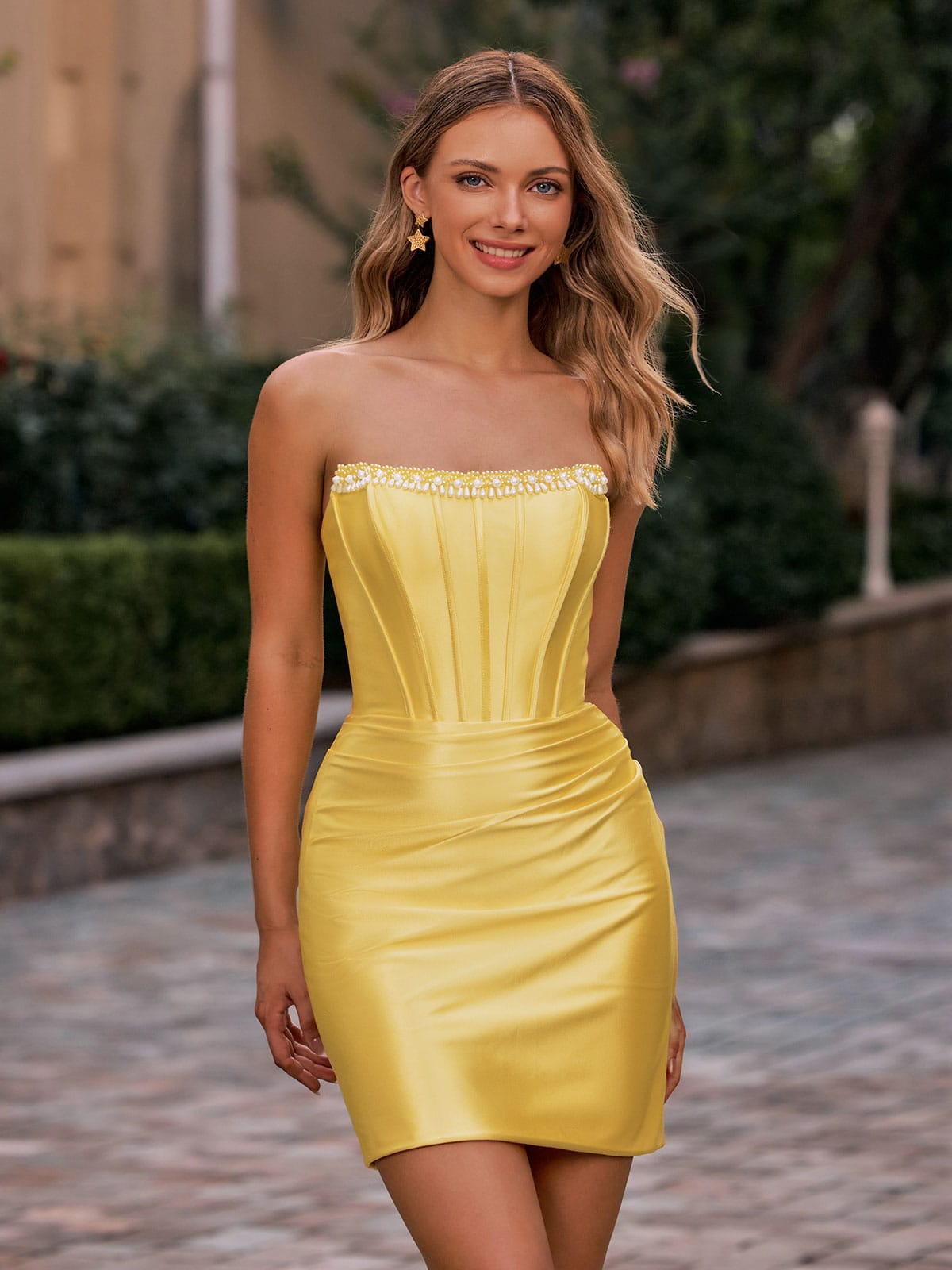
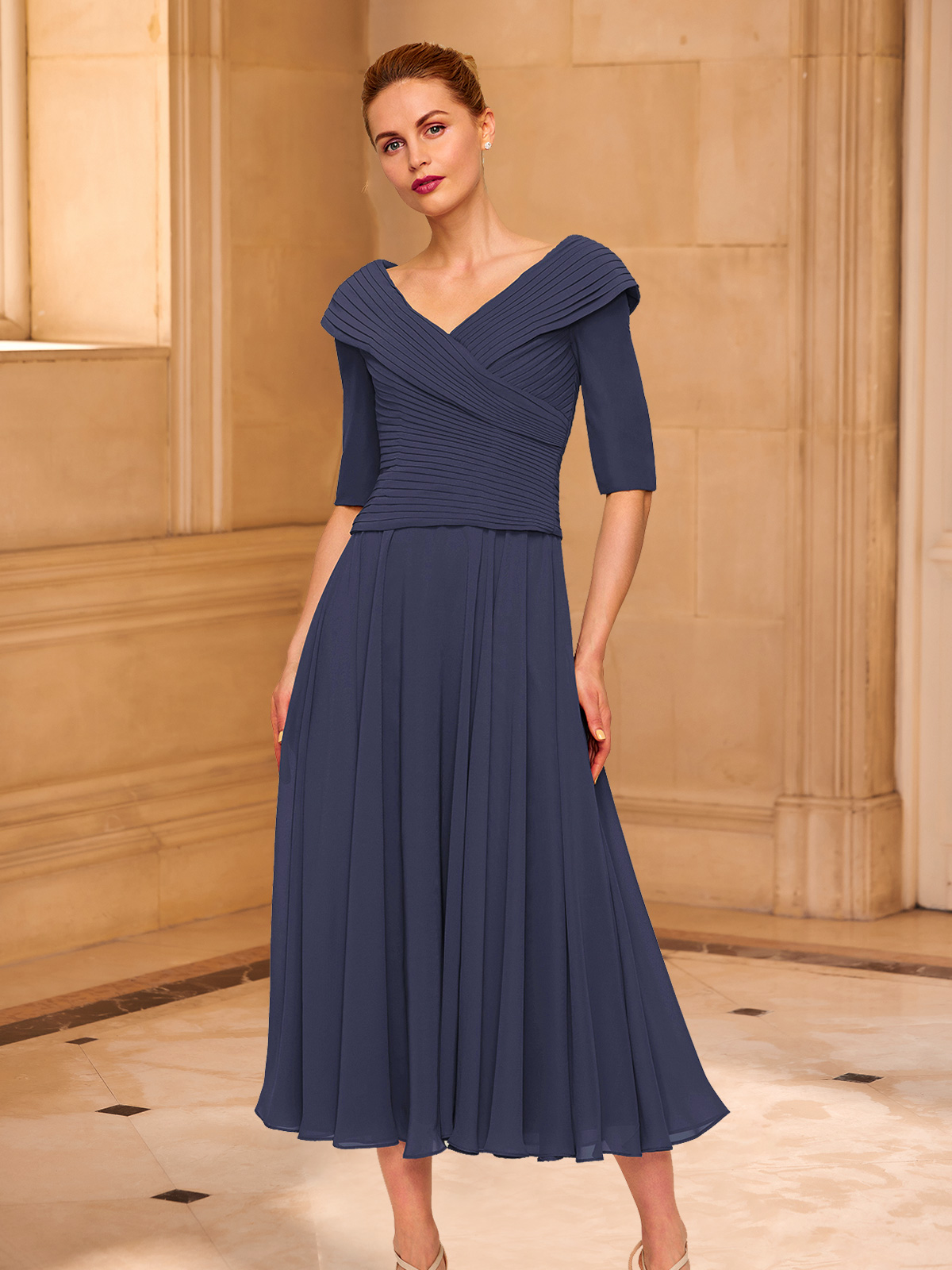
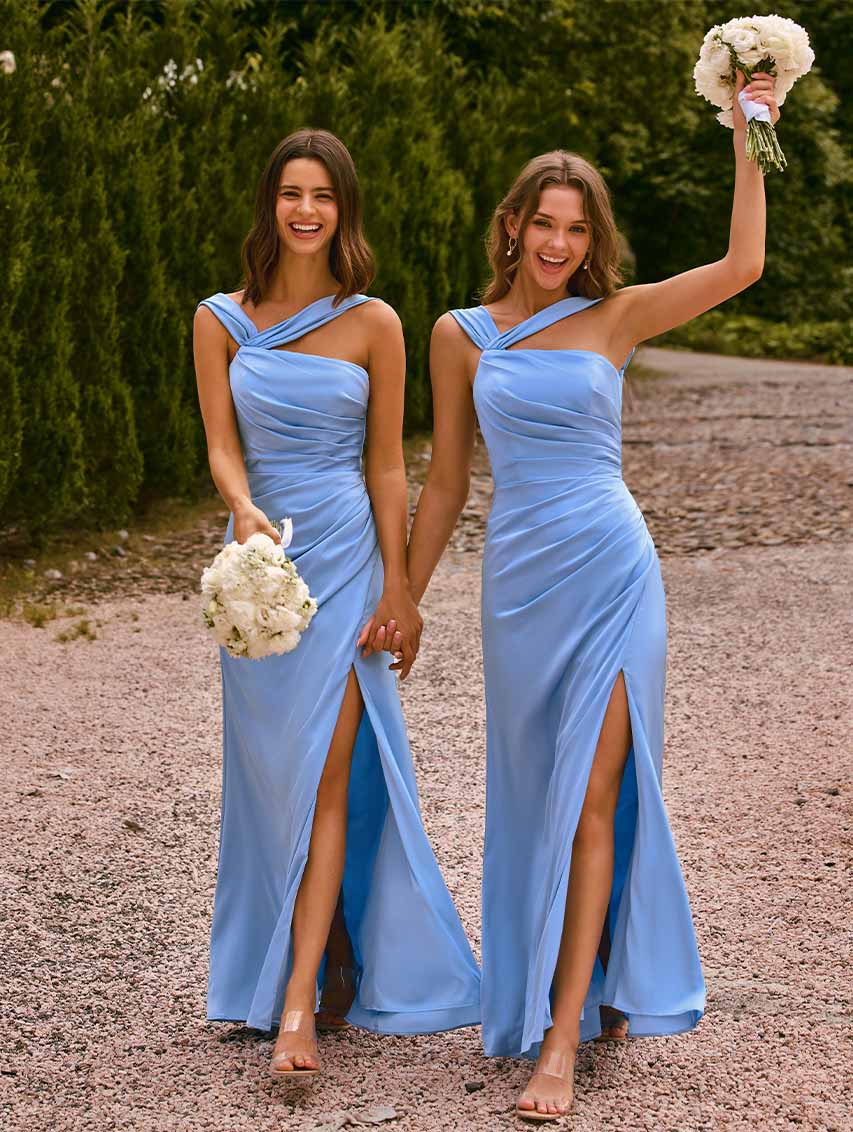
A fitted prom dress can use a few well-placed folds as its main decoration. Ruching across the waist introduces texture, and side draping draws the eye toward one hip. Compare where the folds begin and end rather than choosing by the amount of gathering alone. For a quieter outline, look for a straighter skirt that continues smoothly below the draping. A cowl neckline can repeat the soft folds above, while a sharper neckline introduces contrast. The connection between these elements gives the gown a finished look.
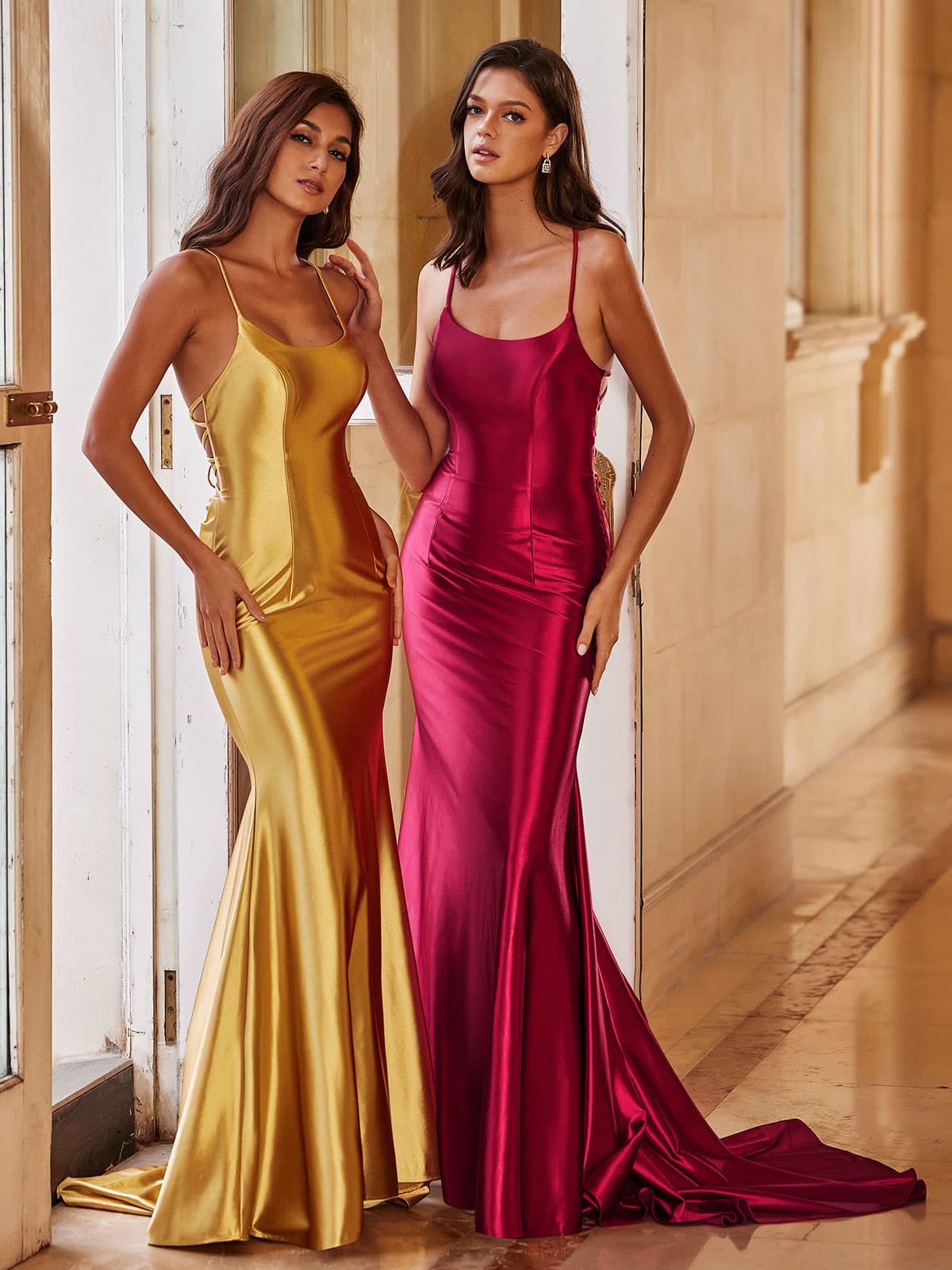
Mermaid Dresses with a Clean Flare
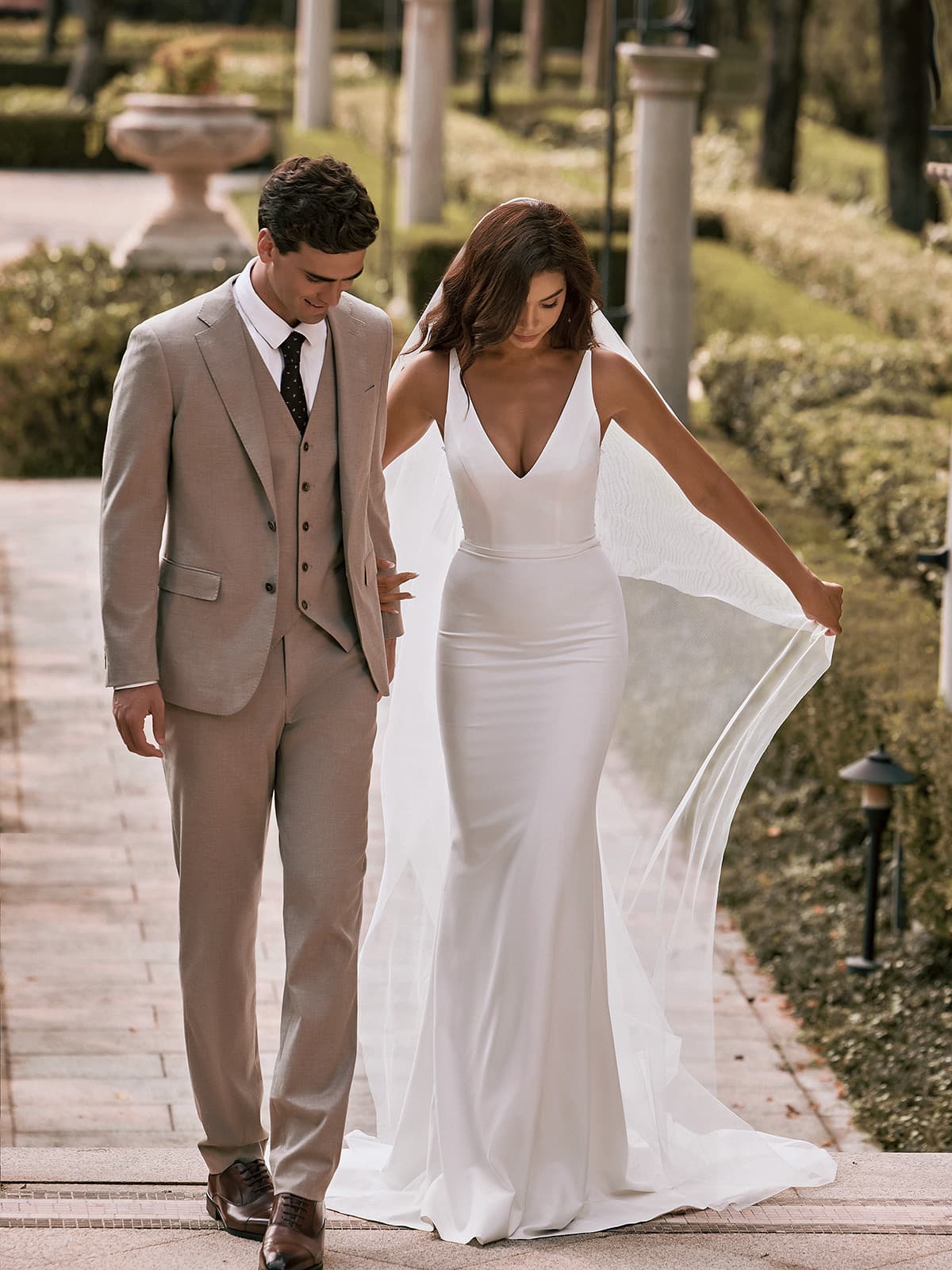
A simple mermaid prom dress makes the change in silhouette its defining feature. The skirt follows the hips before opening lower down, so the position and size of that flare deserve attention. A restrained flare creates a gentler transition, while a wider hem makes the shape more dramatic. Smooth fabric keeps those lines visible. Check the side and rear views to see how any train continues the outline and how the dress falls below the waist.
Let the Neckline Carry the Upper Half
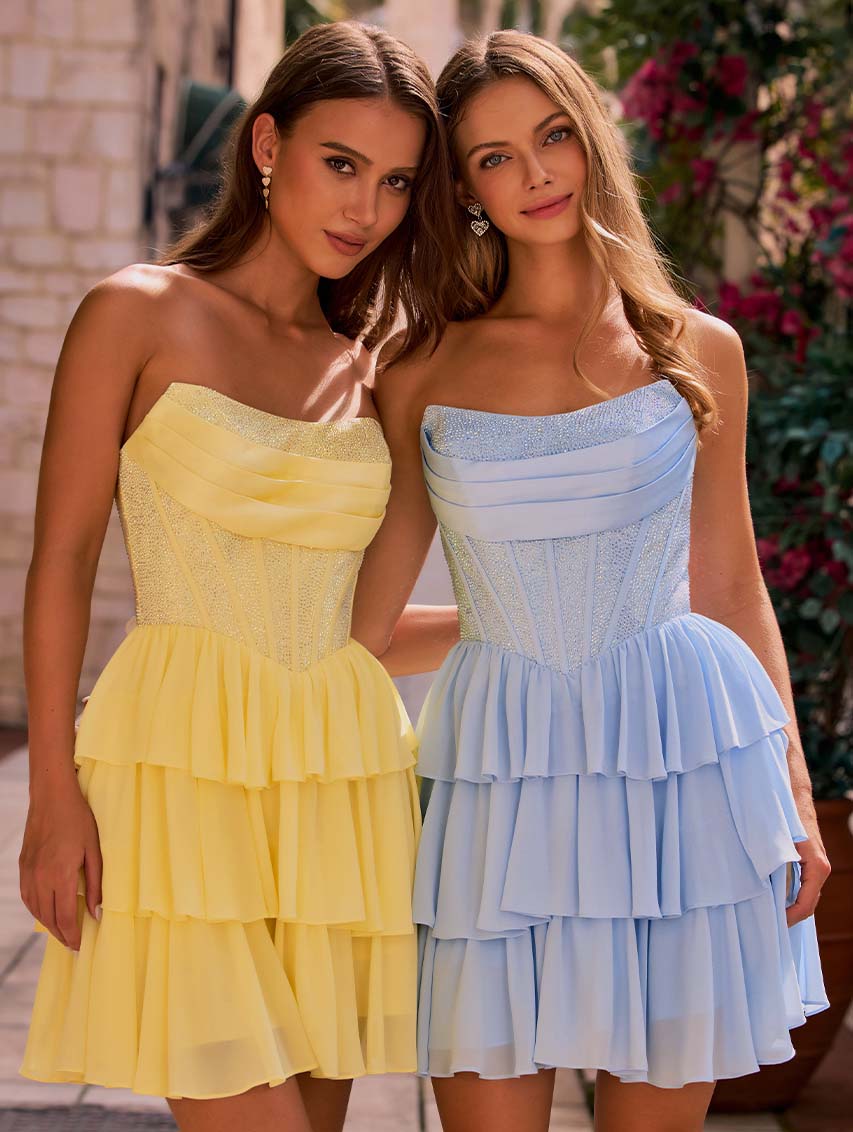
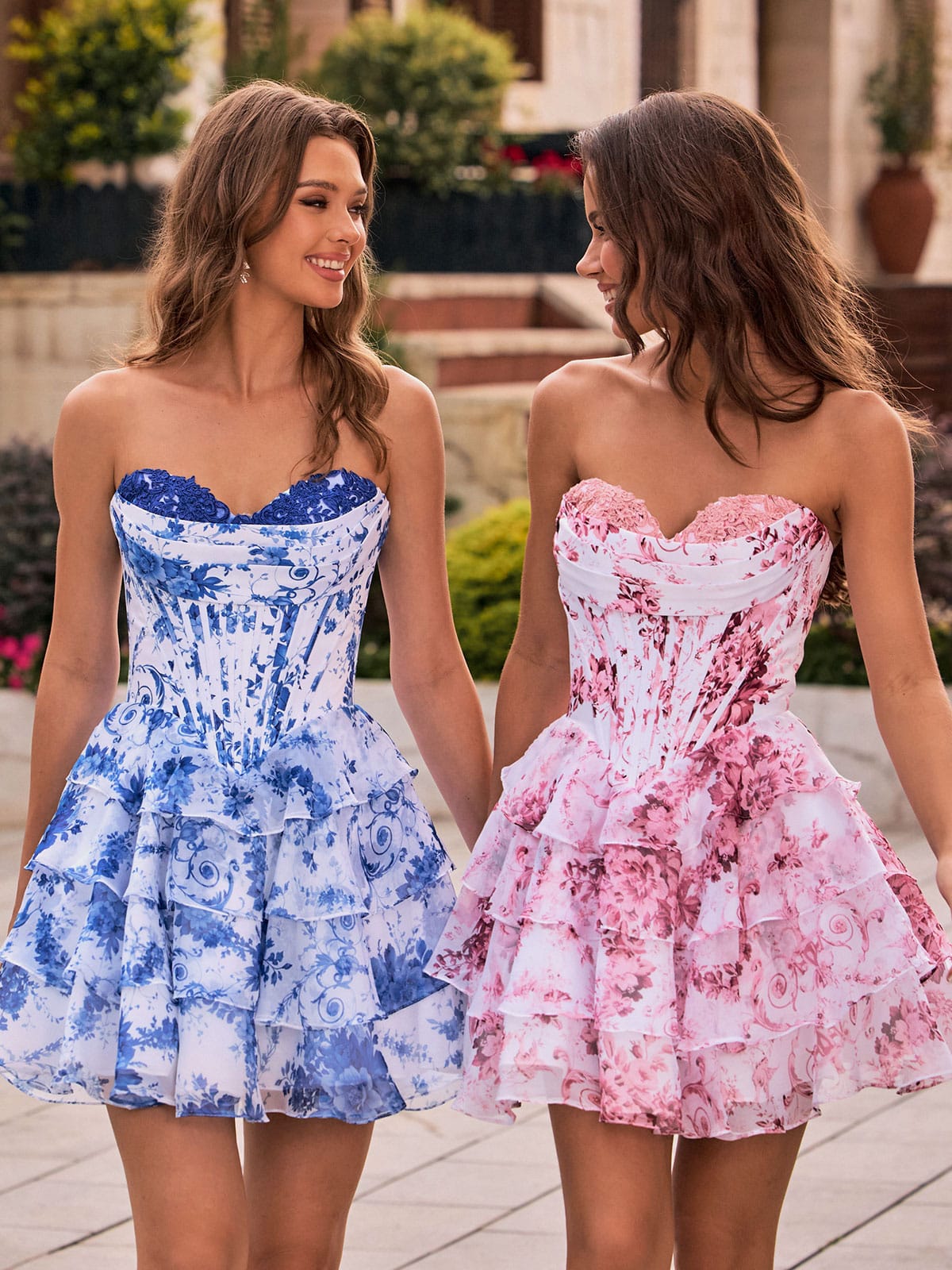
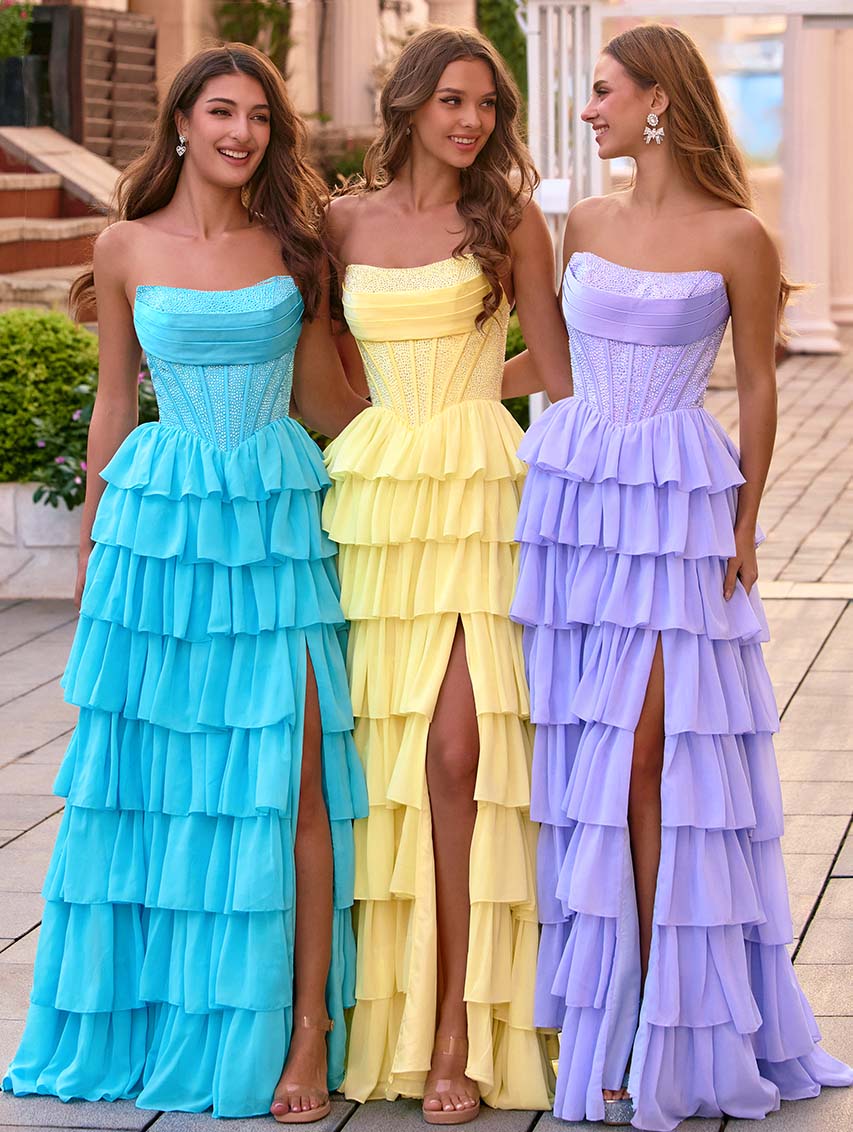
On a simple gown, the neckline often supplies the detail that appears in every portrait. A straight strapless edge creates a distinct horizontal line, a sweetheart neckline adds curves, and a V-neck directs attention toward the center of the bodice. A one-shoulder design can make an otherwise understated dress feel complete. Its diagonal line gives you a focal point before adding jewelry. A cowl neckline takes a softer approach, using the fabric itself to create interest across the front. Consider how the bodice meets the waist. Visible corset seams can provide enough pattern for a simple prom look, especially above a smooth skirt. Draping over the bodice softens that structure. Review each dress's construction, since corset styling alone does not establish the support it provides. Include the back in your decision. Crossed straps, an open back or a neat lace-up closure can give the gown a second point of interest. Compare the front and back together so the overall design feels as restrained or expressive as you want.
Choose Fabric for the Way It Falls
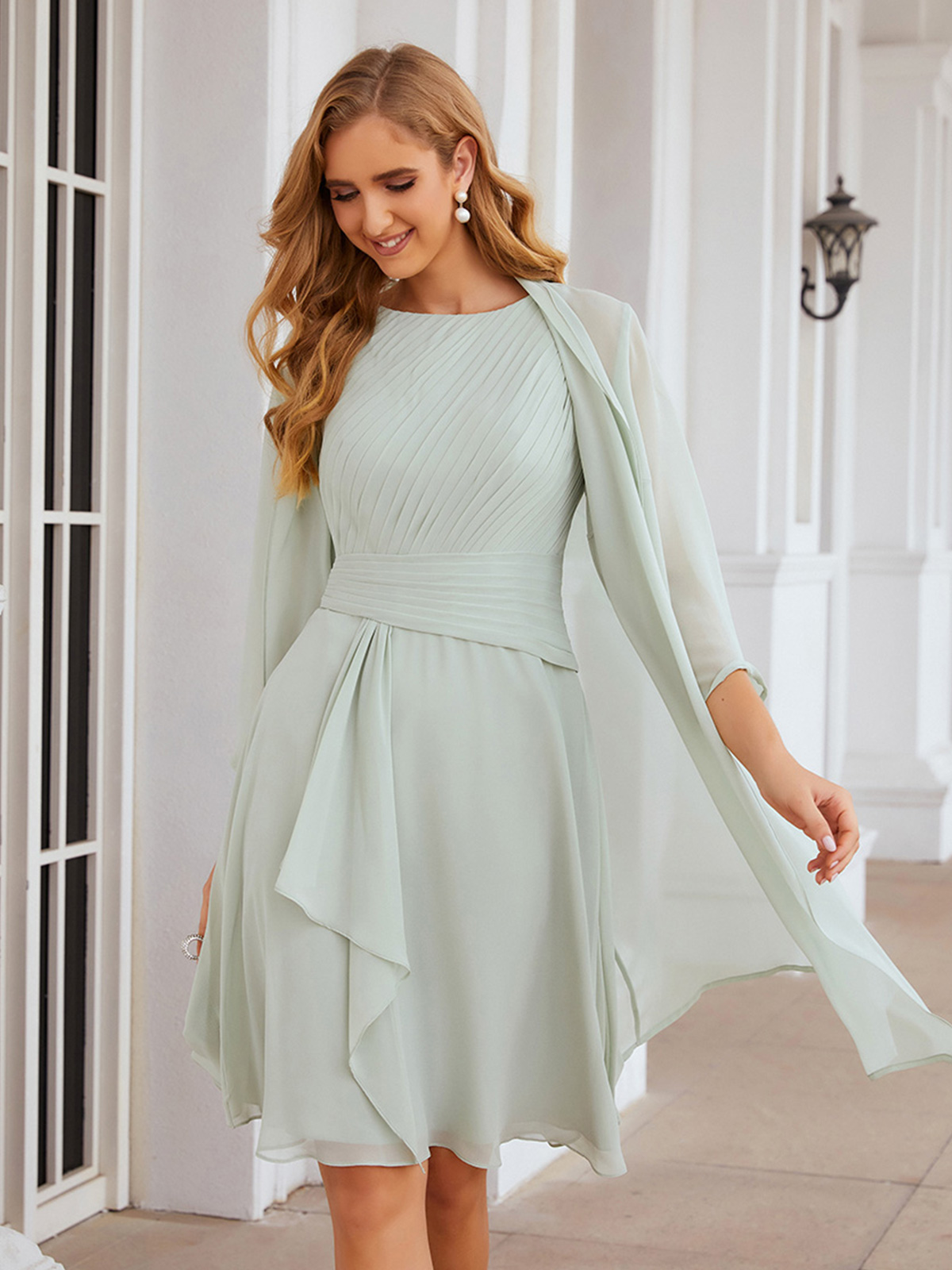
Fabric has a larger visual role when the gown has little surface decoration. Look at how it holds a pleat, gathers at the waist and reflects light across the skirt.
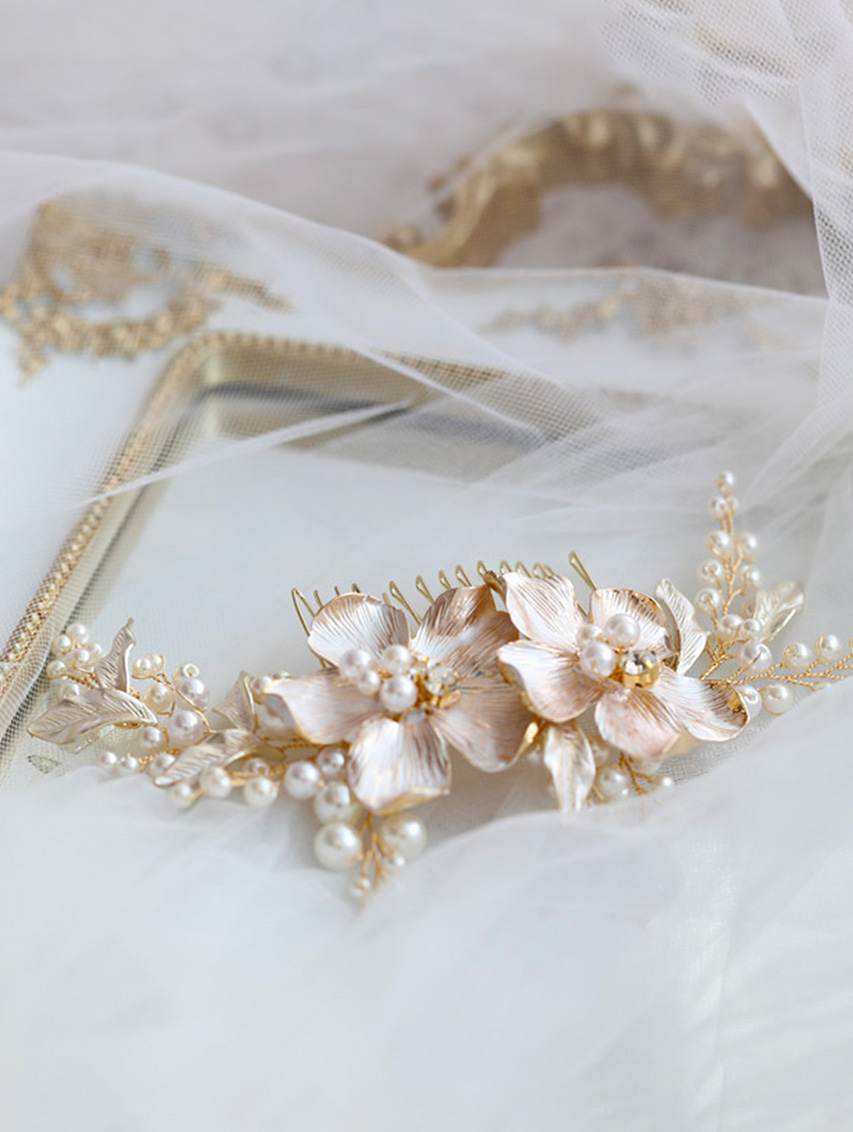
Compare lustrous and less reflective finishes in the color you prefer. A bright shade across a plain skirt can become the statement on its own. Deeper colors emphasize the outline differently, while softer shades make subtle folds and shadows easier to appreciate. Simple does not have to mean completely undecorated. A small pearl accent, a bow or a restrained textured detail can work when it belongs to the shape of the gown. Decide whether it adds something you want to see or whether the cut already feels complete.
Give the Dress One Memorable Prom Detail
Choose a detail that changes how the gown looks or moves. It might be a sculpted neckline, an asymmetric shoulder, a slit framed by draping or a sweep train. Giving one feature prominence helps the dress retain a clear identity. A slit becomes part of the skirt's movement and brings the shoes into view. Look at how it connects to a seam or gathered area and where it opens when seated. A train extends the silhouette behind you and can add ceremony to a gown with very little embellishment. For a fuller skirt, a defined waist or a single bow may supply the detail you want. For a fitted gown, the direction of ruching can do the same work. You can also let a strong color lead and keep the remaining features relatively quiet.
Make the Fit Work from Dinner to Dancing
In a simple prom dress, the fall of the fabric is easy to see. During a try-on, distinguish intentional draping from areas that pull or bunch because the fit needs adjustment. Check the neckline, waist and hips together rather than correcting one area in isolation. Sit down, reach forward and take full steps. A plain dress is not automatically easier to move in; a closely fitted skirt or rigid bodice can still limit movement. Choose according to how the individual gown feels through the activities you expect at prom. Wear your planned shoes when checking the hem. A clean floor-length skirt looks best when its length lets it fall as intended and allows you to walk naturally. If you expect to change into lower shoes, account for that difference before finalizing alterations. Follow the garment's care instructions when preparing it for the evening. Creases can be noticeable across smooth, undecorated fabric, so allow time for appropriate pressing or steaming. Check the finished outfit once more before the event, including how the fabric sits when you are seated.
Style a Simple Prom Dress with Intention
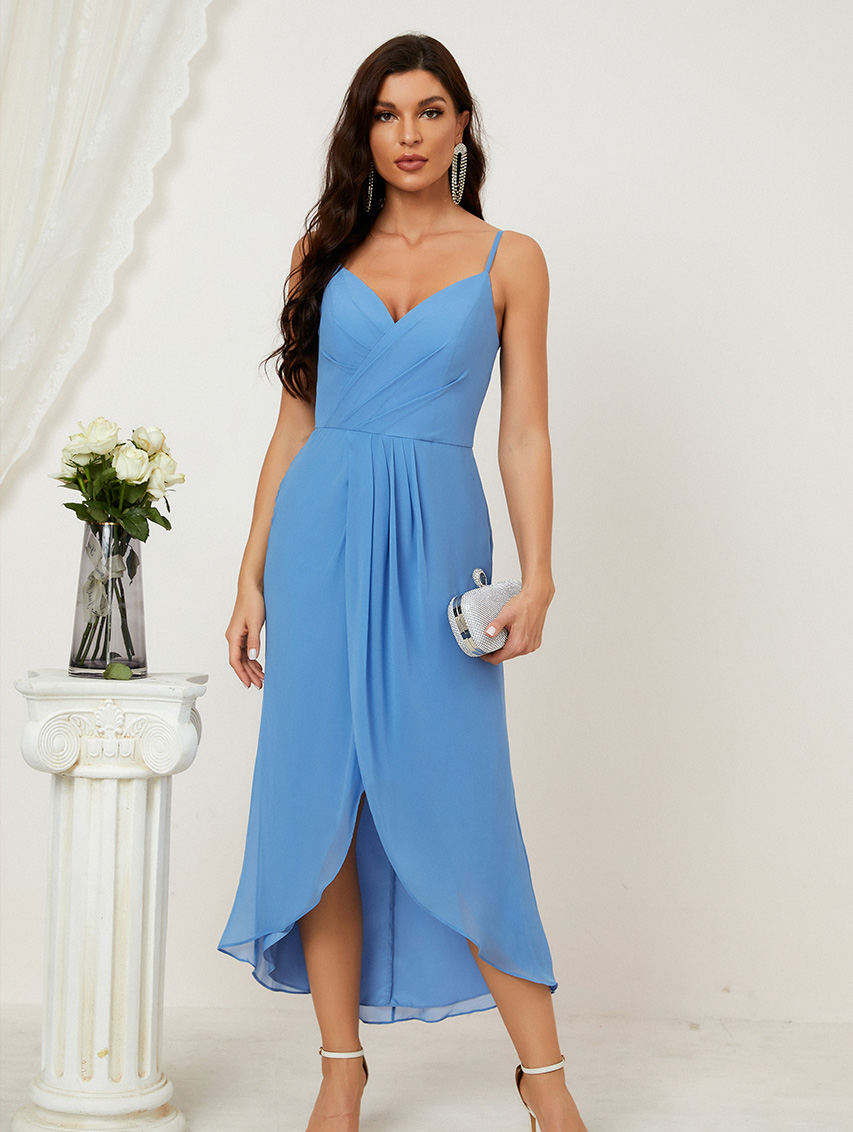
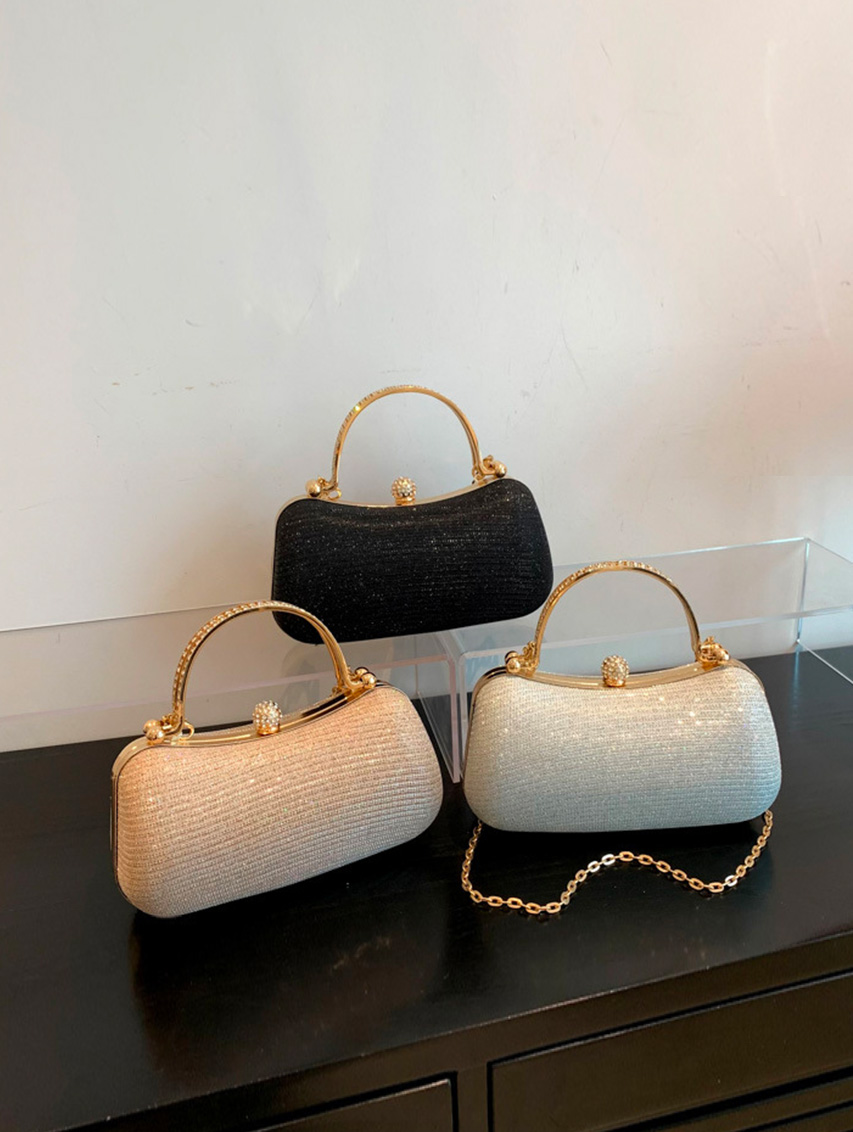
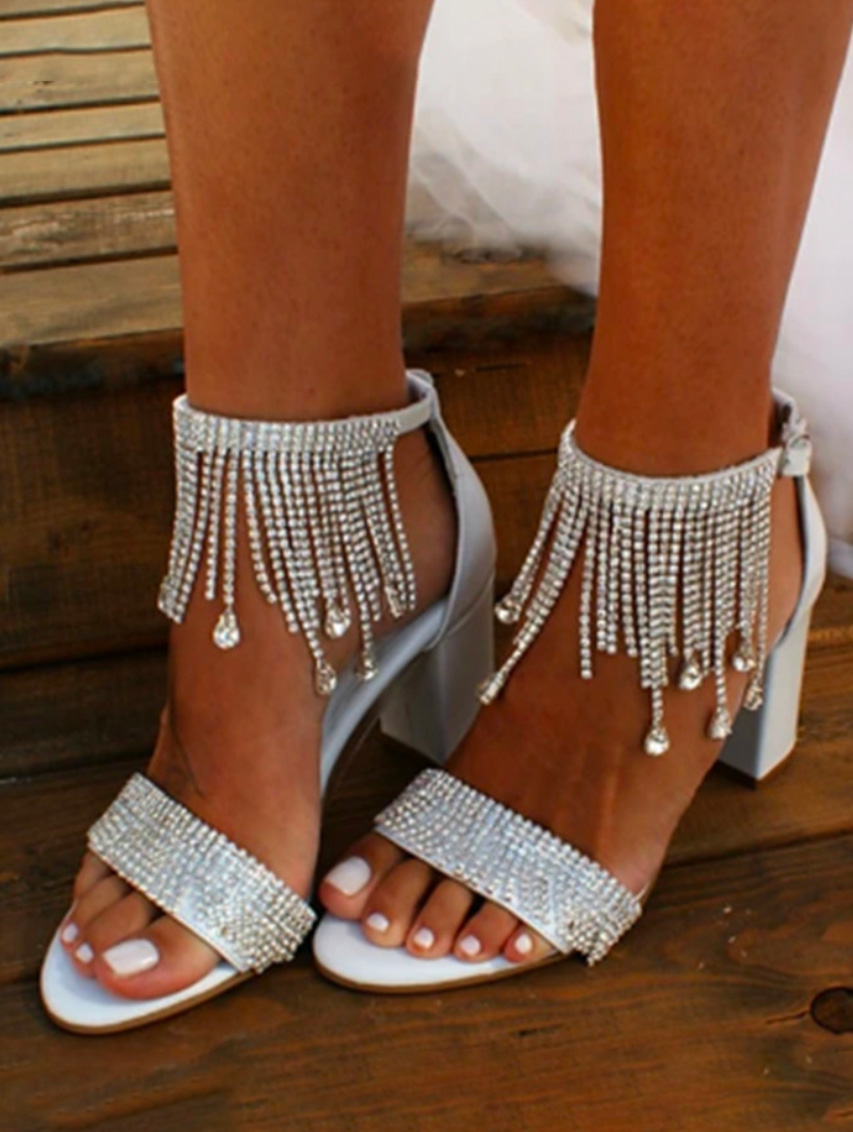
You can keep the complete outfit understated or let one accessory add contrast. Try the dress on first, then decide what it needs. A strong neckline or rich fabric may already provide enough detail near the face. With a one-shoulder or cowl neckline, earrings can finish the upper half without adding another line across it. An open, plain neckline leaves room for a pendant or statement necklace. Choose the scale by looking at the whole outfit rather than the accessory alone. Metallic shoes or a decorative clutch can introduce sparkle to a plain gown. If you prefer a quieter finish, repeat the dress color or choose accessories close to your skin tone. You do not need every accessory to stand out for the outfit to feel dressed for prom. A sleek updo reveals a shaped neckline or open back, while loose hair can soften a structured bodice. For a coordinated date's look, repeat the gown's color in one accessory and let the rest of the outfit stay simple.
Explore the complete prom dresses collection to compare more designs, or browse satin prom dresses if fabric sheen and draping are central to your look.
Simple Prom Dresses FAQs
What makes a prom dress simple?
A simple prom dress usually relies on its silhouette, fabric and a limited number of design details. It may still include ruching, a corset bodice, a slit or a small embellishment. The overall look depends on how those elements work together.
Can a simple dress feel formal enough for prom?
Yes. A defined silhouette, a considered neckline and fabric that falls beautifully can create a formal look. A long skirt, subtle train or evening accessories can add to the effect without requiring extensive beading or sequins.
Which silhouette should I choose for a simple prom dress?
An A-line emphasizes the relationship between a fitted bodice and a flowing skirt. A fitted gown puts more attention on draping and the waist, while a mermaid uses its lower flare as a defining feature. Choose the outline you enjoy and check how it moves.
What fabric works well for a minimalist prom gown?
Satin makes folds and draping visible through its sheen, taffeta can create a crisper shape, and chiffon brings softer movement. Compare the fabric with the cut: a material suited to broad pleats may create a different effect in a closely fitted gown.
Can a simple prom dress have a corset or a slit?
Yes. Corset seams can provide structure and visual detail, while a slit changes the skirt's movement. Either can be the main feature of a simple gown when the remaining design keeps the overall lines clear.
How do I choose a color for a simple prom dress?
Think about how prominent you want the color to be. A bright shade can carry a relatively plain design, while deeper or softer tones create different moods. Compare the actual fabric when possible, since sheen and texture affect the appearance.
How can I accessorize a simple prom dress without overwhelming it?
Start with one accessory you want to notice, such as earrings, a necklace or a metallic clutch. Let the neckline guide the jewelry, then assess the complete outfit before adding more. A defined neckline may need very little around it.
What should I check when trying on a simple prom dress?