Find the Right Relationship between Bodice and Skirt
A cutout interrupts the surface of a dress, making the remaining lines more noticeable. Look at the full-length view to see whether the opening emphasizes the waist, creates a central detail or introduces an asymmetric shape. Then consider how the skirt continues that design.
Fitted Cut Out Prom Dresses with Ruching
A fitted gown keeps the opening close to the lines of the torso. Ruching can lead toward a cutout, making it feel connected to the folds rather than placed separately on the dress. A smoother skirt allows that upper detail to remain prominent. Compare the position of the opening with the start of the skirt's draping. A cutout above gathered fabric creates a different proportion from one beside a straight waist seam. Side views are especially useful for understanding how far an opening extends around the body.
A-Line Dresses with a Defined Upper Half
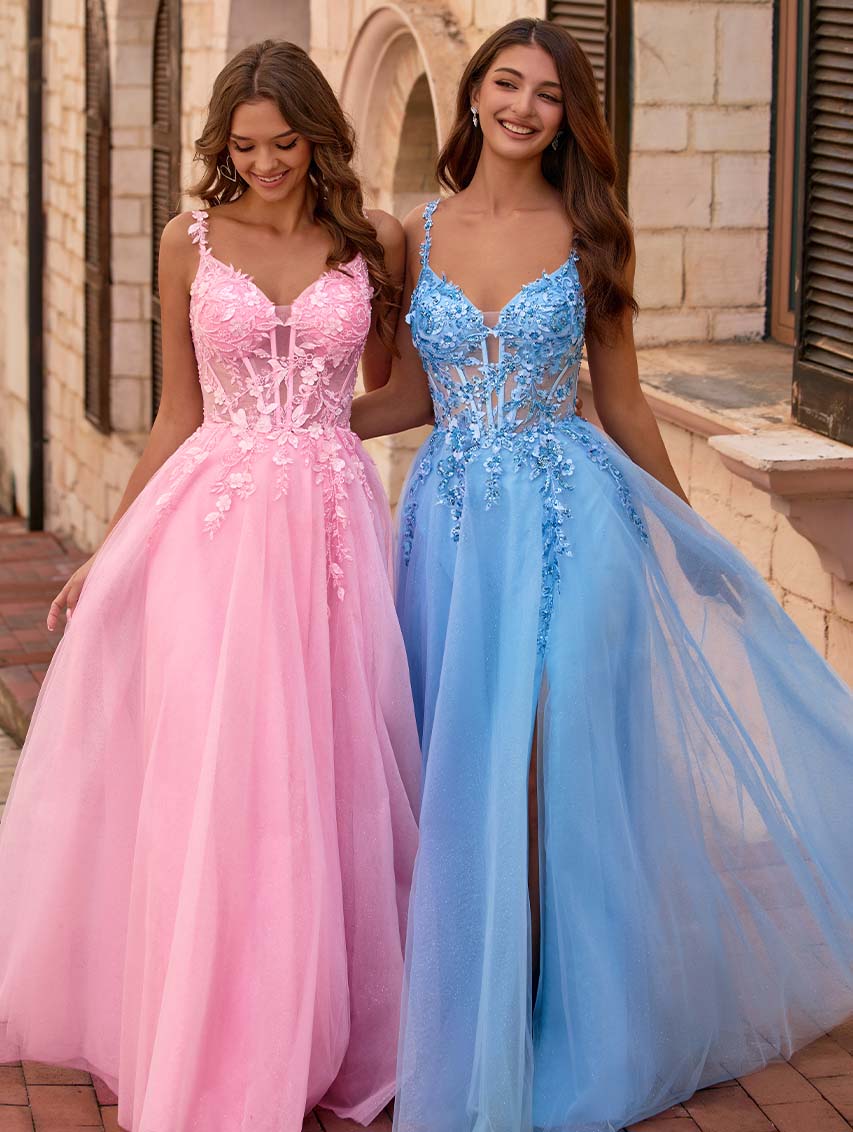
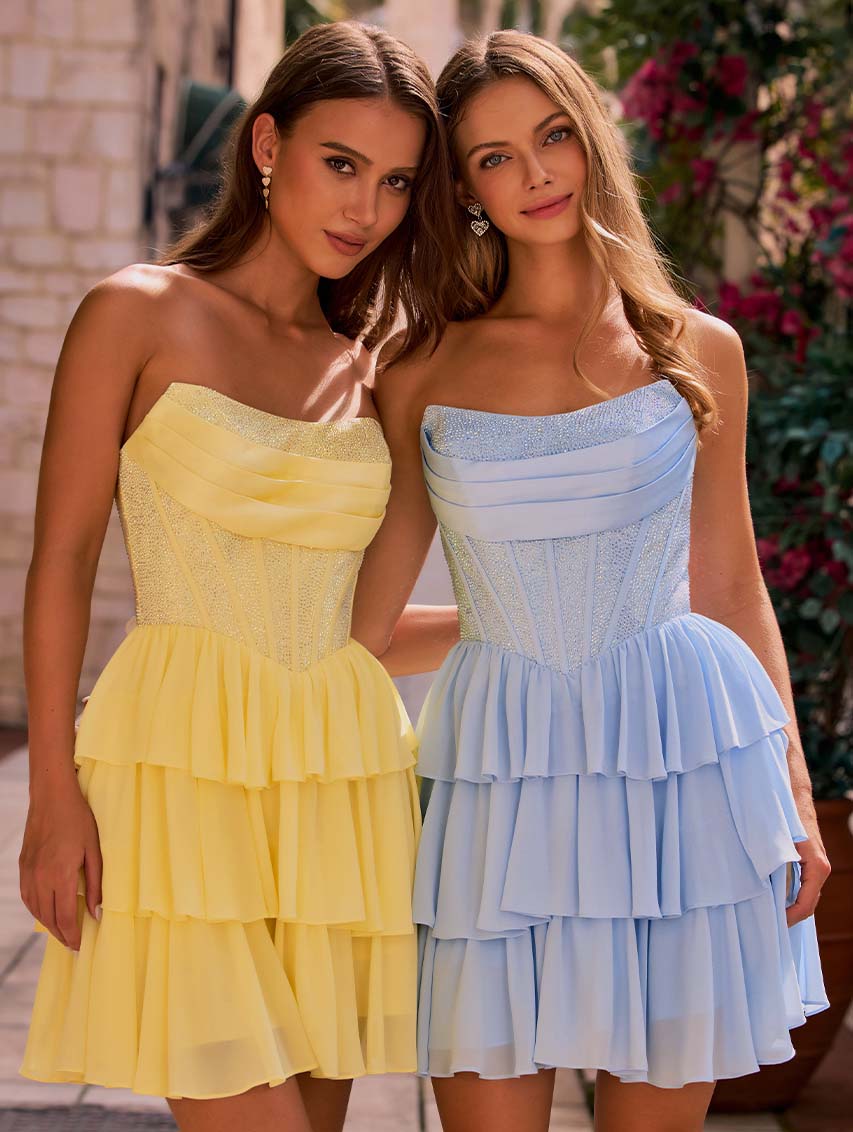
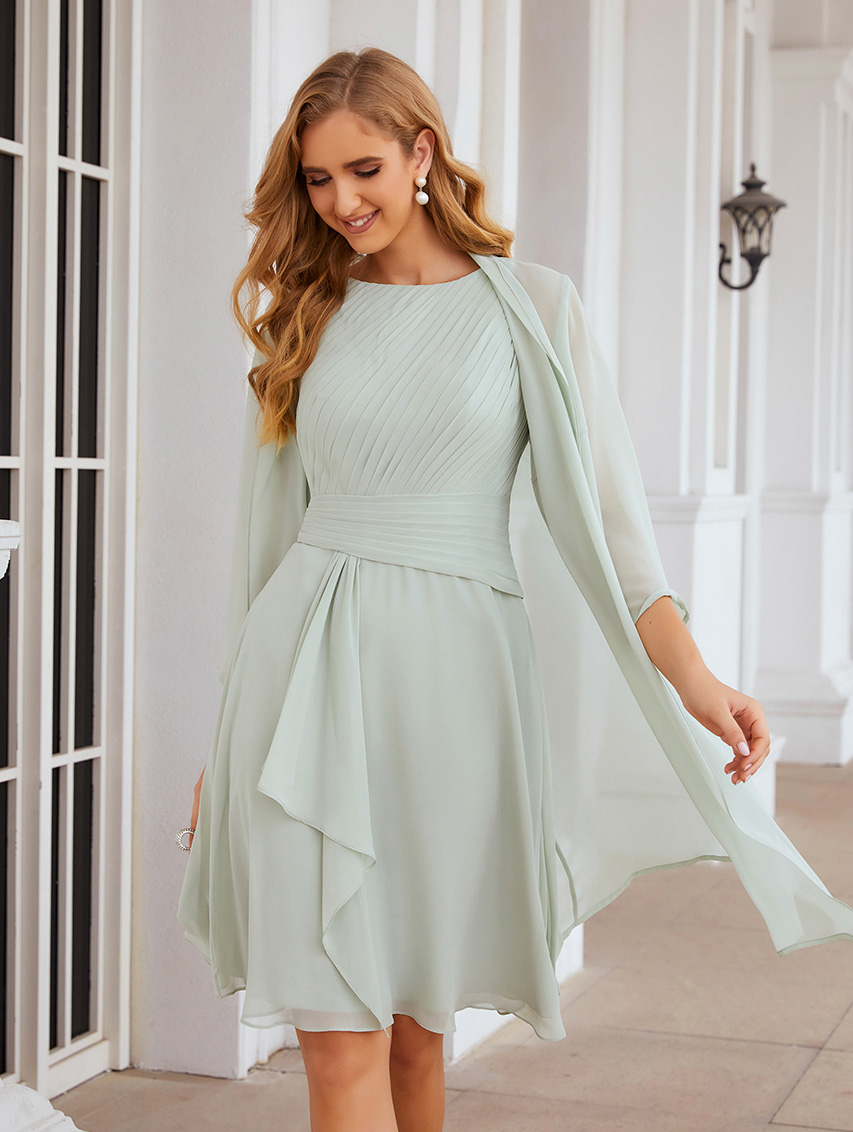
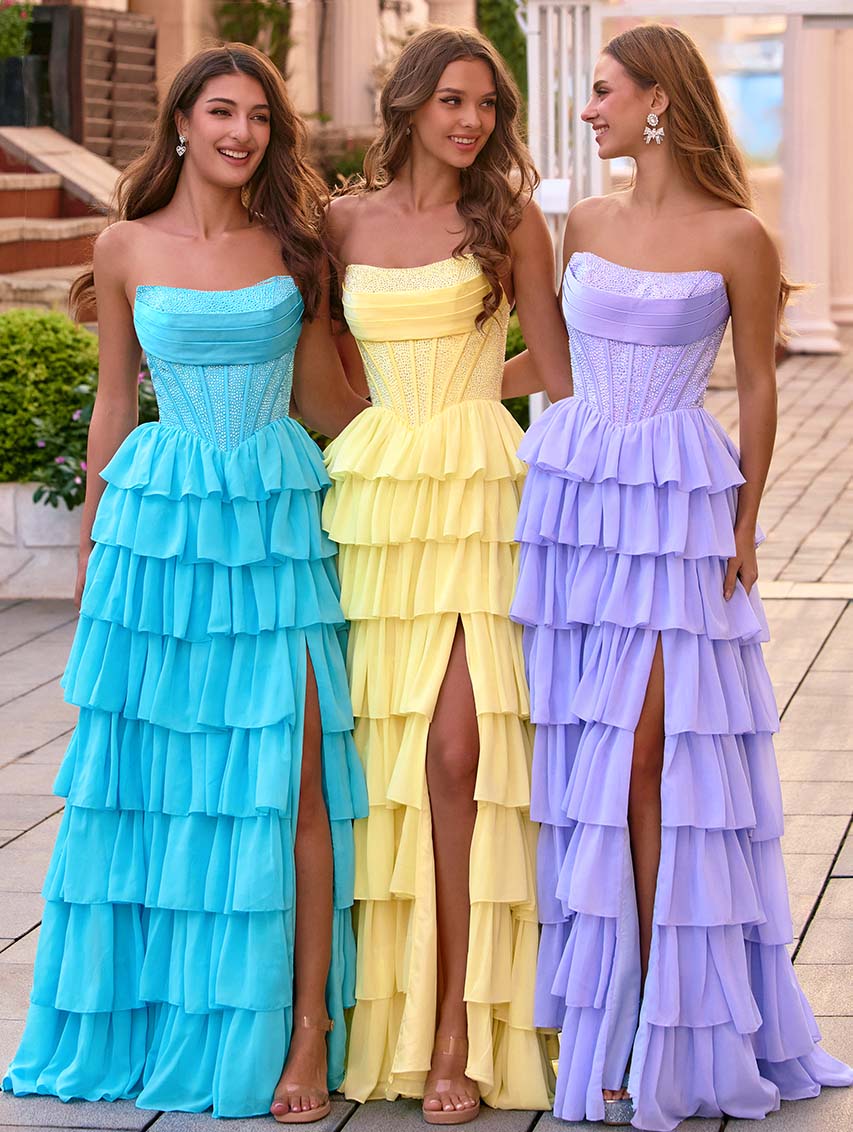
An A-line skirt gives a cutout bodice a wider shape beneath it. A compact keyhole above broad pleats keeps the detail near the center, while waist openings create a more noticeable division between the fitted top and flowing skirt. For a romantic prom look, consider a ruched cutout bodice above chiffon tiers. For a more sculpted effect, look at pleated satin or metallic fabric. The same opening can feel softer beside ruffles and more geometric beside crisp folds.
Mermaid Gowns with Cutout Details
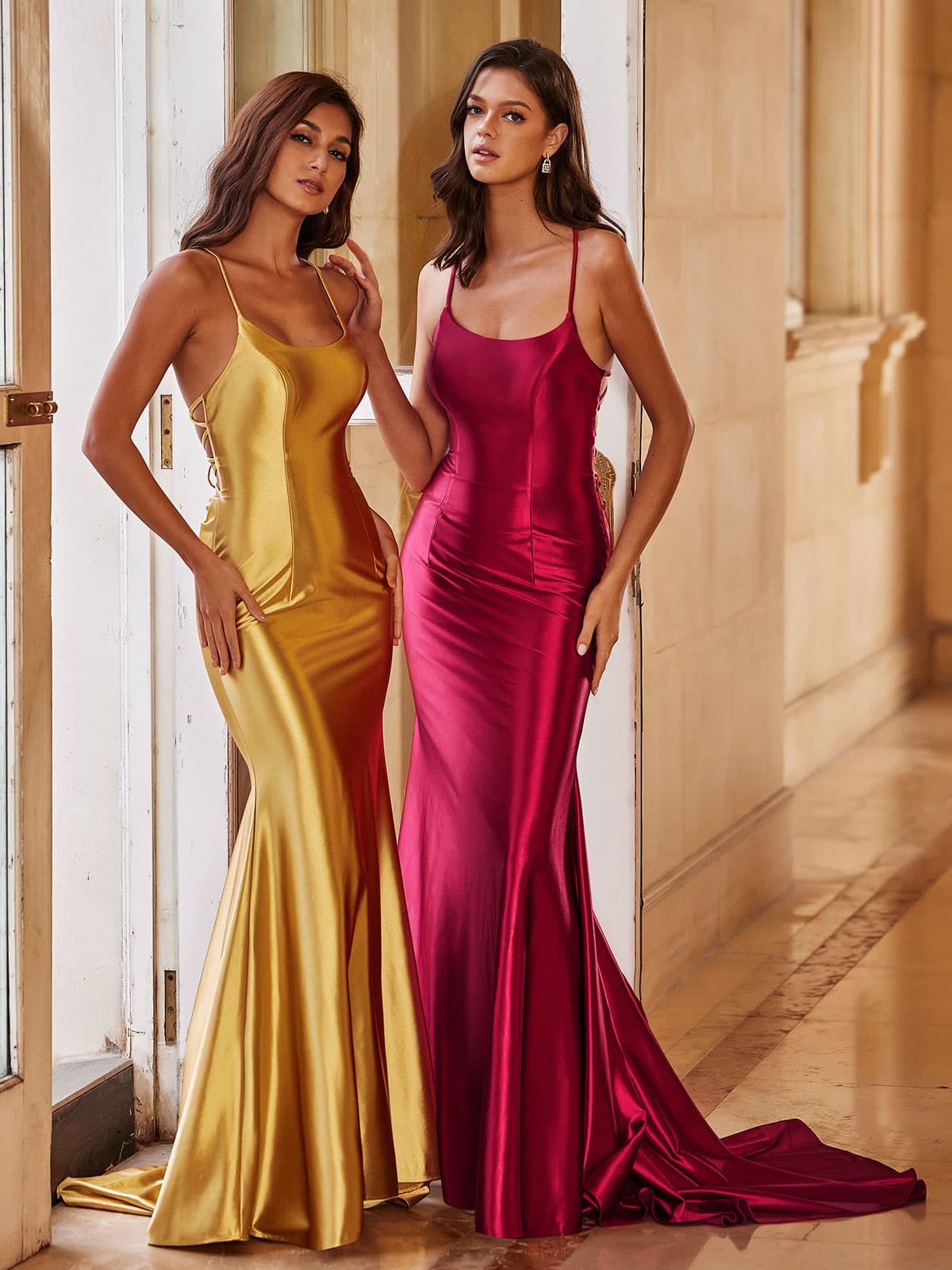
A mermaid silhouette combines a closely fitted upper skirt with a lower flare. A small bodice opening can add interest without interrupting that long outline, while a more pronounced waist cutout makes the torso a stronger focal point. Consider the dress as a sequence of shapes: neckline, opening, fitted skirt and flare. Decide where you want the main emphasis. If the hem is elaborate, a simpler cutout may give the design enough detail above the waist.
Choose the Position and Shape of the Cutout
The location of an opening matters more than its size alone. A narrow keyhole at the center of the bodice can be immediately noticeable in portraits, while side openings may become more visible as you turn.
Keyholes for a Central Detail
A keyhole is a contained opening surrounded by fabric. Rounded shapes can echo a sweetheart neckline, while angular openings repeat the lines of pleats or structured panels. Look at the fabric between the keyhole and neckline to understand how the upper design is connected.
Side and Waist Cutouts
Side cutouts frame the waist by creating space between sections of fabric. Compare symmetrical openings with a single offset detail. A matching pair gives the bodice a balanced arrangement, while an asymmetric cutout can continue the direction of diagonal draping. The opening should sit where you want it on your own torso. Differences in torso length can change its position relative to the ribs and waist, so product photos are a starting point rather than a guarantee of placement.
Cutout Corsets and Shaped Necklines
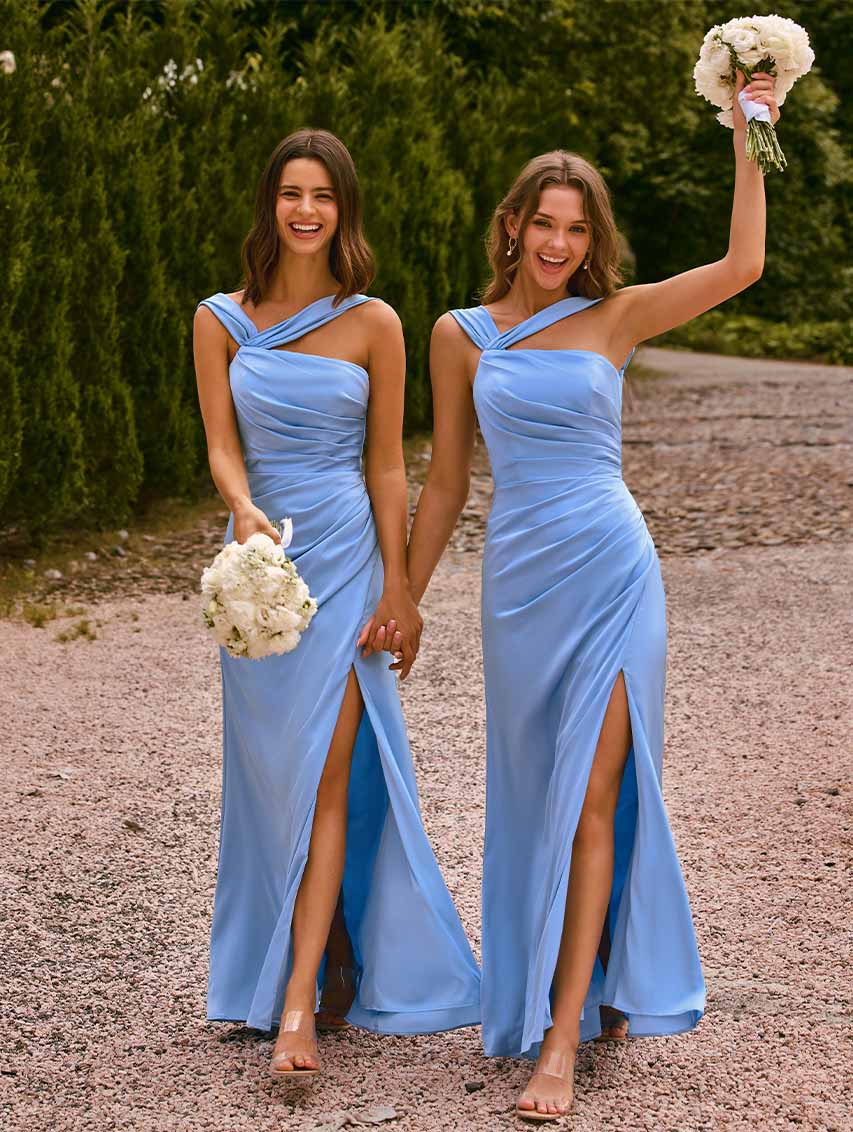
A cut out corset prom dress combines openings with the panel lines of a structured-looking bodice. Check whether the seams frame the cutout or whether draping crosses over them. These two approaches create different amounts of visible structure. Strapless and sweetheart necklines make the top edge part of that composition. Spaghetti straps add vertical lines above it, while a one-shoulder design can carry an asymmetric idea through the entire bodice. Review the closure, lining and construction to understand how the particular dress is supported.
Build the Prom Details around the Opening
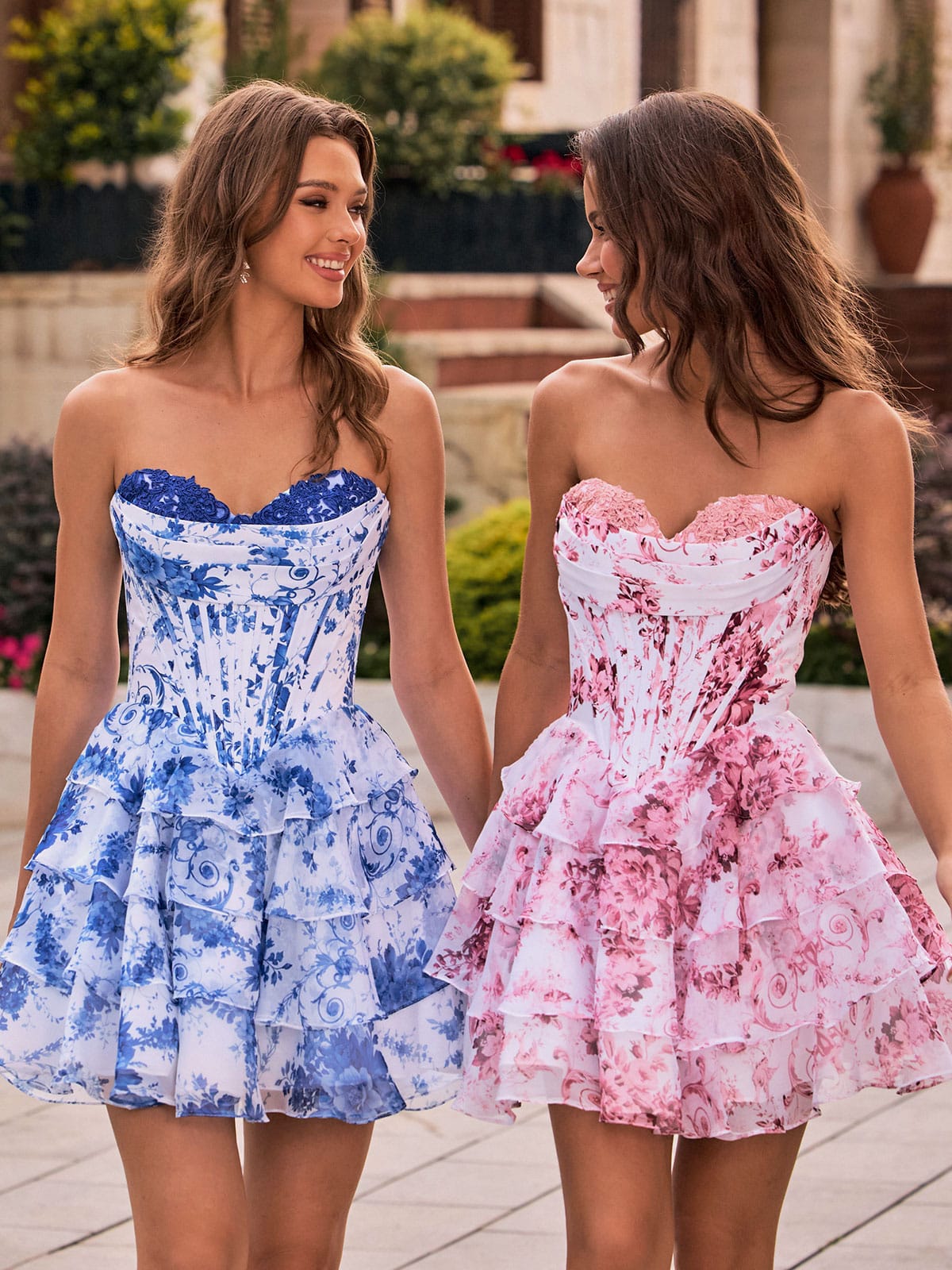
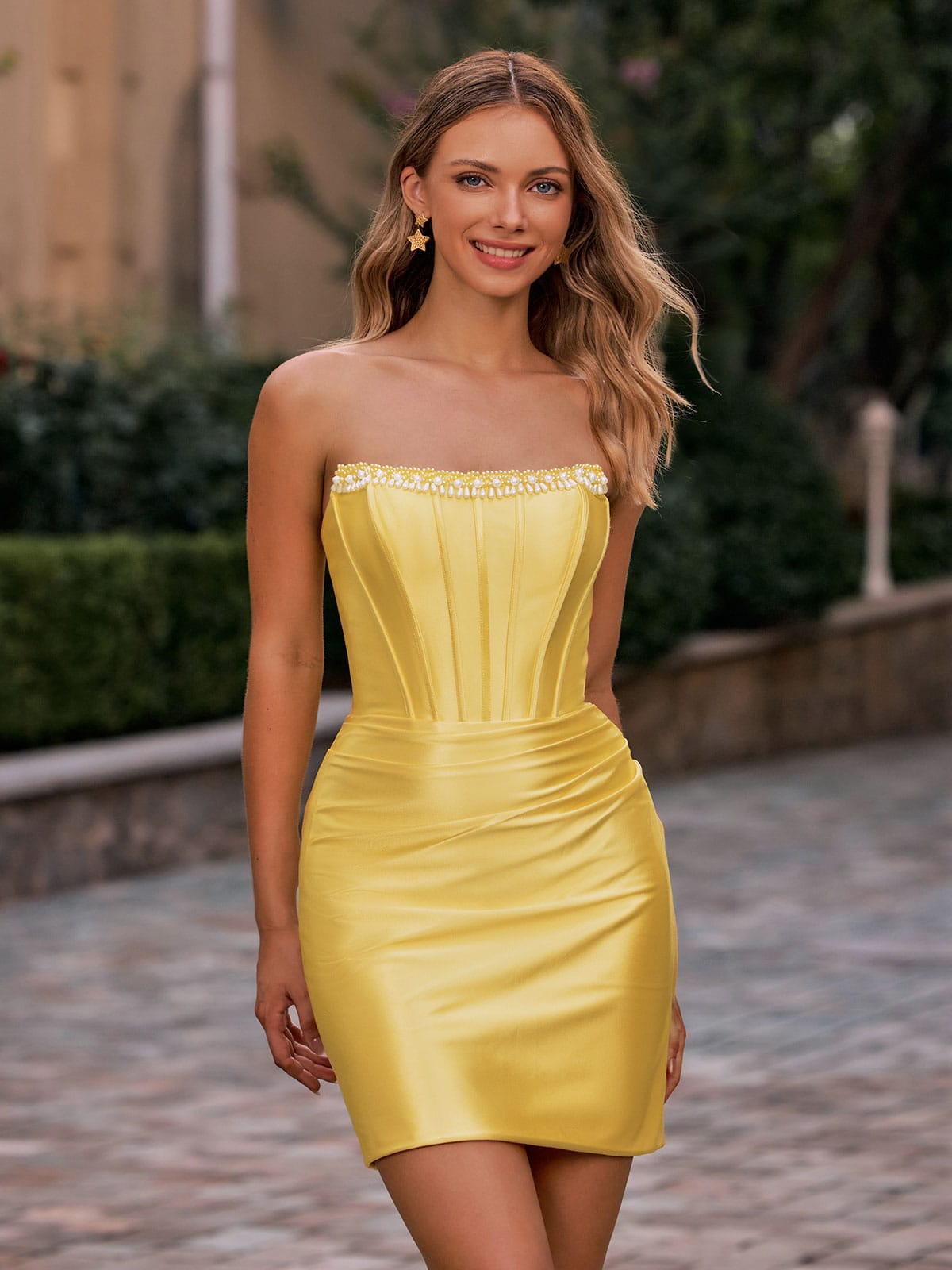
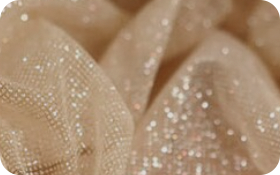
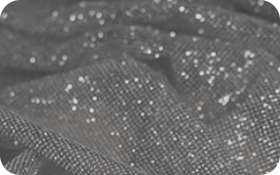
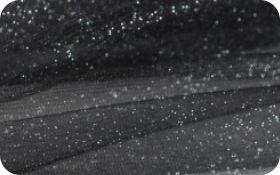
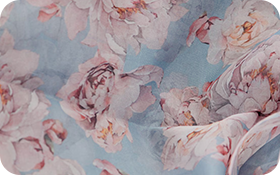
The edges of a cutout are part of the decoration. A clean border makes its shape clear, while embroidery, beading or a bow can draw more attention to it. Decide whether you want the opening to lead the look or sit within a more detailed design. Smooth satin highlights the fabric folds around a cutout. Metallic finishes add reflections across pleats, while floral prints distribute pattern over the whole dress. With a patterned gown, look at how the print meets the opening and whether the shape remains as distinct as you want.
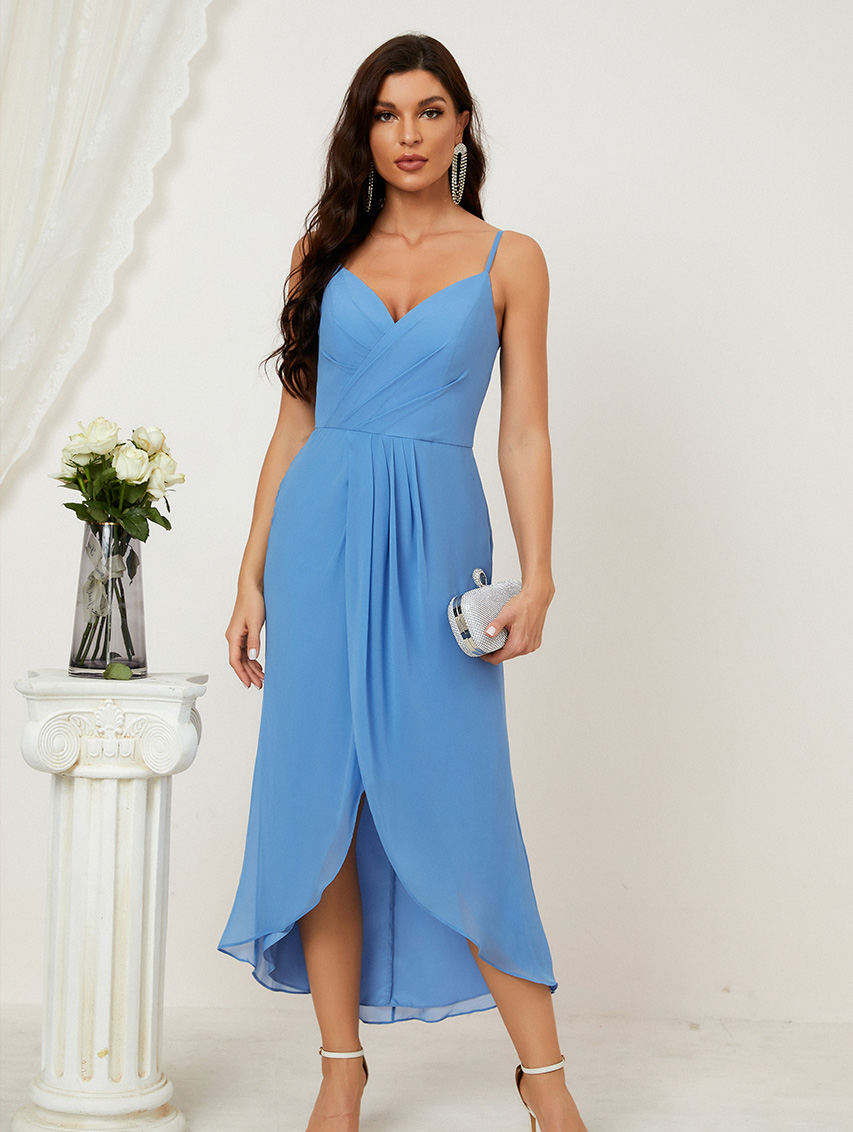
Ruffles introduce another kind of movement. A compact bodice detail above a tiered skirt lets the gown change character below the waist. Lace or appliqués can soften the outline of a cutout, but check close-up images to distinguish an actual opening from a sheer panel. If the skirt also has a slit, consider both features together. Their placement may repeat a diagonal line or create separate points of interest. A small central keyhole with a fluid skirt produces a different balance from broad waist cutouts with a high slit.
Check How the Dress Moves with You
Cutouts make fit around their edges particularly visible. During a try-on, sit down, reach forward and turn to see whether the openings stay in position. The surrounding fabric should sit comfortably without persistent gaping or pulling. Try the gown with any undergarments or support you intend to wear. Check the front and sides while moving, since an edge that remains hidden in a standing pose may become visible when seated. Some designs use illusion mesh across an opening, so confirm the construction rather than judging from a distant photograph. For dinner and dancing, assess the skirt as carefully as the bodice. A fitted style needs room for a natural stride, while an A-line needs a manageable hem. Wear your intended shoes and check how any slit behaves as you walk. Review your school's prom guidelines when choosing the placement and size of the cutouts. If alterations are needed, discuss the openings as well as the usual bust, waist and length adjustments; changing a seam can also change their shape or position.
Keep the Styling Connected to the Dress
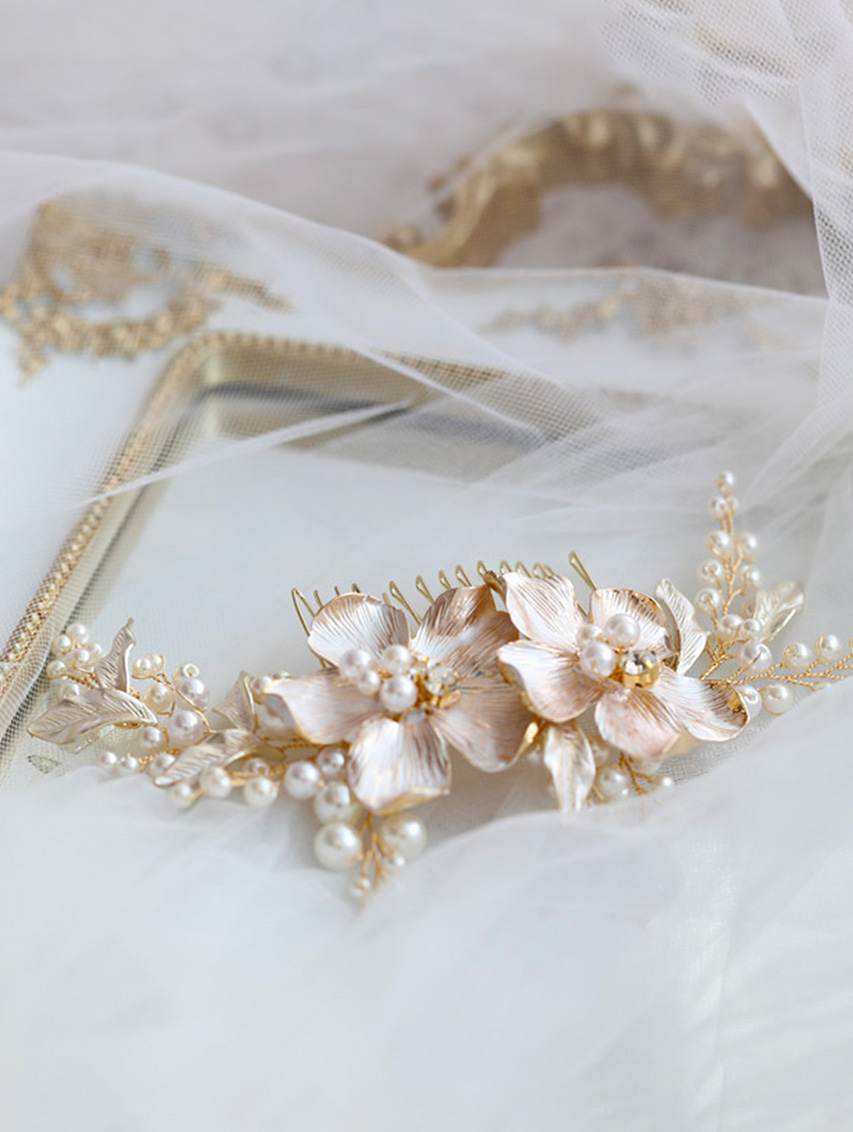
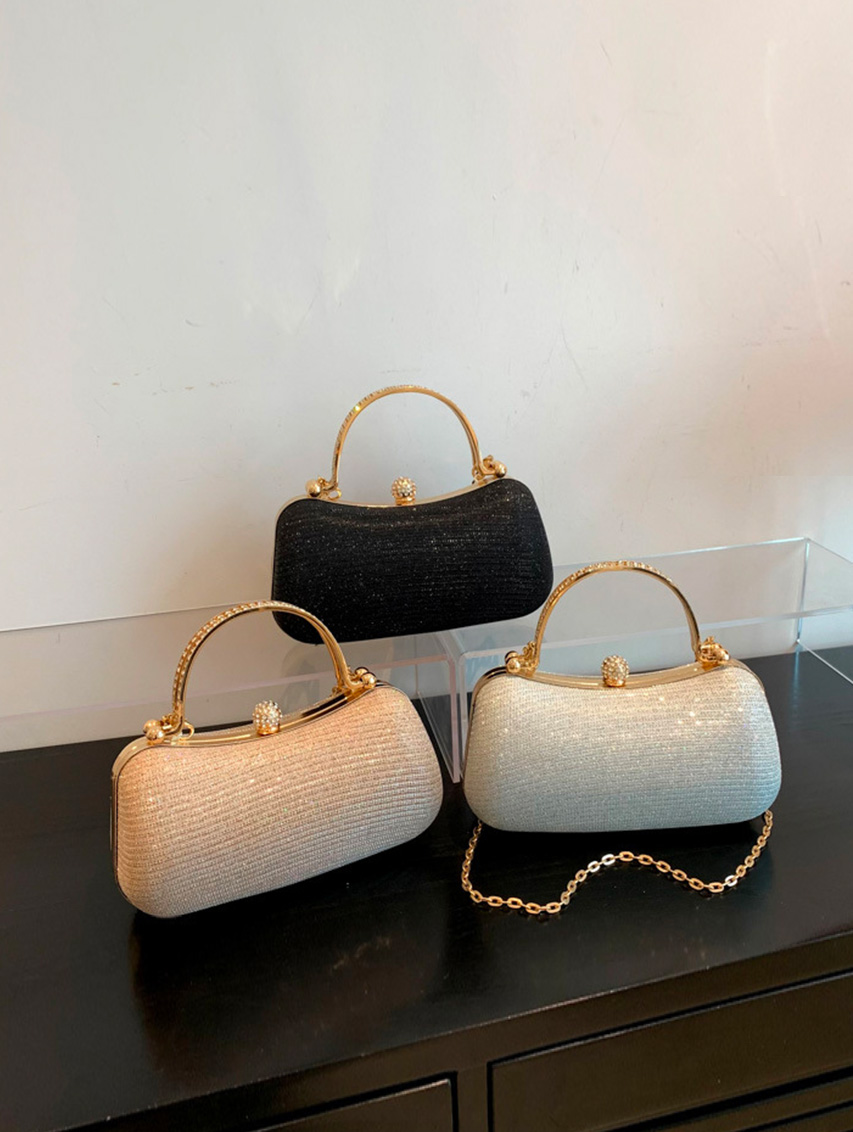
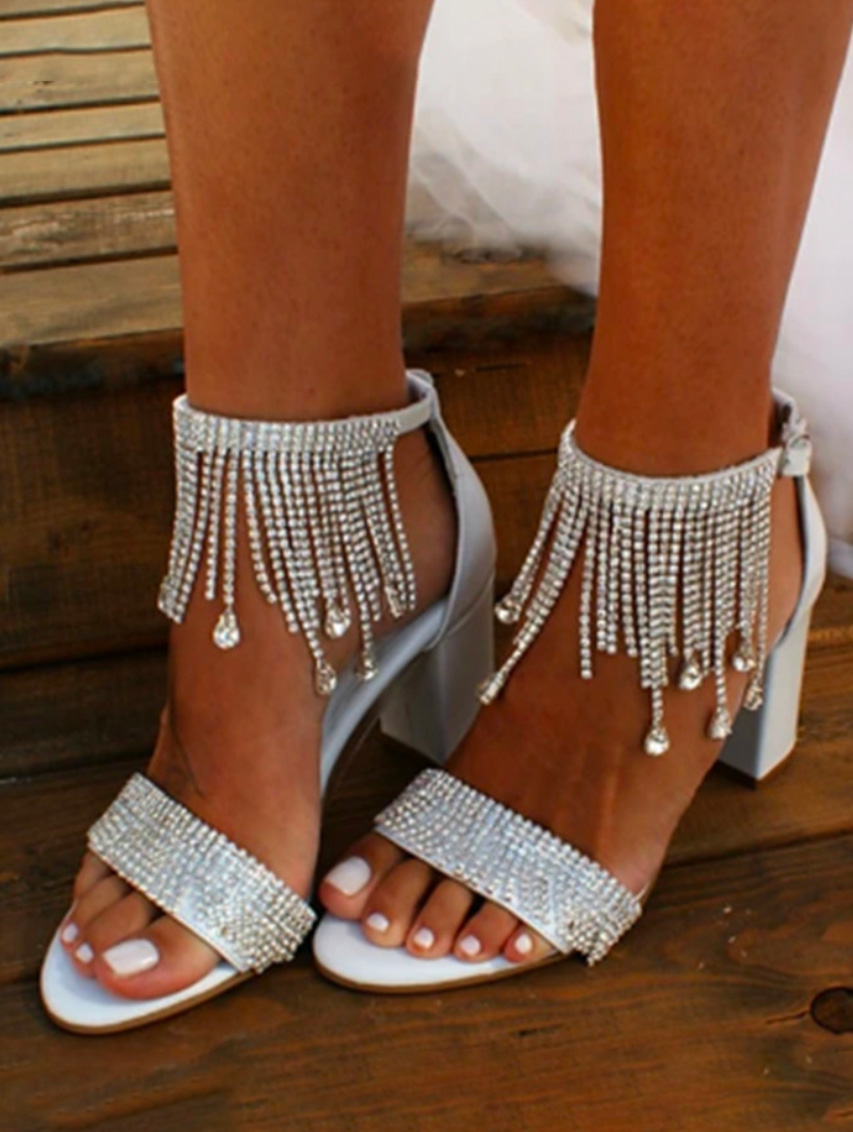
Start with the lines already present in the bodice. A central keyhole may leave less room for a pendant, making earrings a natural place to add jewelry. An asymmetric neckline can work with a bracelet and earrings that leave the shoulder detail visible. Repeat a finish from the gown if you want a coordinated look. Metallic fabric or beaded edges can guide the choice of silver or gold accessories, while a floral dress offers an accent color to pick up in a clutch. A plain satin gown leaves more room for a contrasting accessory. Choose a hairstyle that shows the part of the dress you selected for its detail. An updo reveals shoulder lines, while side-swept hair can complement an asymmetric bodice. Try long hair against any decorated straps or back details before deciding. Finish with shoes suited to the skirt and a clutch that is comfortable to carry. If a slit makes the shoes visible, their shape becomes part of the full-length look. For a date's outfit, repeat the gown's base color or one accent rather than trying to echo every design detail.
Browse all prom dresses to compare more silhouettes, or explore corset prom dresses for other ways to make the bodice a focal point.
Cut Out Prom Dresses FAQs
What is a cut out prom dress?
A cut out prom dress includes intentional openings within the design, often at the bodice, waist, sides or back. They may be small keyholes or larger shaped openings. Some designs include sheer backing, so check the individual construction.
What is the difference between a keyhole and a side cutout?
A keyhole is a contained opening surrounded by fabric, often near the center of the bodice. A side cutout sits toward the side of the torso and can extend around the waist. Their different positions change which part of the gown attracts attention.
Should I choose a fitted or A-line cut out prom dress?
A fitted gown keeps the cutout within a closer outline and often pairs it with ruching or draping. An A-line places the detail above a wider skirt, creating more contrast between the upper and lower halves. Compare the complete proportions rather than the opening alone.
How can I choose a subtle cutout design for prom?
Look for a small keyhole or a limited opening in a position you feel comfortable wearing. Consider its width, depth and visibility from the side. Check whether it is open or backed with mesh, since that also changes the appearance and coverage.
Can a prom dress combine cutouts with ruffles or embellishment?
Yes. A compact cutout can provide a clear detail above a ruffled skirt, while beading or embroidery can frame the opening itself. Decide which feature should attract attention first and compare how the other details support the overall design.
How should a cut out prom dress fit around the openings?
The surrounding fabric should lie comfortably without persistent gaping or pulling. Sit, reach and turn to check whether the openings remain where you want them. Torso length and seam placement affect the fit, so the same style may sit differently on different wearers.
Can I wear a cut out prom dress for dancing?
Yes, if the bodice stays securely in place and the skirt allows comfortable movement. Test the dress with your intended shoes and support garments. Check your school's guidelines before selecting the location and size of the cutouts.
What accessories work with a cut out prom dress?