Choose the Silhouette around the Backline
Start with the full-length rear view. Notice where the opening ends and the skirt begins, then compare that proportion with the front. The same back design can feel very different above a narrow skirt, a mermaid flare or a full A-line.
Fitted Gowns with a Continuous Line
A fitted open back prom dress places the backline directly above the shape of the waist and hips. A curved opening creates a softer transition, while a V-shaped back introduces a more pointed line toward the skirt. Look at any ruching or gathering below the opening. A smooth finish keeps the outline simple, while gathered fabric makes the lower back part of the design. With a straighter skirt, these details can provide enough interest without a large flare or heavily decorated hem.
Mermaid Dresses with Shape from Shoulder to Hem
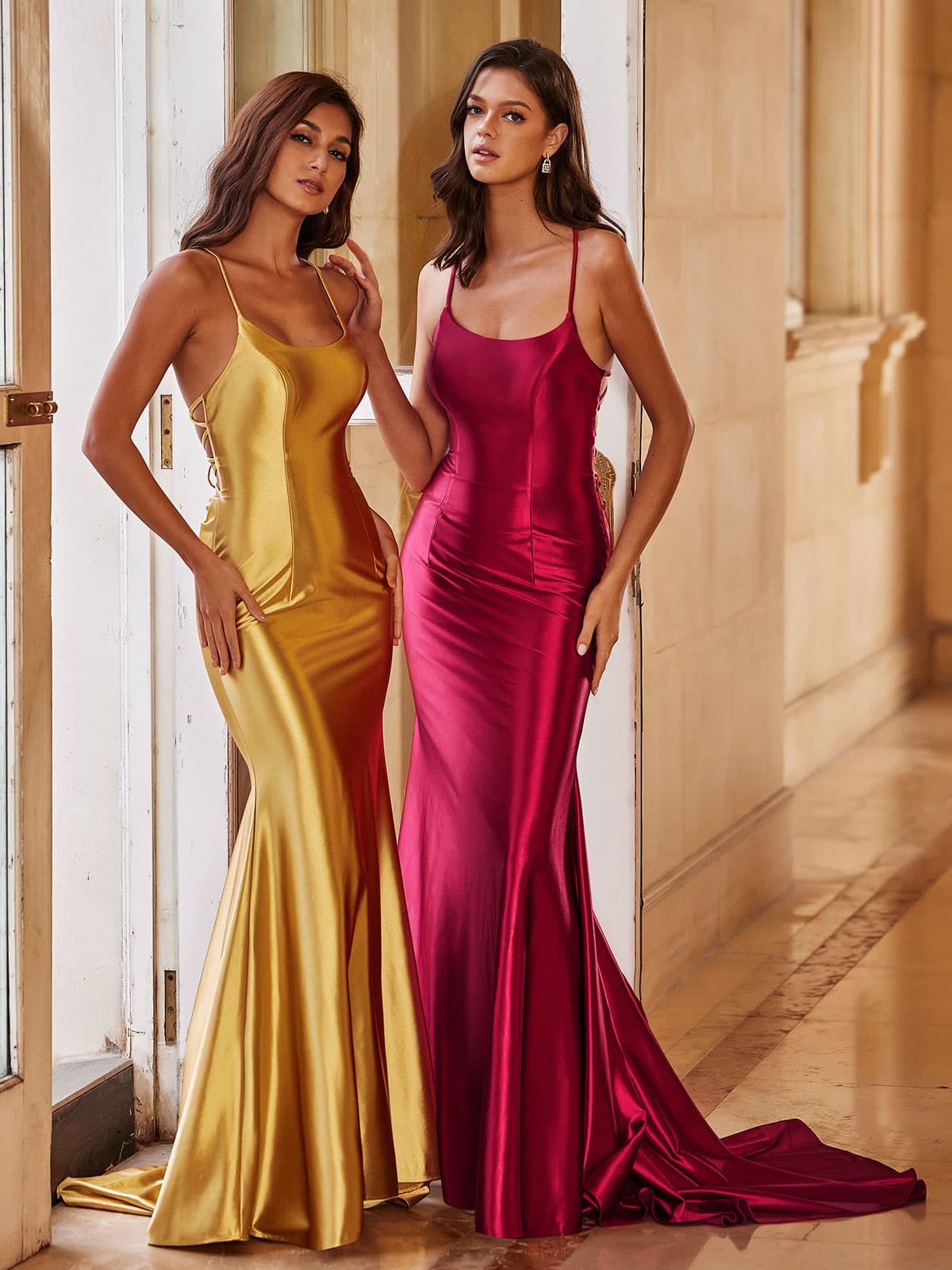
An open back mermaid prom dress combines two distinct features: the exposed or strappy upper back and the flare lower down. Consider how much emphasis you want in each area. Fine straps above a smooth flare create a different impression from an elaborate lace-up back above a ruffled hem. Check where the fitted skirt releases around the legs. The flare should give you the outline you enjoy while allowing comfortable movement. A dramatic back view will matter most when you can turn and walk naturally in the gown.
A-Line Dresses with an Open Upper Frame
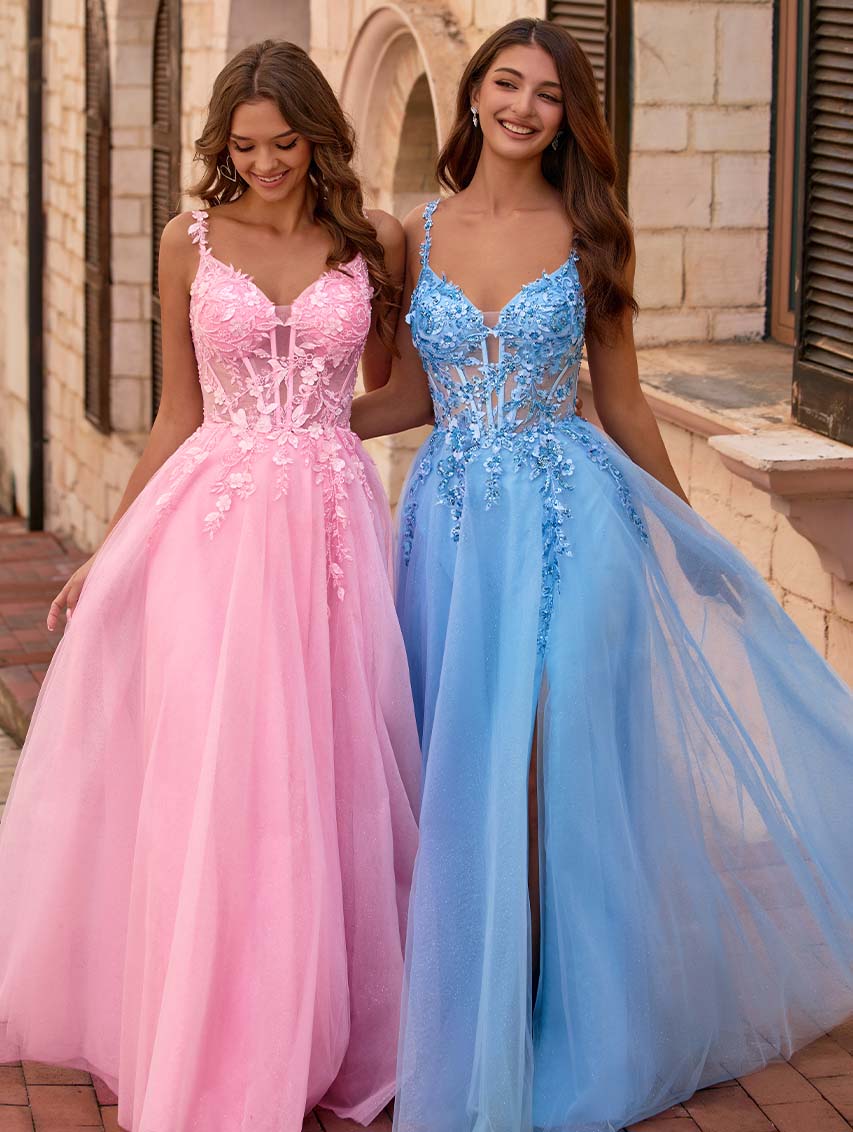
An A-line skirt adds width below the waist, creating contrast with an open back above it. A clearly defined waistband gives the opening a firm visual endpoint; appliqués or draping across the waist can make that transition softer.
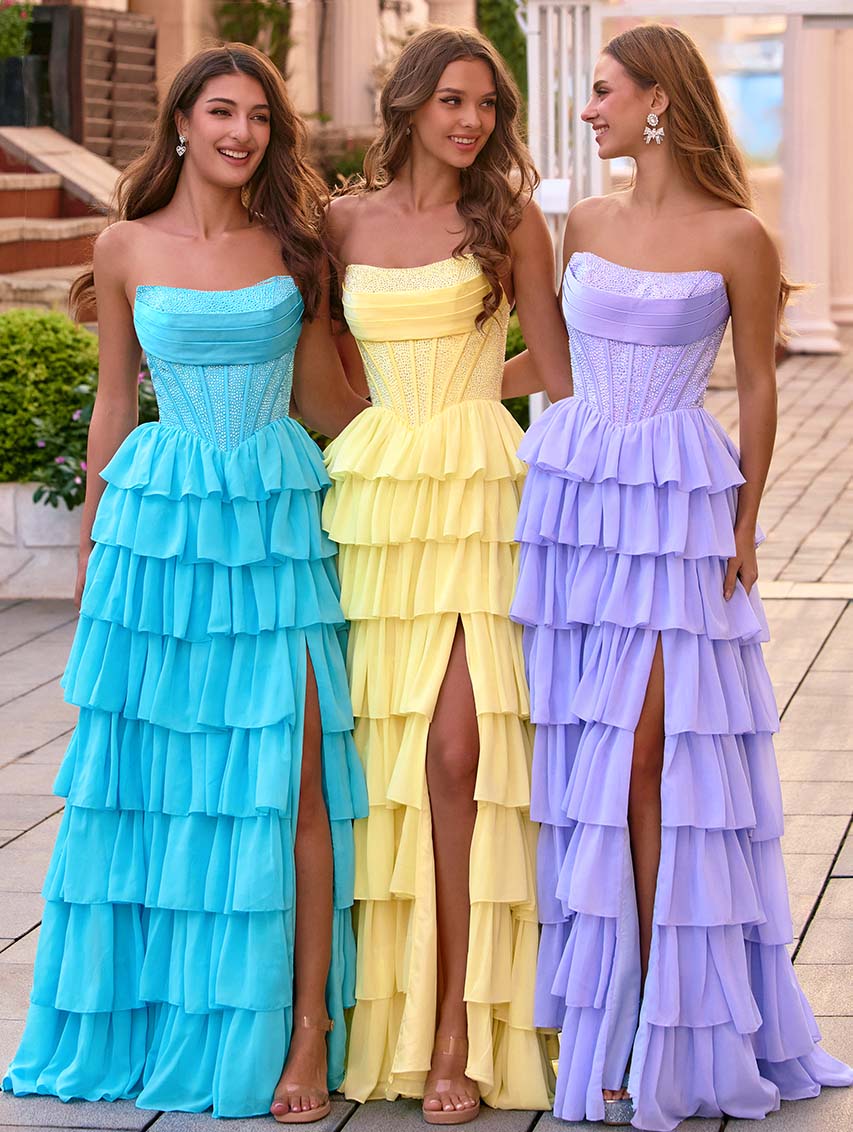
Choose broad satin folds for a more sculpted skirt or lighter layers for a flowing effect. If the lower half includes tiers or ruffles, compare a simpler back with a more intricate strap arrangement to see which combination feels balanced to you.
Read the Front and Back as One Bodice
The front neckline and back opening share the same shoulder and side structure, so consider them together. A higher front with an open back concentrates the main reveal behind you. A cowl neckline introduces draping at the front, while a square or sweetheart neckline creates a more defined upper edge. Trace the straps through the product images. Where they begin, cross and attach influences both the appearance and fit of the bodice. A strap that looks delicate from the front may form a prominent pattern across the back.
Low and Open Backs
A low back leaves a relatively uninterrupted opening above the skirt. Compare its depth, width and shape rather than choosing by the label alone. A narrow V, a broad scoop and a small central cutout reveal different areas and meet the waist differently.
Crossed Straps and Open Lace-Up Designs
Crossed straps divide the opening into smaller shapes and add lines across the back. Open lace-up designs make the ties part of the look, with the spacing and lacing pattern affecting how much of the back remains visible. Check whether the design includes a backing panel and whether adjustment is described for that particular dress. Decorative lacing, adjustable ties and a structured corset closure do not necessarily function in the same way. For any open back bodice, review the lining, cups, closure and side coverage. The amount of visible skin does not tell you how securely the dress will fit; that depends on the individual construction and the fit through the torso.
Choose Prom Details That Continue around the Gown
With an open back, the edges of the fabric become especially noticeable. A clean satin border gives the opening a precise outline. Lace softens the edge, while beading can trace the backline or highlight the straps. Decide whether decoration should continue from the front or create a different rear view. Floral appliqués carried around the waist connect the two sides. A detailed front with a simpler back creates a change as you turn. Both approaches can feel complete when the fabric and proportions tie them together.
The skirt finish also contributes to the rear view. A sweep train extends the line behind the gown, while a plain floor-length hem keeps attention closer to the bodice. Ruching, a bow or a cluster of appliqués near the waist can mark the point where the opening meets the skirt. Color and texture change the effect without changing the cut. A solid fabric makes straps and back edges easy to distinguish, while floral patterns or textured lace distribute attention across more of the dress. Sequins add reflected light around the opening as you move.
Make Sure the Back Works through the Whole Evening
An open back gown should feel comfortable during dinner and dancing as well as standing for pictures. During a try-on, reach forward, lift your arms, sit down and turn. Check whether the straps stay in place and whether the sides or back edges pull, gape or shift. Choose any undergarments or additional support after reviewing the exact opening and bodice construction. Try the complete combination together so you can assess comfort and visibility from the front, sides and back. Built-in cups alone do not guarantee the support every wearer wants. If the dress has ties, practice fastening them at the fit you intend to wear. Avoid relying on excessive tightening to correct an otherwise poor fit. For alterations, explain that preserving the back shape matters alongside the waist and hem measurements.
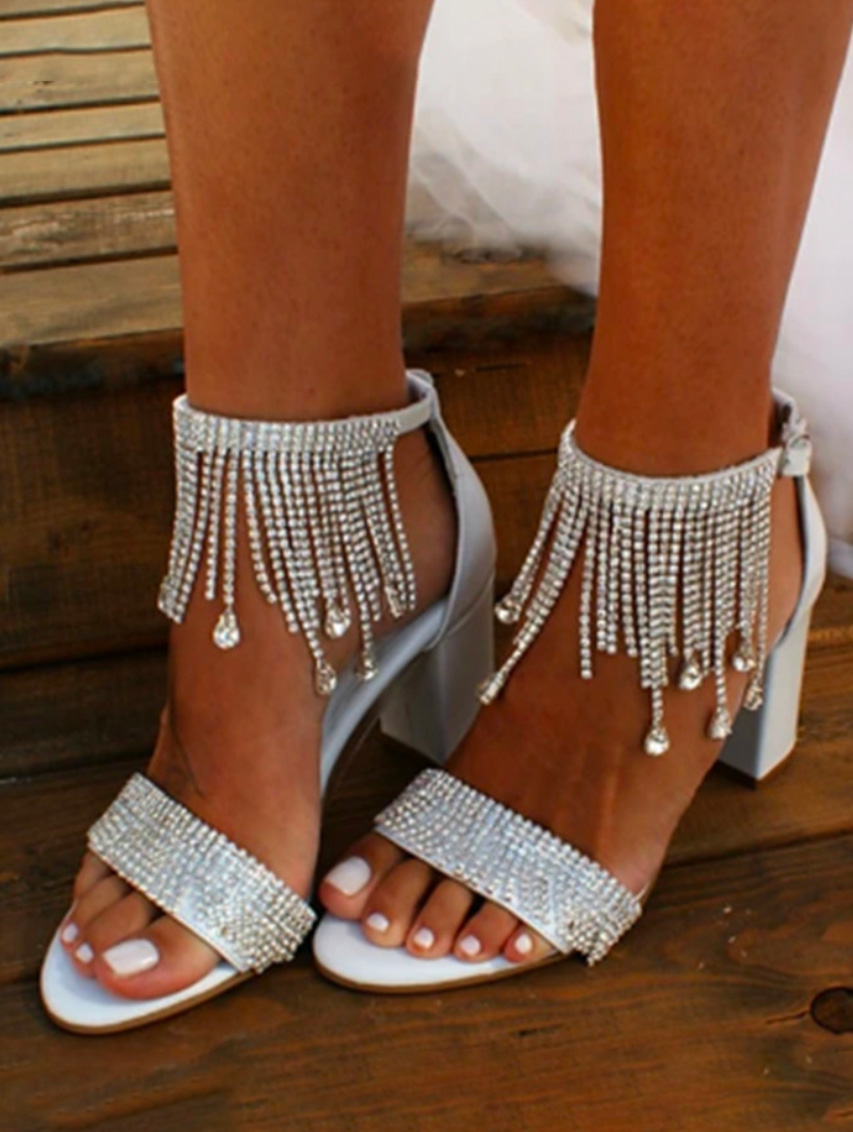
Check your school's prom guidelines before choosing the depth of the opening or any sheer panels. Then consider the rest of the evening: the hem should work with your shoes, and any train should be manageable as you move between tables and onto the dance floor.
Style the Look to Show the Back You Chose
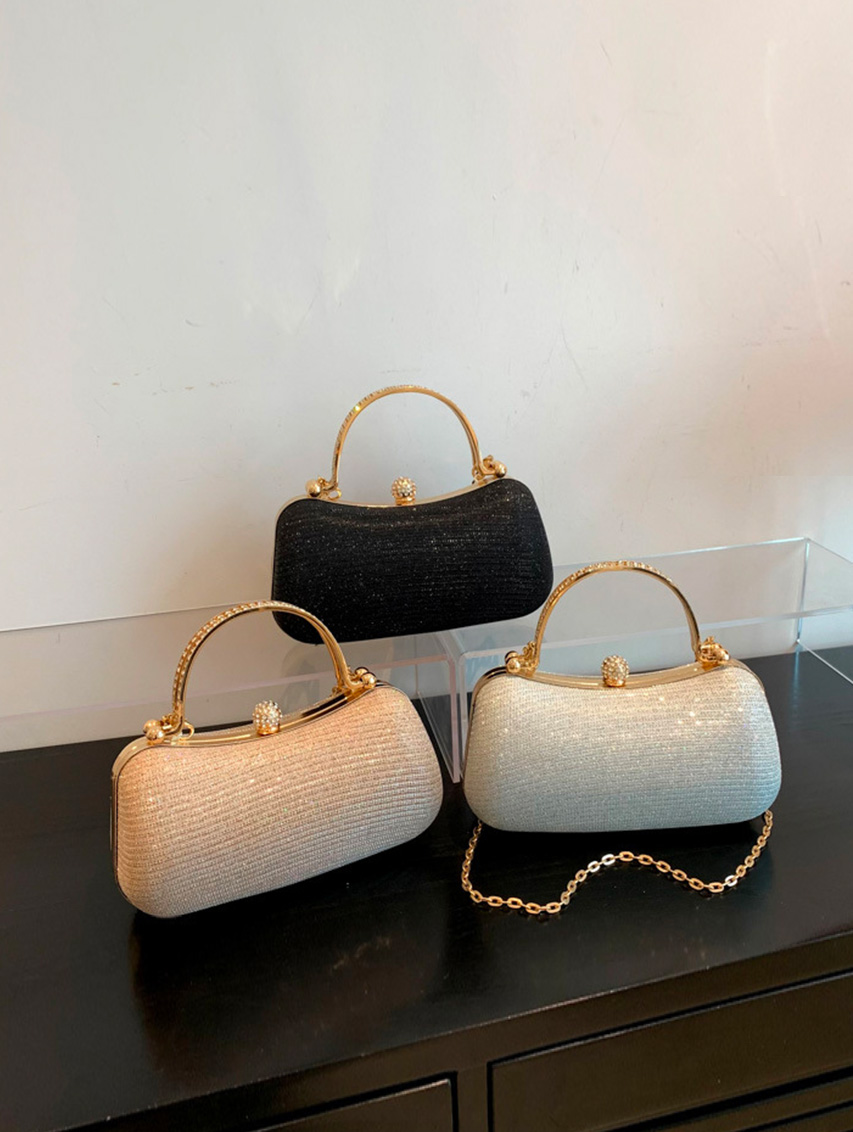
Your hairstyle can determine how much of the back design remains visible. An updo reveals crossed straps and lace-up details, while a side-swept style leaves part of the opening clear. If you prefer wearing your hair down, try it with the gown to see where it falls against the backline. Choose jewelry according to the front neckline as well. Statement earrings can finish a high neckline or detailed bodice, while a simpler open neckline may suit a pendant. A back necklace can work with an uninterrupted low opening, but check that it does not overlap straps or catch on embellishment. A clutch keeps a shoulder strap from crossing the gown's back detail. Match its finish to a bead, metal or color already present in the dress, or choose a smooth neutral accessory when the gown has an intricate surface. For cooler travel or outdoor photos, bring a wrap or jacket that sits comfortably over the bodice. Try textured outer layers against any beads or lace before the event. Complete the outfit with shoes that suit both the skirt length and the time you plan to spend dancing.
Browse the full prom dresses collection to compare more looks, or explore corset prom dresses if a structured bodice is a priority.
Open Back Prom Dresses FAQs
What is the difference between open back, low back and backless prom dresses?
Open back is a broad description that can include cutouts, crossed straps and open lace-up designs. Low back usually refers to a backline that dips farther down the torso, while backless often suggests a larger exposed area. Usage varies, so compare the actual rear views.
Which silhouette works best with an open back?
A fitted gown connects the back opening to a narrow skirt, a mermaid adds a lower flare, and an A-line creates more volume below the waist. Choose according to the full outline you prefer and where you want the opening to meet the skirt.
How do I choose between a low back and a lace-up back?
A low back emphasizes the shape of the opening, while a lace-up back adds a visible pattern of ties. Compare the coverage, presence of a backing panel and any stated adjustability. Lacing does not automatically mean the dress offers a structured corset fit.
What front neckline pairs well with an open back prom dress?
A higher neckline puts more emphasis on the rear opening. A cowl front adds soft draping, while a square or sweetheart neckline provides a defined shape. Review the front and back together, including how the straps connect them.
How should an open back prom dress fit?
The bodice should stay comfortably in position when you reach, sit and turn. Check for pulling, gaping or shifting along the sides and back edges. Straps and ties should sit securely without needing excessive tightening to hold the dress in place.
Can I wear an open back prom dress for dancing?
Yes, if the individual dress fits securely and allows comfortable movement. Test the bodice and skirt together, including reaching, turning and taking full steps. Check your school's guidelines when choosing the opening depth and any sheer details.
What hairstyle shows off an open back dress?
An updo leaves the back design visible, while a side-swept hairstyle reveals part of the opening. If you prefer loose hair, try it with the gown to see whether it covers the straps, lace-up pattern or decorated back edge.
What jewelry should I wear with an open back prom dress?