Choose Ruching by Where It Falls
The position of the gathering matters as much as the amount. Start by deciding where you want the dress to carry its strongest detail.
Ruched Bodices
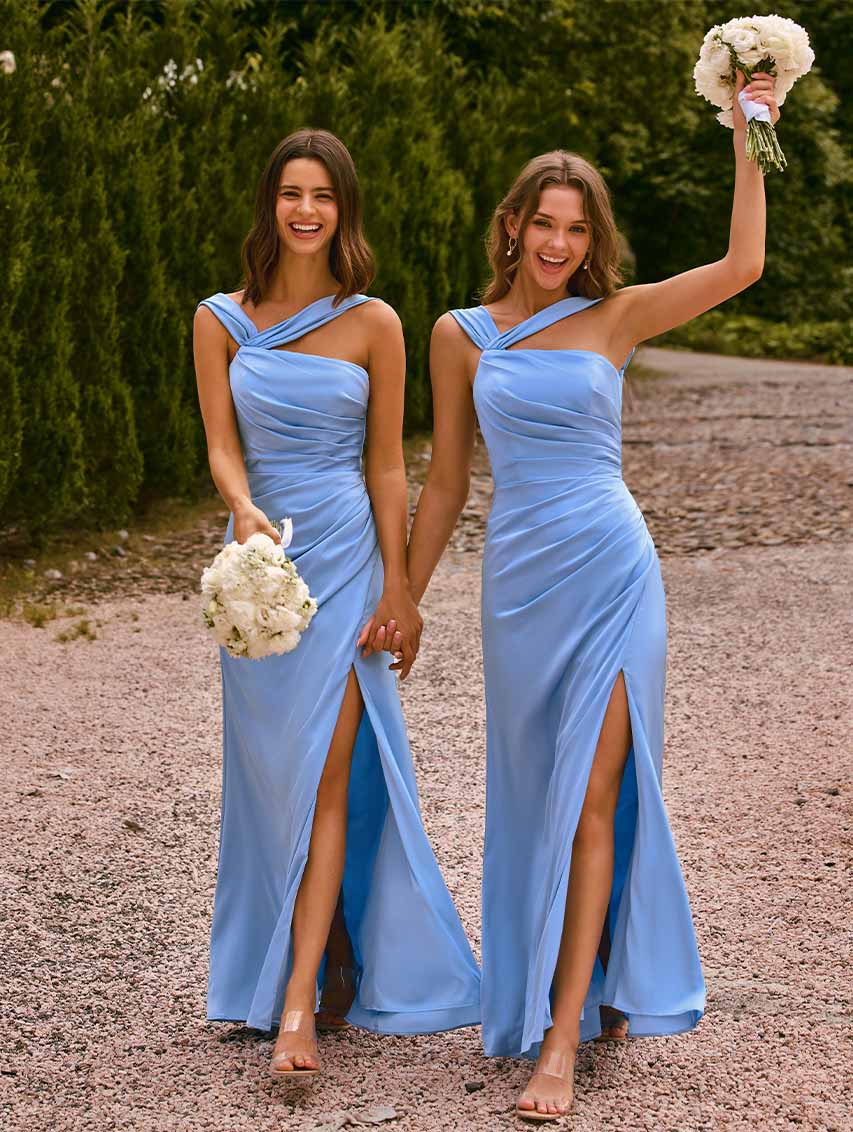
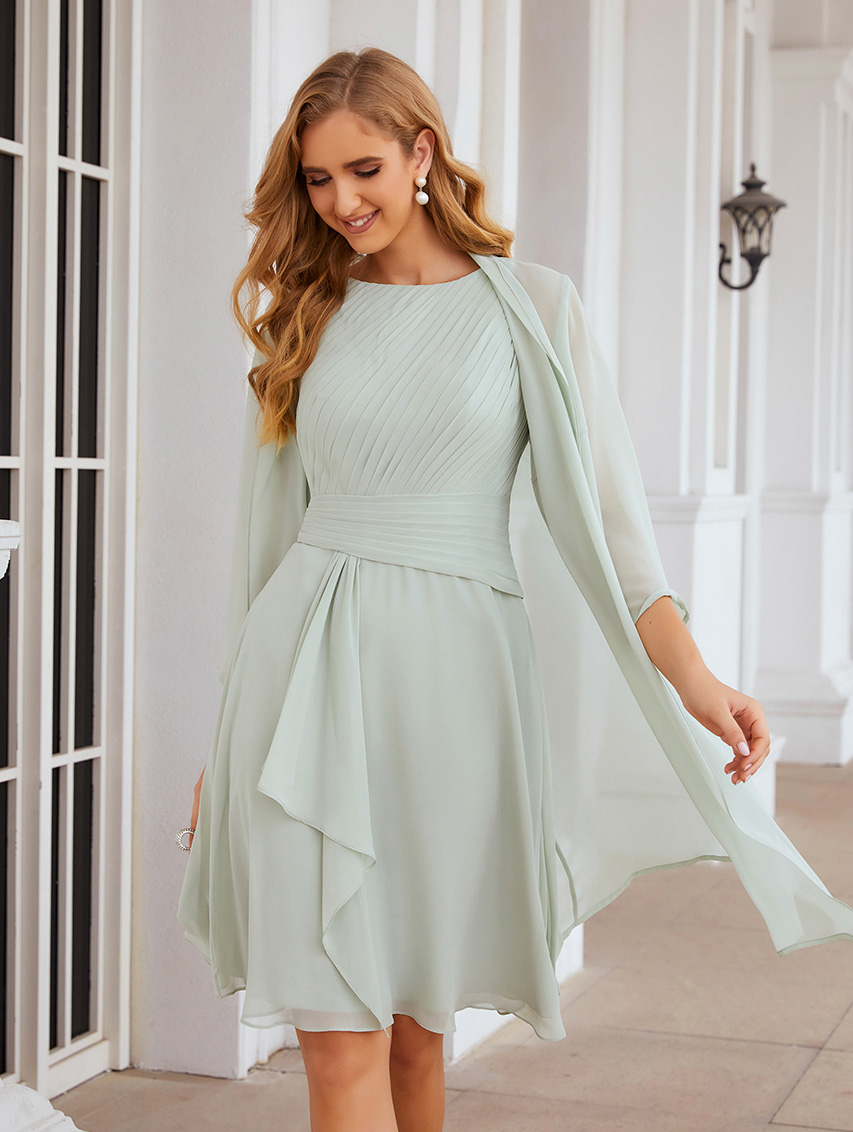
Gathering across the bust brings depth to strapless, sweetheart and cowl necklines. Diagonal folds create movement, while centered ruching gives the bodice a more balanced appearance.
Ruching is decorative rather than supportive. Check the product details for boning, shaped cups, straps or a corset back if secure bodice construction is important.
Gathered Waists
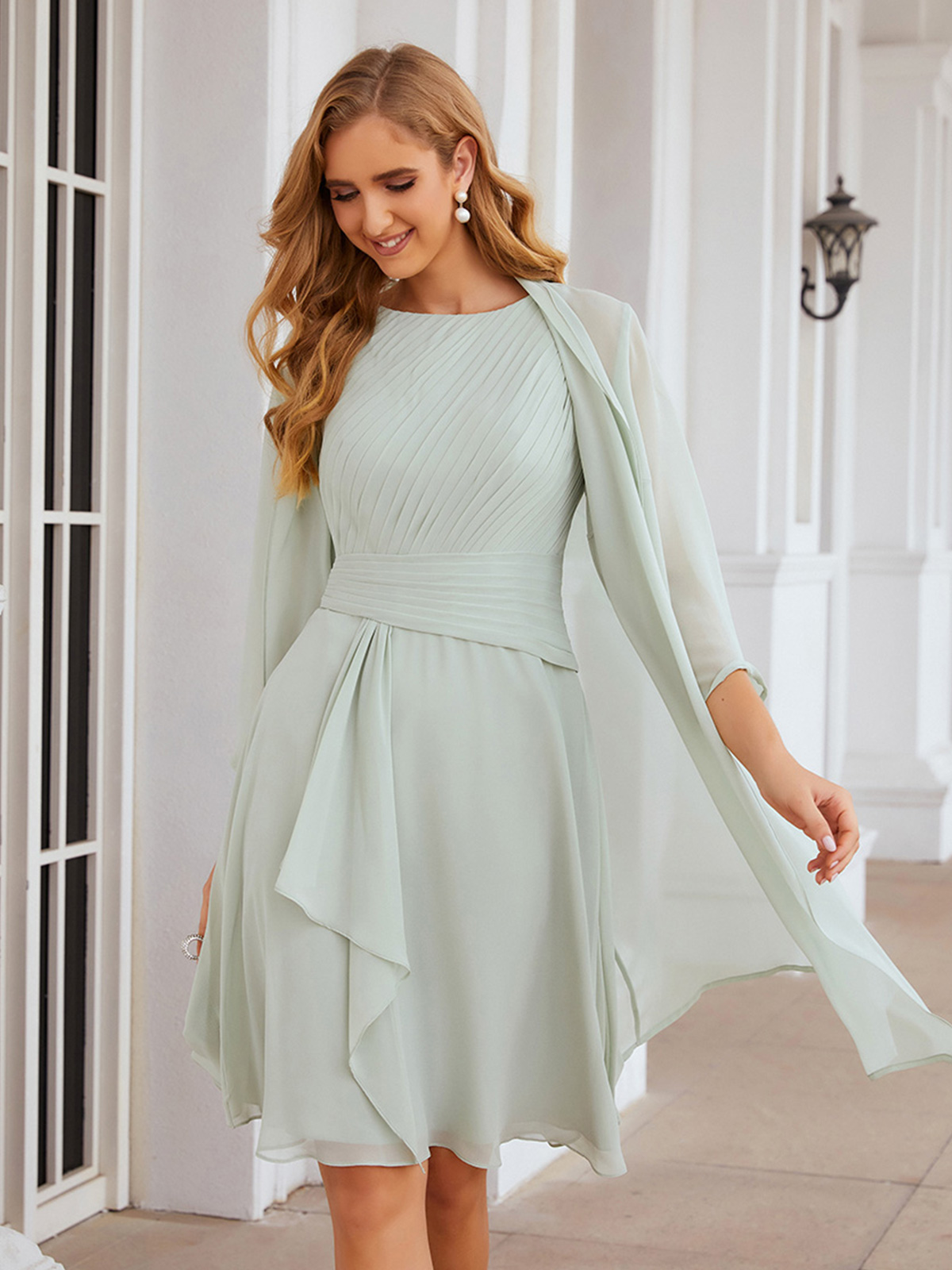
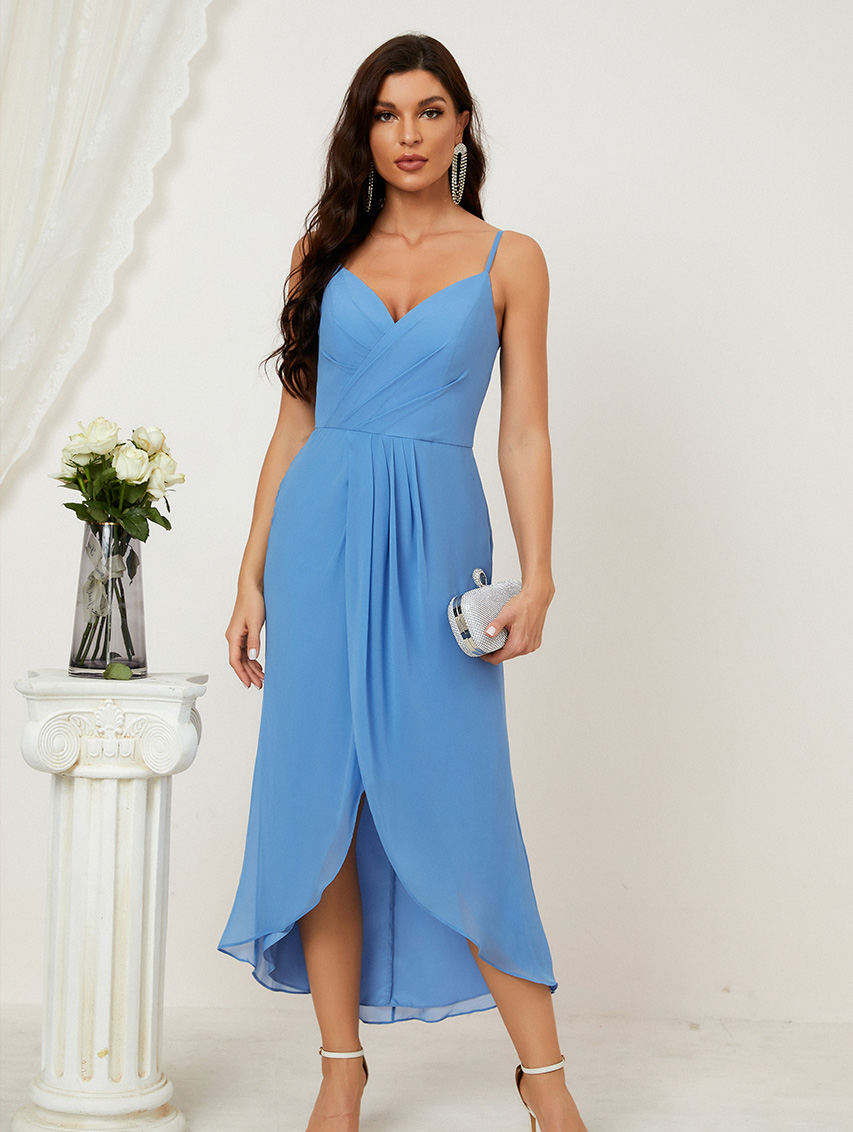
Fabric drawn toward the center or one side of the waist creates a clear focal point. A twisted center can connect the neckline and skirt, while asymmetric waist ruching produces a more modern, draped effect.
Side-Ruched Skirts
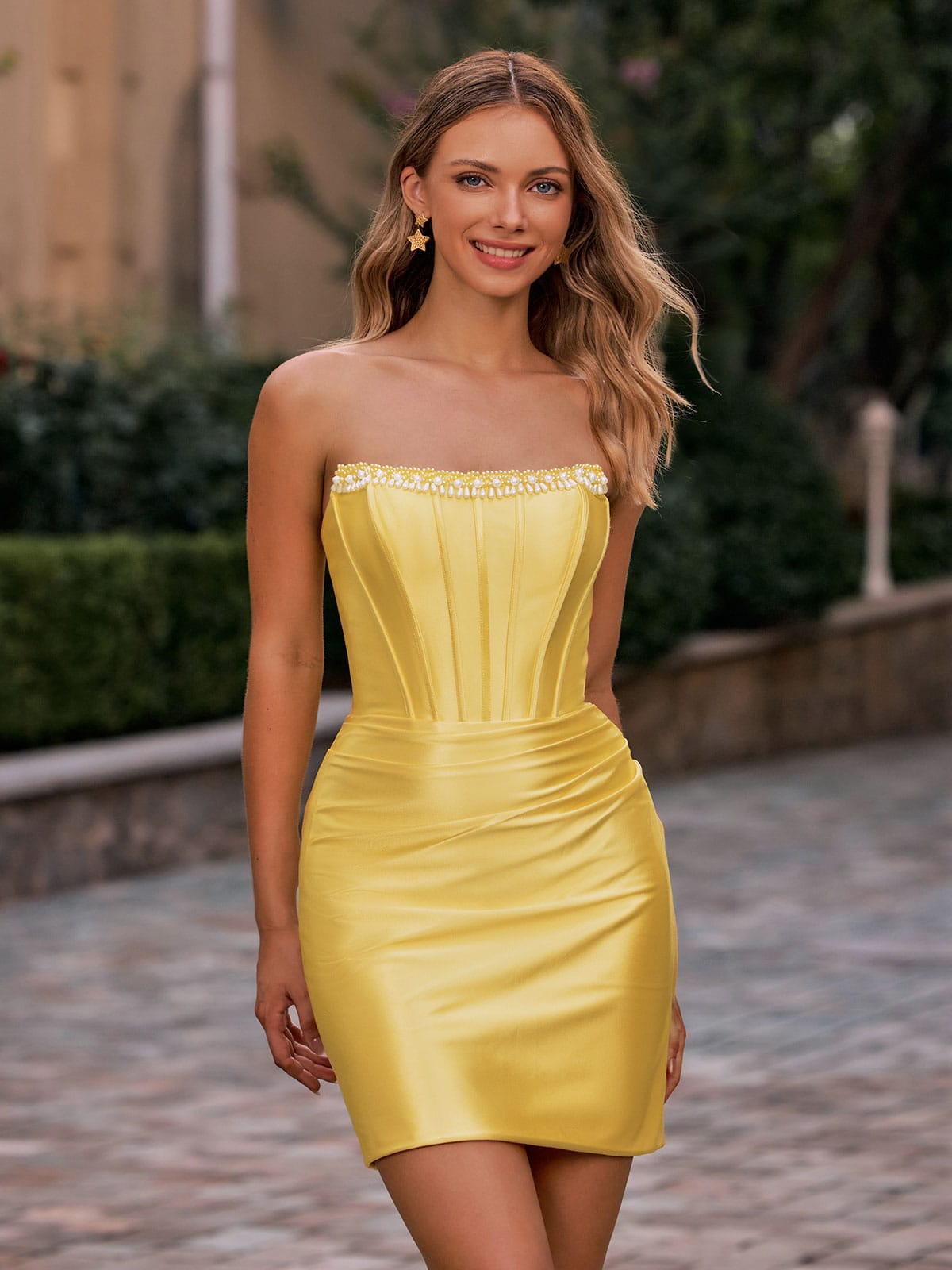
Side gathering often flows into a slit or overlapping skirt panel. This placement works particularly well with a fitted prom dress, where the folds add texture without interrupting the streamlined silhouette.
Let the Fold Direction Shape the Look
Horizontal gathers place emphasis on the area they cross. Diagonal folds lead the eye across the gown, while longer vertical drapes create a continuous line toward the hem.
Look at front, side and back photographs before choosing. A gown may appear smooth from one angle but have concentrated ruching around one hip or along the back seam.
The folds should also look intentional rather than strained. If the ruching pulls flat or spreads unevenly in the wrong size, the original shape of the design may be lost.
Notice How the Fabric Changes the Effect
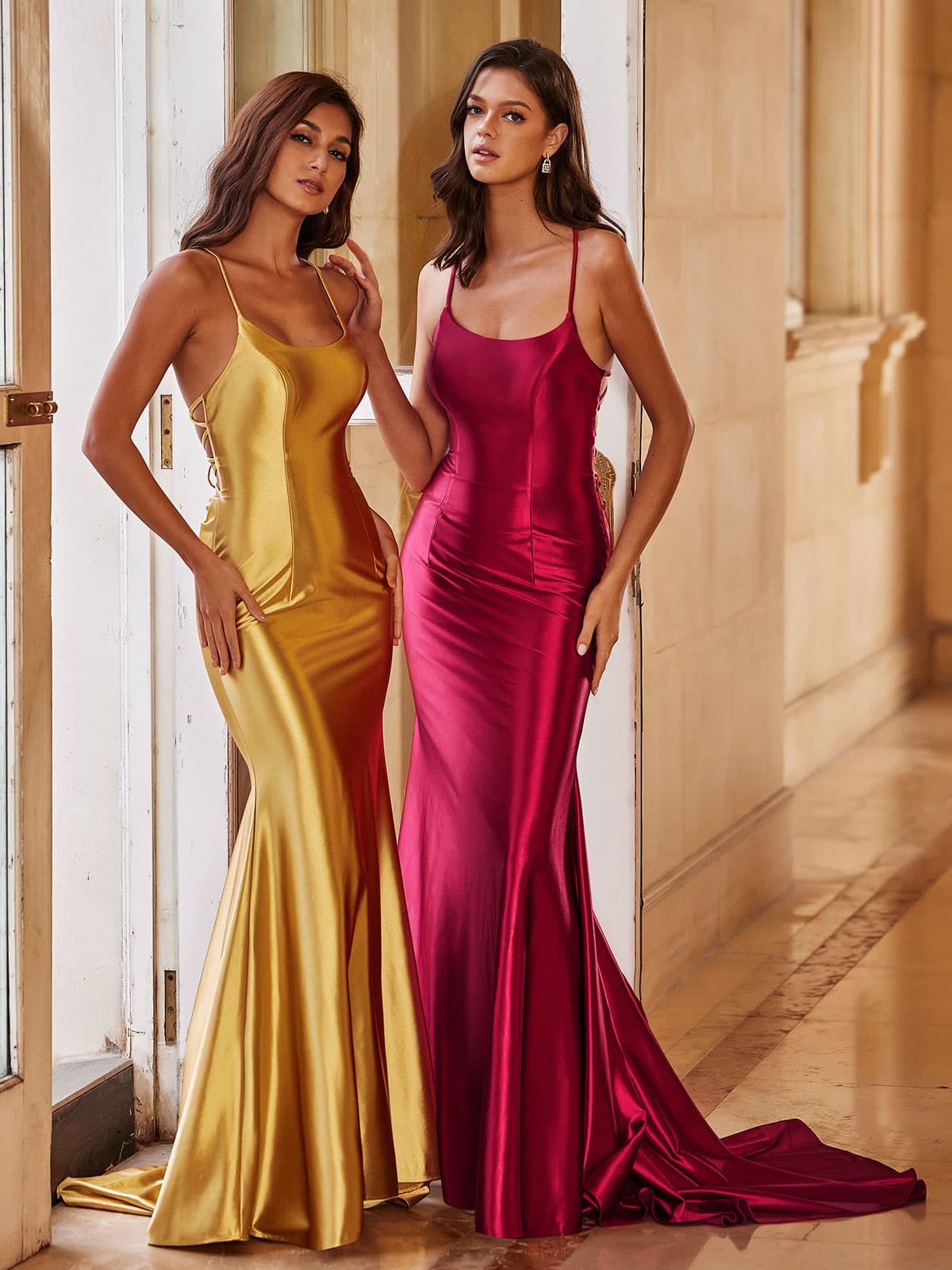
Smooth satin prom dresses produce pronounced highlights along every fold. This makes satin ruching especially noticeable under venue lighting and camera flash.
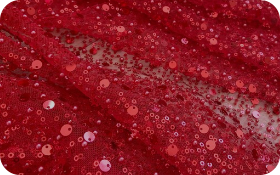
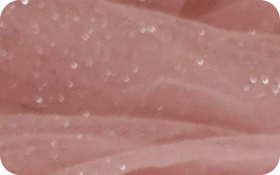
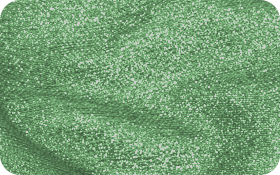
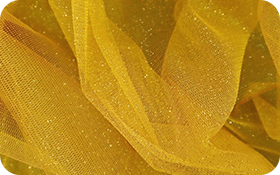
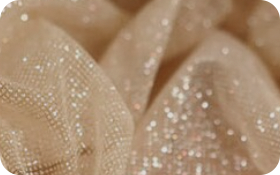
Jersey creates softer gathers and may offer more flexibility, depending on its composition. Taffeta forms crisper, more architectural folds, while metallic fabric intensifies the contrast between bright ridges and shaded areas.
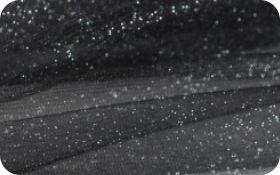
Dark colors can make the gathering appear restrained. Bright shades, pastels and reflective surfaces usually reveal more of the draped construction.
Pair Ruching With the Right Silhouette
An A-line gown can use a ruched bodice to define the upper body before releasing into a freer skirt. This balances visible waist detail with comfortable movement below.
A sheath or column dress keeps the gathering close to the figure for a sleek appearance. Check the hip measurements and slit placement carefully because these silhouettes offer less room through the skirt.
On a mermaid prom dress, ruching can emphasize the transition from the fitted hips to the flare. The fabric’s stretch and lining—not the gathering alone—determine how comfortably the gown moves.
Ruched and Pleated Are Not the Same
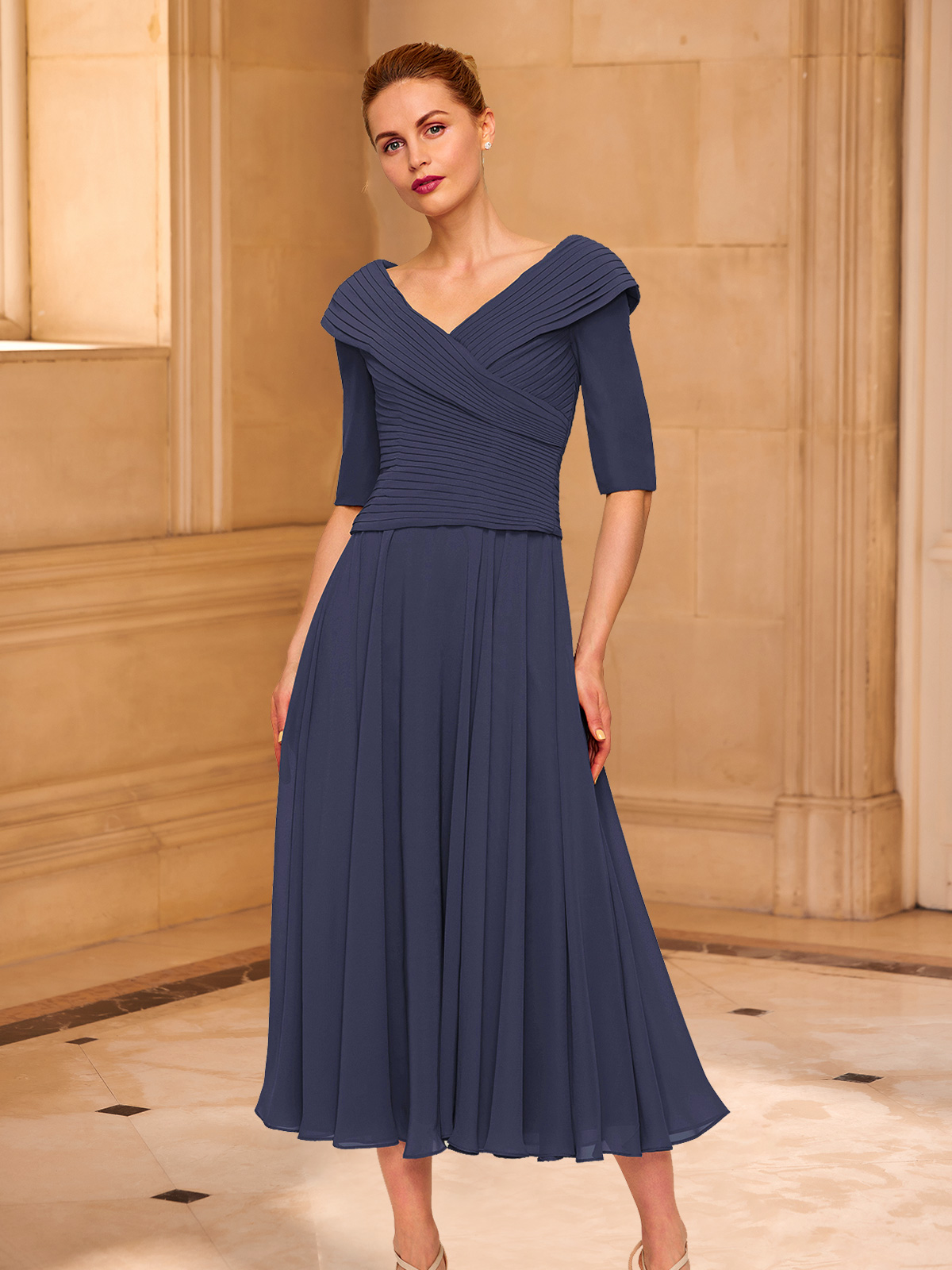
Ruching gathers fabric into soft, sometimes irregular folds. Pleating forms more deliberate creases that usually follow a repeated direction.
One dress can contain both techniques. It might have ruched fabric across the bodice and structured pleats in the skirt. Review close-up images instead of relying only on a product’s feature labels.
Fit the Dress, Not Just the Draping
Take your bust, waist and hip measurements and compare them with the size chart for the individual gown. Do not assume a ruched dress will stretch or automatically adjust to a different body measurement.
Check the fabric composition, lining and closure. A lace-up back may offer some adjustment, while a zipper closure generally requires a closer match to the listed measurements.
During the fitting, sit down, raise your arms and take several full steps. Confirm that the folds remain in place and that any slit or draped panel provides comfortable coverage while moving.
Finish the Look With Clean Details
Because ruching already creates visual lines, accessories should support rather than interrupt them. Pair an asymmetric drape with simple earrings, or complement a clean strapless neckline with one restrained necklace.
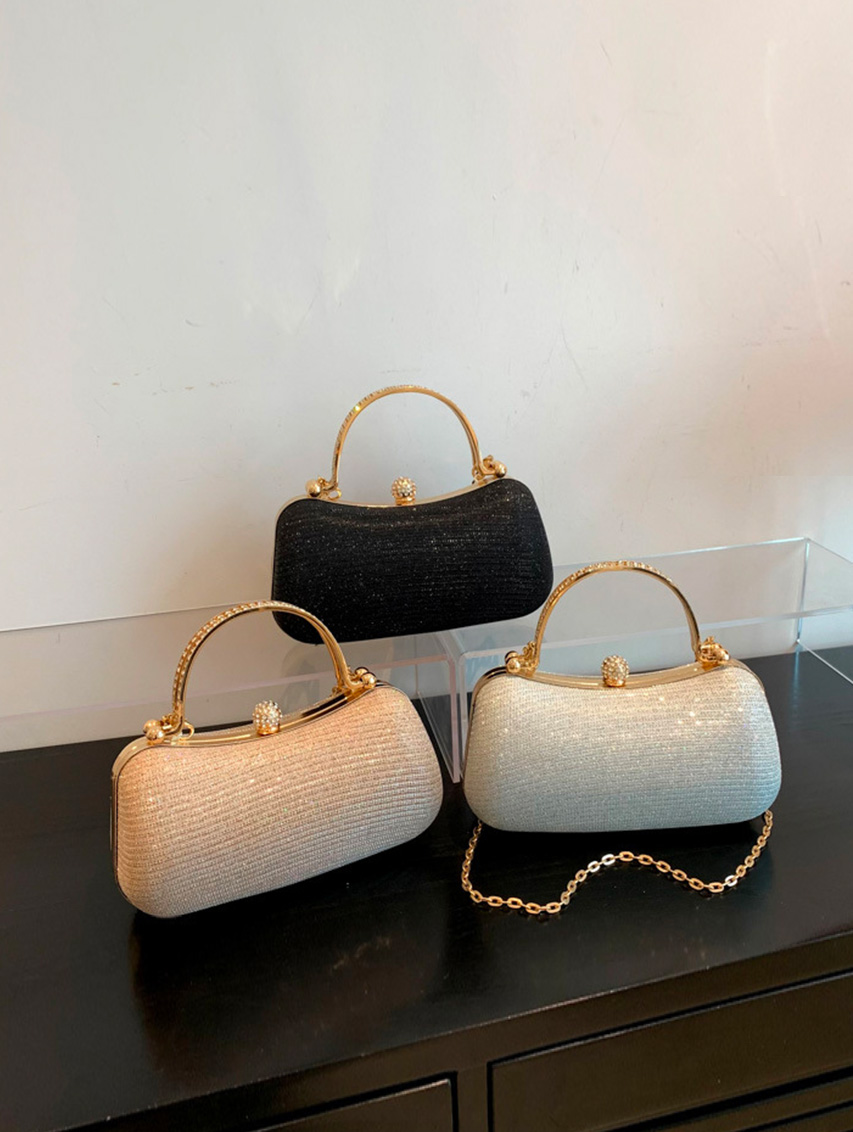
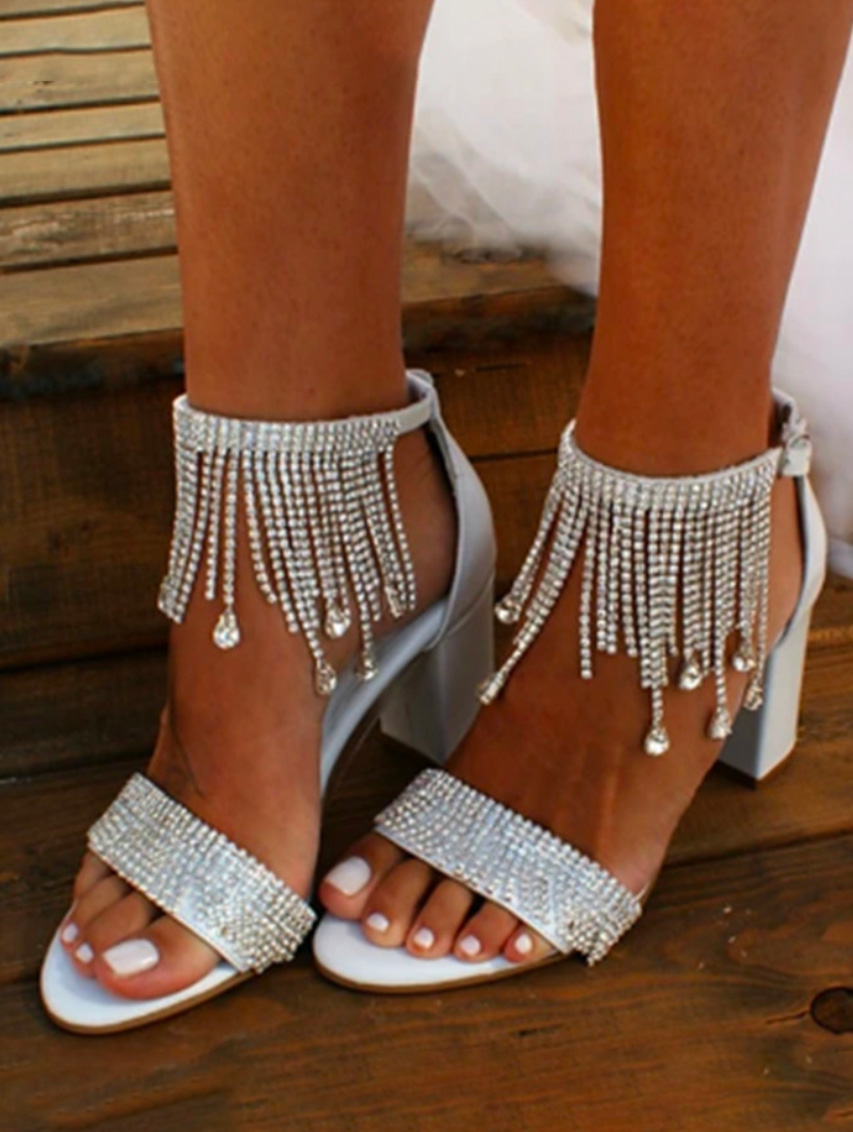
Avoid placing a belt over detailed waist gathering unless it is designed as part of the gown. Solid-color shoes and a streamlined clutch allow the draping to remain the focus.
Browse the complete prom dress collection for more silhouettes, fabrics and formal styles.
Ruched Prom Dresses FAQs
What does ruched mean on a prom dress?
Ruched means that fabric has been gathered to create soft folds. The gathering may be placed across the bodice, around the waist, along one side or down the skirt.
Is ruching the same as draping?
They are related but not identical. Ruching gathers fabric into concentrated folds, while draping describes the broader way fabric hangs or flows across the dress. A gown may use both techniques.
Do ruched prom dresses stretch?
Ruching does not automatically make a dress stretchy. Elasticity depends on the fabric composition and construction, so check the individual product information before choosing a size.
Which ruching placement should I choose?
Choose according to the line you prefer. Waist ruching creates a central focus, diagonal gathering adds movement, and side ruching often connects naturally to a slit or overlapping skirt.
How do I choose the right size for a ruched gown?
Measure your bust, waist and hips, then use the product-specific size chart. Choose for the underlying fit of the gown rather than expecting the folds to compensate for a size that is too small.
How should I remove wrinkles from a ruched dress?