Look at More Than the Width of the Straps
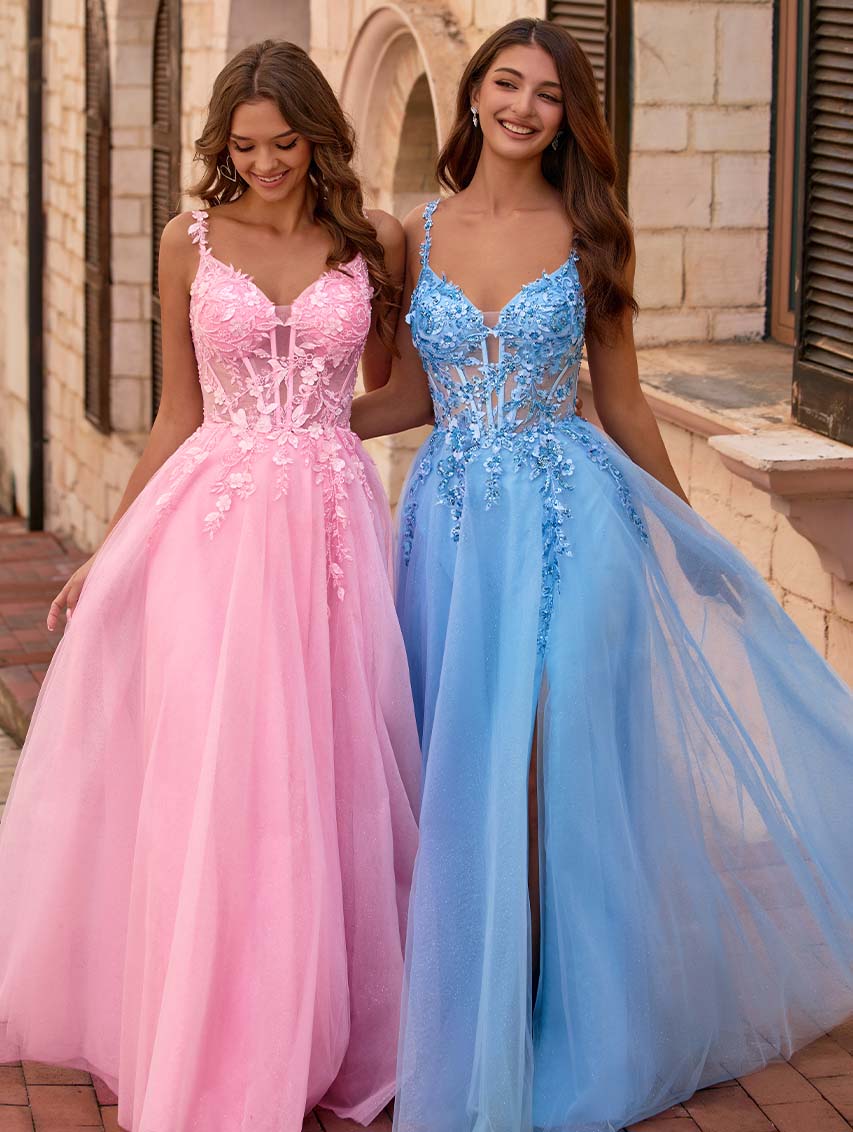
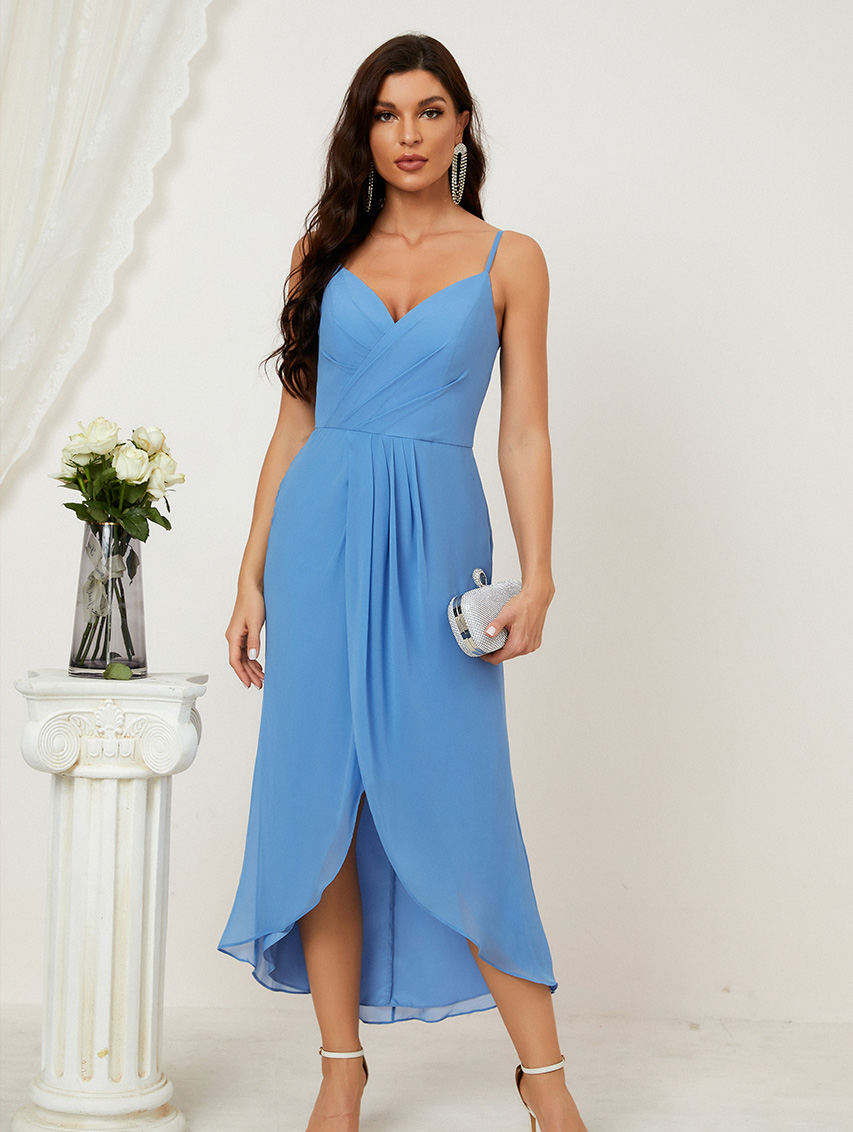
A spaghetti strap is defined by its slim shape, but width alone does not explain how the dress will fit. The attachment point, adjustability and back construction all influence stability. The straps should hold the neckline in position without carrying the full weight of the gown. Support should also come from the bodice, cups, lining or corset construction.
Check whether the straps connect close to the center of the neckline or farther toward the sides. This placement affects how securely they remain on the shoulders.
Know How the Straps Adjust
Adjustable Straps
Slider hardware allows the strap length to be shortened or extended. Adjust both sides evenly so the neckline remains level and the straps feel secure without digging into the shoulders.
Fixed Spaghetti Straps
Fixed straps create a cleaner appearance but offer no built-in length adjustment. If alteration is required, a tailor should preserve the original attachment points and decorative details.
Tie Straps
Some narrow straps tie at the shoulders or back. They can provide limited adjustment, but the knots must remain secure and should not create uncomfortable pressure.
Crossed-Back Straps
Crisscross straps distribute the visual detail across an open back and may help keep the straps from sliding outward. Confirm whether they are adjustable, permanently crossed or part of a lace-up construction.
Pair Slim Straps With the Right Neckline
Spaghetti straps can support several different neckline shapes.
A V-neck creates a longer center line, while a sweetheart neckline introduces softer curves across the bust. A square neckline looks more structured, and a cowl neck uses the straps to hold softly draped fabric. For gowns with a defined center opening, explore V-neck prom dresses. If you prefer fluid neckline folds, browse cowl neck prom dresses.
Look at the neckline and strap system together. Thin straps do not automatically mean that the gown has a low or revealing front.
Let the Bodice Provide the Foundation
A narrow strap cannot correct a poorly fitted bodice. The dress should fit securely through the bust and waist before the strap length is adjusted. A corset prom dress may include cups, boning, panel seams or a lace-up back. These features can help structure the gown, but accurate measurements are still essential. For embellished straps, inspect where beads, sequins or appliqués meet the skin. Raised details near the shoulder may become uncomfortable after extended wear.
Check the Relationship Between Straps and Back
The back design determines whether the straps are a simple support feature or a major part of the gown.
Straight straps create a clean rear view. Crossed straps introduce geometric lines, while straps connected to a lace-up back can become part of the corset design. Some gowns combine narrow straps with an open or low back. Explore backless prom dresses if the rear construction is an important part of your look.
Review product photographs from behind. Front images alone cannot show where the straps connect or whether ordinary bra straps can remain concealed.
Plan Undergarments Before Alterations
The correct undergarment depends on the neckline, side coverage and back height. A conventional bra may be visible beneath narrow straps or an open back. Check whether the gown includes cups or internal support. If you plan to use a low-back bra, adhesive support or inserts, test them with the dress before adjusting the straps or altering the bodice. Undergarments can change how the bust sits inside the dress, which may also change the required strap length.
Perform a Strap-Security Test
Before prom, wear the gown and complete several ordinary movements: