Judge the Slit While the Dress Is Moving
A slit cannot be evaluated accurately from a single standing photograph. Its visible height changes when you walk, sit, climb stairs or turn on the dance floor.
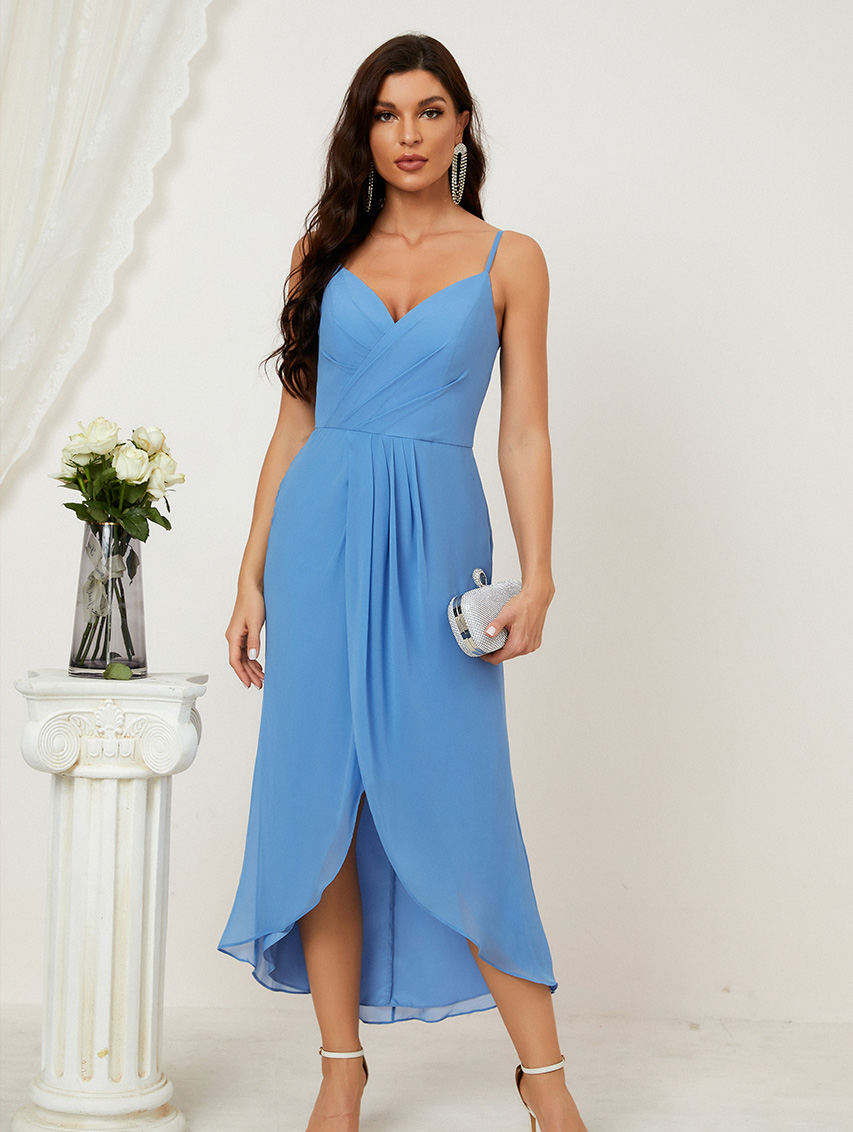
Look for images or videos that show the skirt in motion. A slit beginning lower on the skirt may open widely in fluid fabric, while a higher slit can remain partly covered by overlapping panels.
The point where the seam opens is only one measurement. The amount of overlap, skirt fullness and fabric weight determine how much leg is actually visible.
Choose the Position of the Opening
Side Slits
A side slit follows the natural walking line and can be positioned on either leg. Check whether it sits directly at the side seam or slightly toward the front, as this affects how readily it opens.
Front Slits
A centered or off-center front slit remains more visible from the front. It can create a strong vertical line, particularly on a sheath or column gown.
Slits Beneath Draping
Ruching or side draping may cover the top of the opening and lead the eye toward it. The fabric can shift during movement, so inspect the construction rather than assuming the drape always provides the same coverage.
Overlapping Skirt Panels
Some dresses create the effect of a slit through wrapped or overlapping panels rather than a single open seam. These panels can move more freely and may reveal more or less leg depending on the wearer’s stride.
Match the Slit Height to the Occasion
A lower slit can make walking easier while preserving a traditional formal appearance. A thigh-high slit creates a more noticeable statement and requires closer attention to movement, coverage and the event dress code.
Before ordering, check your school’s rules. Product names such as “high slit” do not communicate an exact measurement, and the opening may sit differently depending on the wearer’s height and proportions.
If the slit is higher than permitted, ask a professional tailor whether part of it can be closed without distorting the skirt.
See How Fabric Changes the Opening
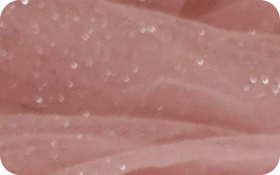
Chiffon moves easily, allowing a slit to open and close with each step. Satin produces smoother, more defined edges and may reflect light along the moving skirt panels.
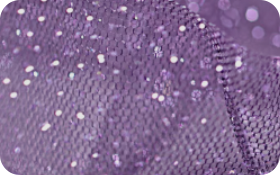
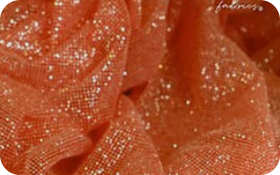
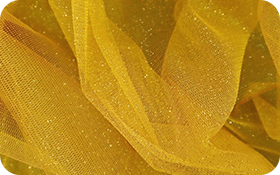
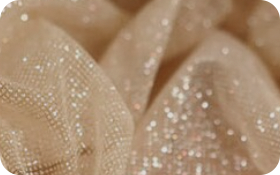
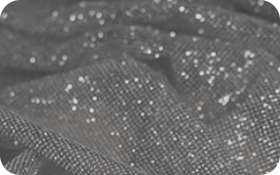
Tulle layers can partly conceal a slit or create different levels of transparency. Stretch fabrics follow the body more closely, while structured taffeta, jacquard and brocade tend to hold the opening in a firmer shape.
On a fitted prom dress, limited room through the hips or thighs may affect the stride even when a slit is present. Check fabric stretch and garment measurements carefully.
Let the Silhouette Determine the Effect
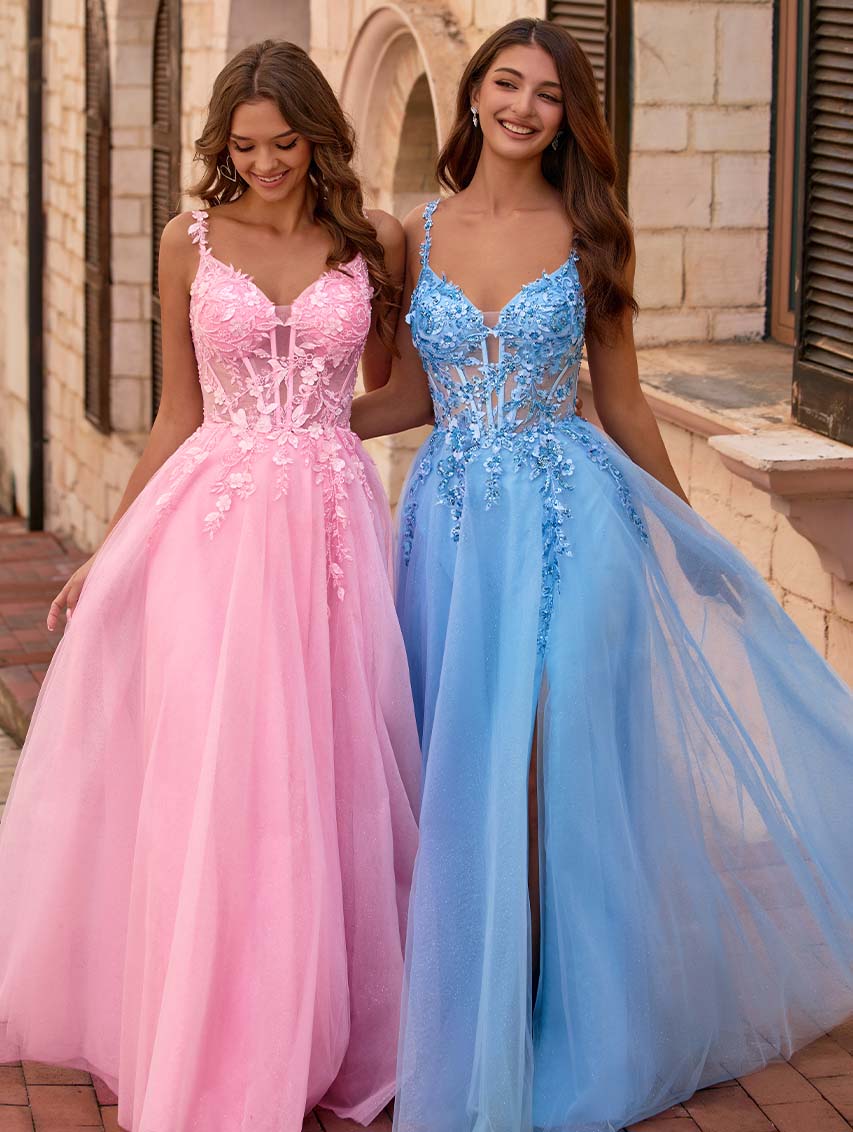
An A-line prom dress has more skirt volume, so the slit may disappear into the folds while standing and become visible only in motion.
A mermaid prom dress uses the opening differently. Because the gown is fitted through more of the body, a slit can increase the available stride before the skirt reaches its flare.
Sheath and column gowns create the clearest vertical opening. With these narrower silhouettes, confirm that the slit, lining and overall skirt width work together comfortably.
Complete a Coverage Test Before Prom
Try on the dress with the shoes and undergarments you plan to wear. Then test the situations most likely to change the slit: