Choose Taffeta for Shape, Not Just Shine
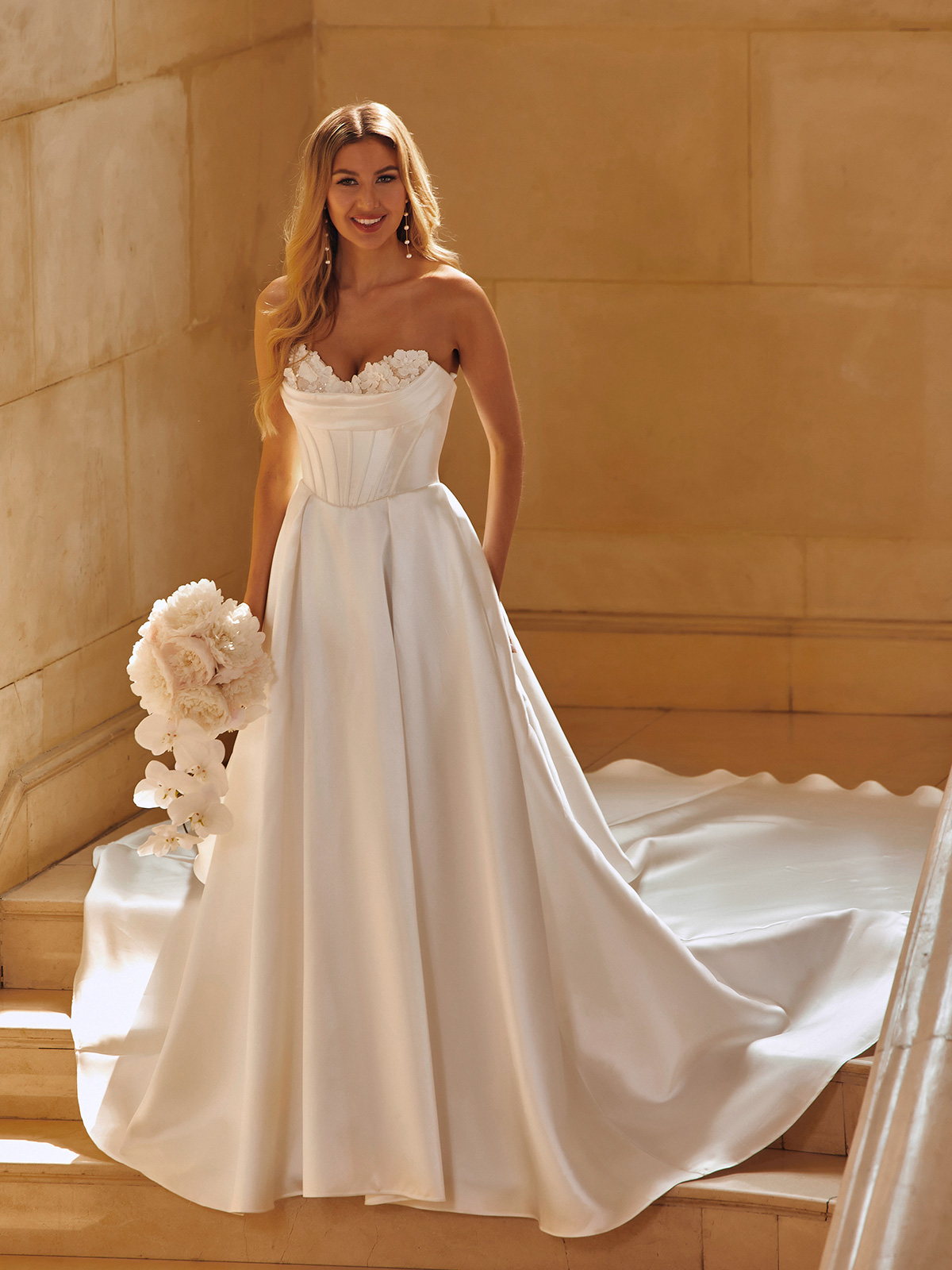
Taffeta is often selected because it can maintain a defined silhouette without relying entirely on layers of netting. Its surface may range from softly polished to more reflective depending on the weave, color and lighting.
Look at the side view of the dress as carefully as the front. The side image can show how far the skirt stands from the body, where the volume begins and whether the fabric falls smoothly or holds pronounced folds.
Let the Construction Create the Drama
Certain design details become more noticeable when made from crisp fabric.
Pleated Waists
Pleats can direct the fabric away from the waist and control where the skirt gains volume. Wide pleats create stronger lines, while narrow gathers produce a softer transition.
Pick-Up and Draped Skirts
Lifted or gathered sections can create curved shapes across the skirt. Check where these points are secured, as they influence both the visual balance and the way the dress moves.
Bows and Statement Details
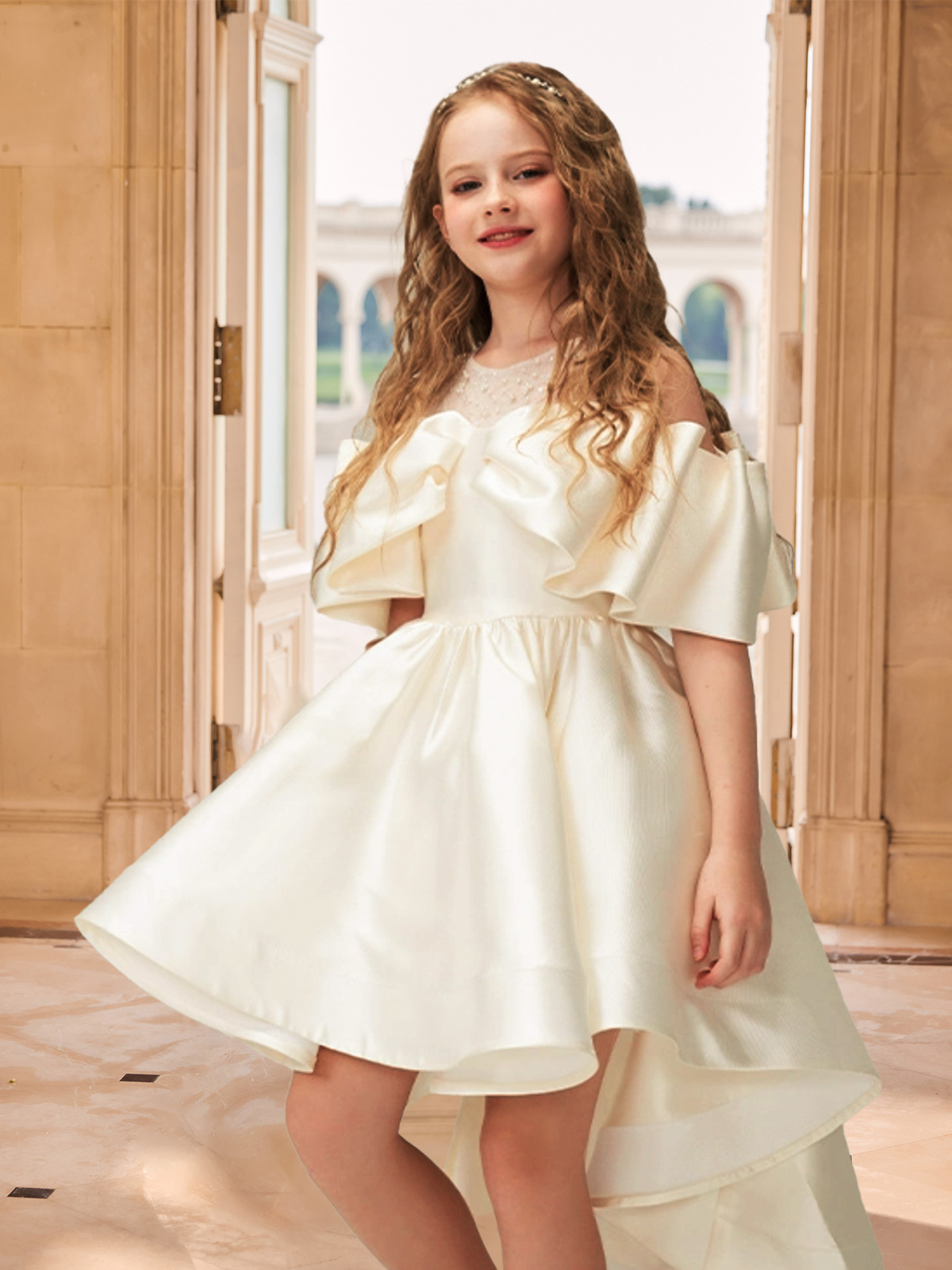
Taffeta can help bows, shoulder accents and waist details retain a defined outline. Larger decorations may become the focal point, reducing the need for elaborate jewelry.
Decide How Much Volume Fits Your Evening
A taffeta ball gown prom dress offers a formal, high-volume shape and requires more room when sitting or moving through crowded spaces.
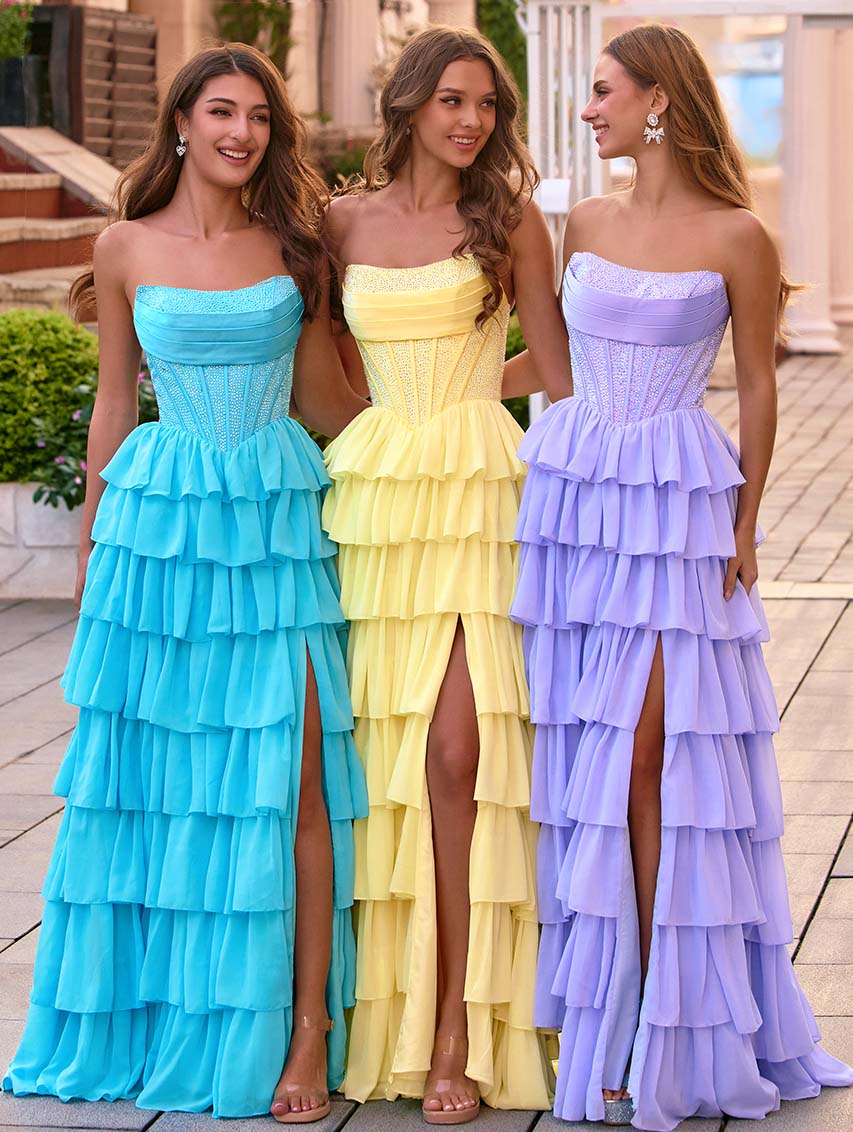
An A-line prom dress keeps the crisp finish while using a narrower skirt. If you prefer visible movement and layered edges, compare the construction with ruffle prom dresses.
Browse all prom dresses to compare structured taffeta with softer or more fluid fabrics.
Notice the Sound and Feel
Taffeta may produce a light rustling sound as it moves. Some shoppers enjoy this as part of the fabric’s formal character, while others prefer a quieter material.
Wear the dress for more than a few minutes before deciding. Walk, sit, turn and let the skirt brush naturally against itself. Also check whether the inner seams and lining feel comfortable against the skin.
View the Color in Different Light
The smooth surface of taffeta can reflect indoor lights and camera flash differently from matte fabric. Some varieties may also appear slightly different when viewed from another angle.
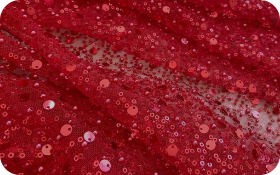
Look at the gown under daylight, warm indoor light and flash photography where possible. If precise color matching is important, use an available fabric swatch rather than relying only on a screen.
Prepare the Skirt Before Alterations
Allow the dress to hang after delivery so shipping folds can relax. Do not decide on the final hem while the skirt is compressed or uneven.
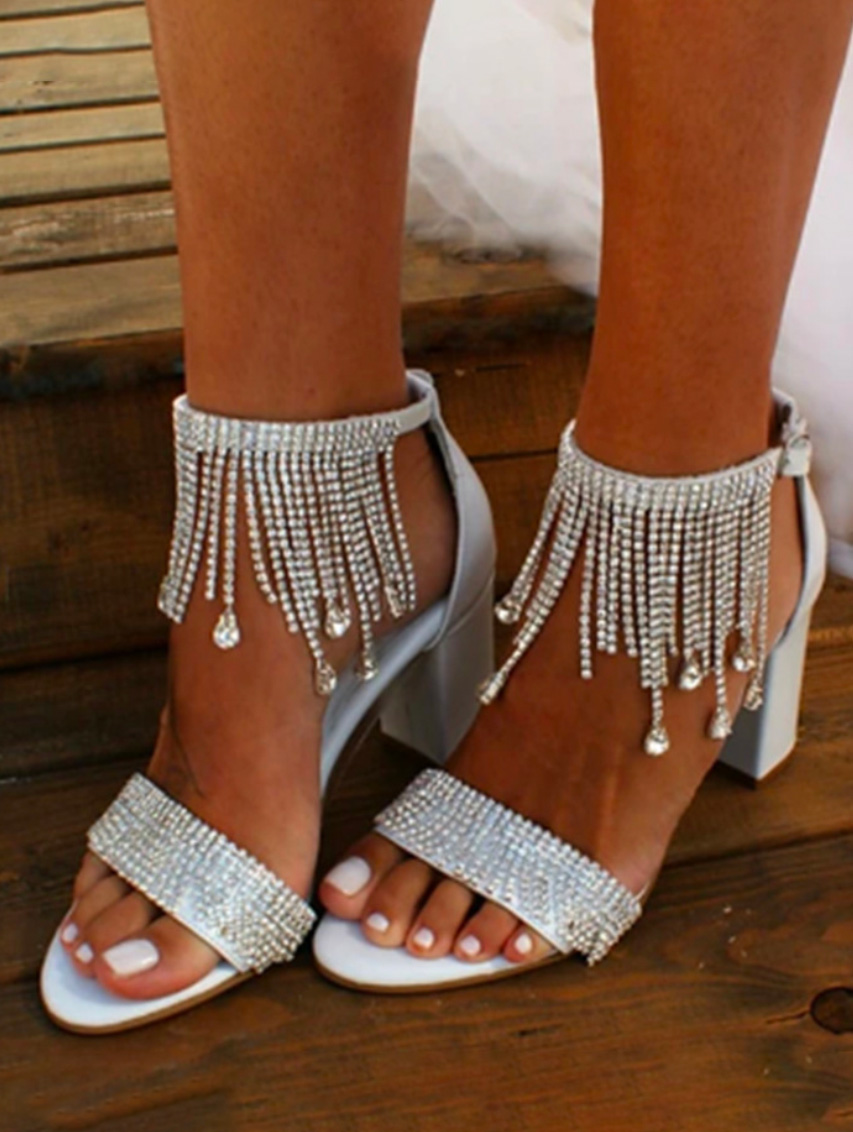
Wear your intended shoes during alterations. For full skirts, the tailor should check the hem around the entire dress rather than measuring only at the front.
Follow the garment’s care label when treating wrinkles. Taffeta can react poorly to excessive heat, pressure or moisture, so avoid placing a hot iron directly on the visible surface unless specifically permitted.
Taffeta Prom Dresses FAQs
Is taffeta the same as satin?
No. Both can have a polished appearance, but taffeta is generally selected for its crisper structure, while satin is commonly associated with a smoother drape. The exact behavior depends on the individual fabric.
Are taffeta prom dresses heavy?
Not necessarily. Fabric weight, lining, skirt construction and added embellishments determine the overall weight. A full silhouette can look substantial without being made from especially heavy material.
Does taffeta make noise when walking?
It may create a noticeable rustle as the fabric moves. The sound varies with the weave, number of layers and dress construction.
Does taffeta wrinkle easily?
Taffeta may develop visible folds during shipping or sitting. Follow the care label and use a fabric-appropriate steaming or professional pressing method.
How can I judge the structure of a Stacees taffeta gown online?