Read the Skirt Before Choosing the Dress
Product photos can reveal how a tulle skirt is constructed. Look at the hem, side view and seated images where available.
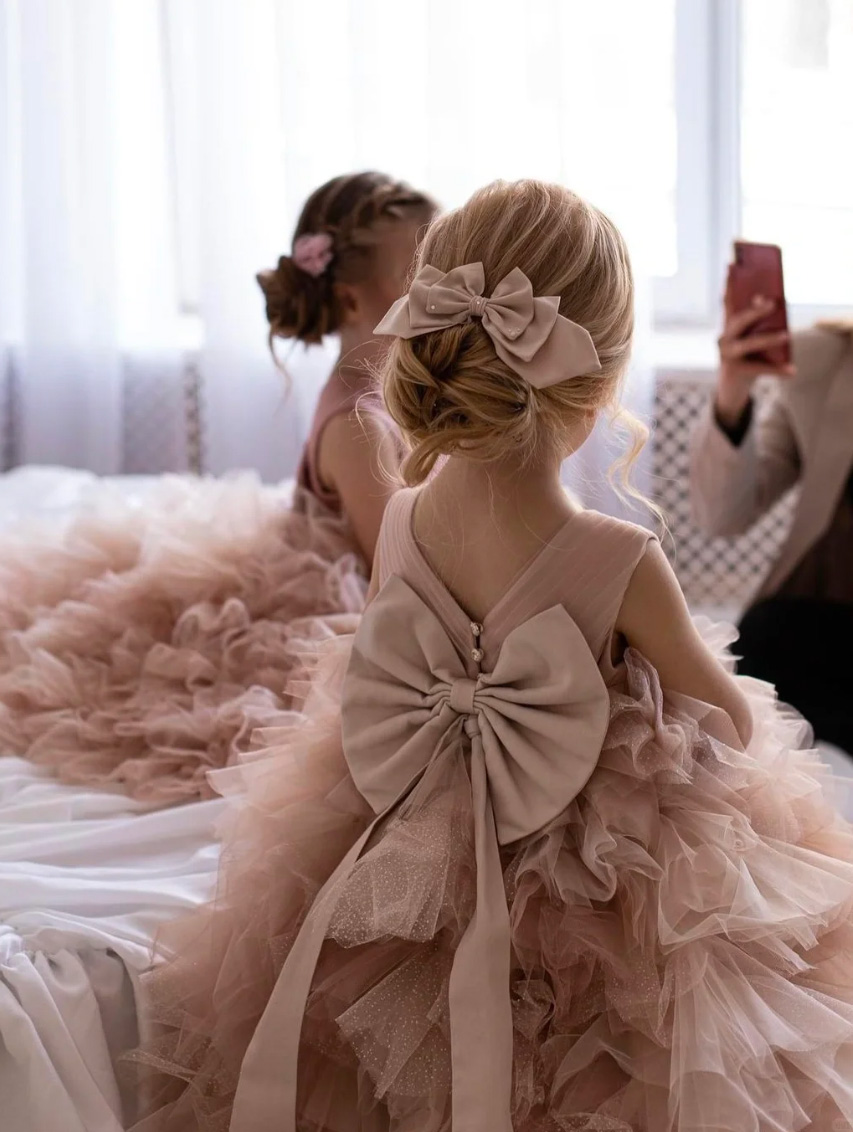
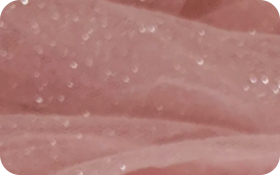
Soft, Flowing Layers
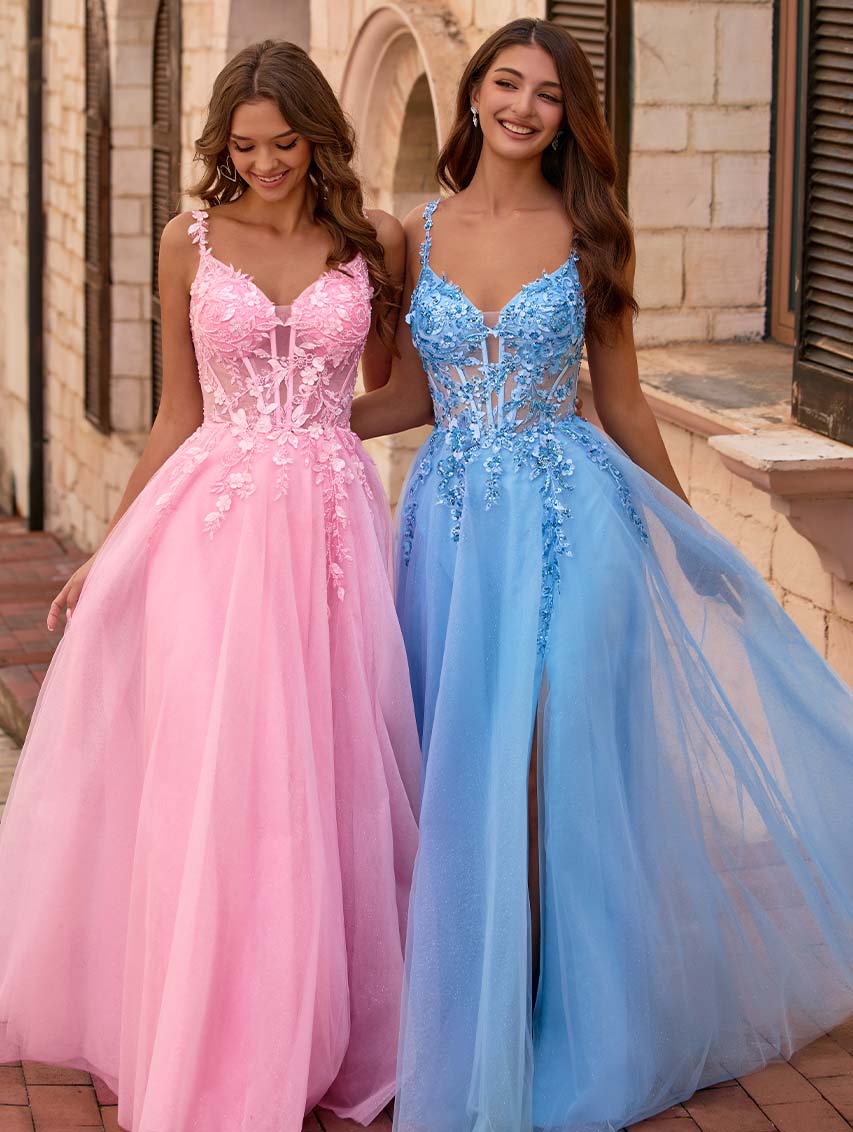
Fine tulle arranged in fewer layers creates gentle movement and a lighter-looking skirt. This construction often works well with A-line silhouettes and softly gathered waists.
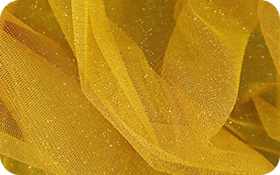
Full, Structured Volume
Multiple layers or firmer netting can hold the skirt farther away from the body. This creates a more dramatic shape, particularly in princess and ball gown designs.
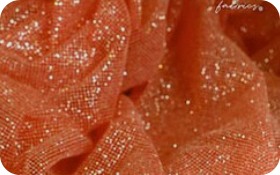
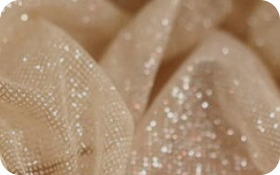
Decorated Tulle
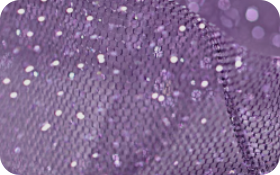
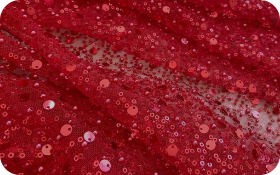
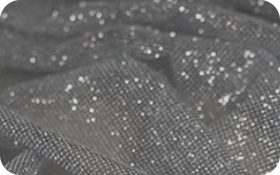
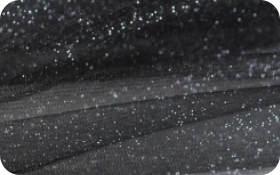
Sequins, lace, flowers and embroidery can give sheer netting more texture. Dense decoration may also add weight, so check whether embellishments cover the entire skirt or appear only in selected areas.
Check What Sits Beneath the Tulle
Tulle is naturally open and net-like, so the lining determines the gown’s coverage and base color. A matching lining produces a more uniform appearance, while a contrasting or nude-toned layer can make appliques and embroidery stand out. Check whether the lining extends to the hem or stops higher on the leg. Also review the bodice, sides and back for illusion panels that may look more or less sheer under different lighting.
Decide How Much Skirt You Want to Manage
A voluminous ball gown prom dress can produce a dramatic entrance, but it also requires more space when sitting, turning and moving through crowded areas.
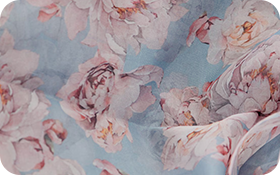
An A-line prom dress offers a narrower profile while preserving tulle’s soft movement. Floral embroidery and dimensional details can also connect naturally with floral prom dresses.
Explore all prom dresses if you want to compare airy tulle with smoother satin or more fluid chiffon.
Rehearse the Practical Moments
Try more than a few dance steps. Practice getting into a car, sitting at a table and walking through a doorway while wearing the dress and intended shoes.
Lift the skirt from the lining rather than pulling individual tulle layers. Check that the hem clears your shoes and that the upper layers return to their natural position after sitting. If the gown has a train, decide in advance how you will hold or bustle it during dancing.
Keep Tulle Away From Snags
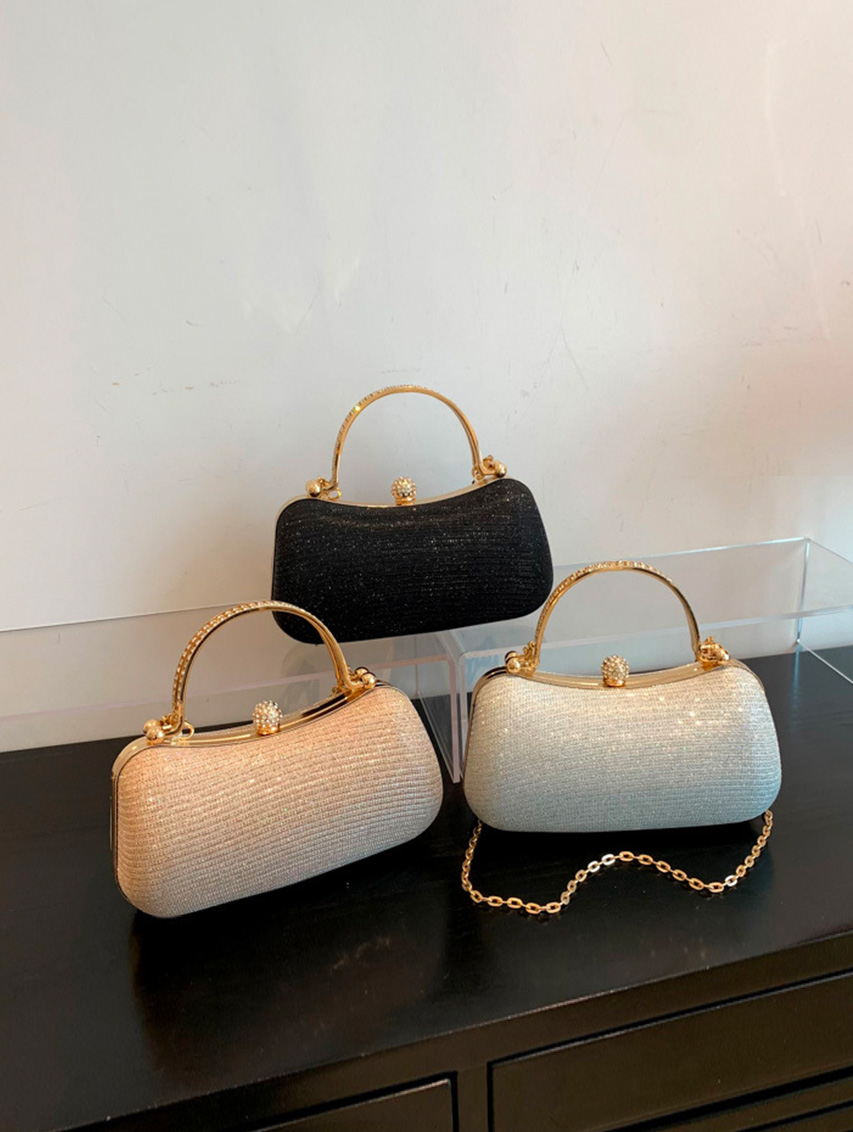
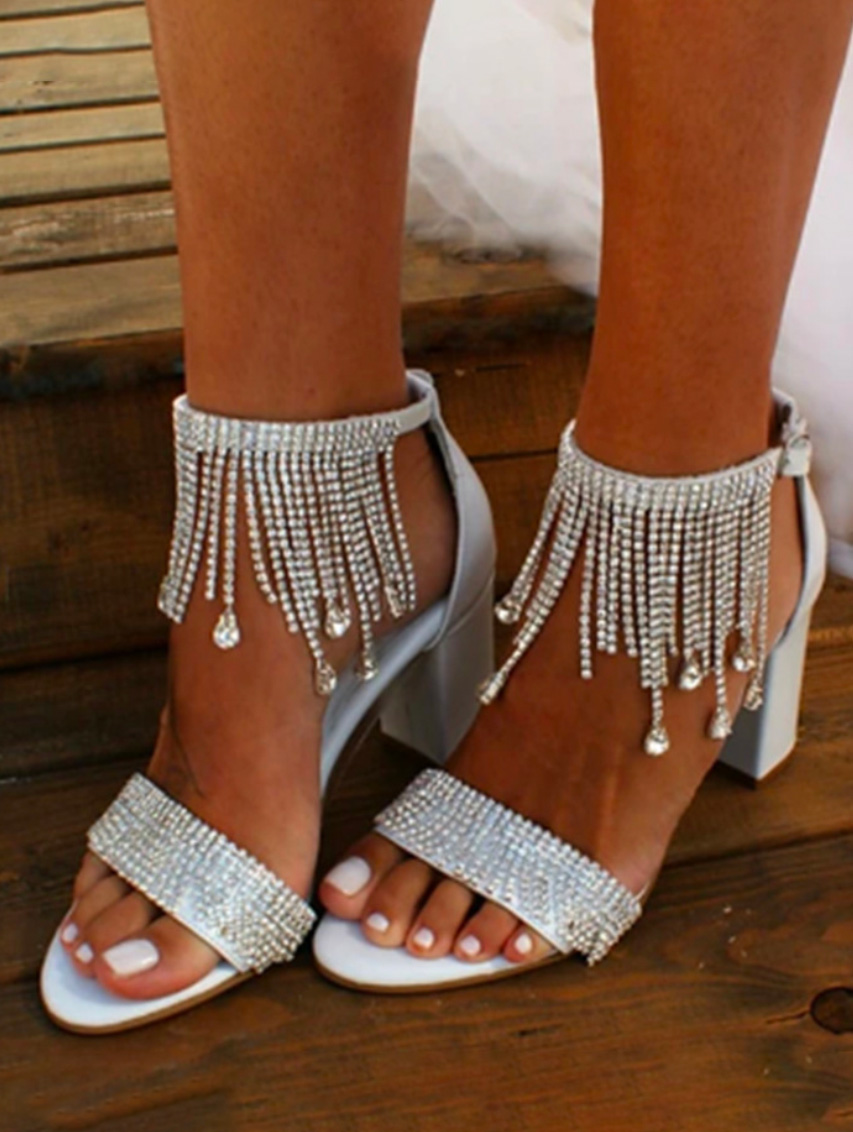
Fine netting can catch on rough surfaces, exposed zippers, sharp jewelry and beaded handbags. Inspect accessories with your hand before placing them against the skirt.
After delivery, allow the gown to hang so compressed layers can relax. Follow the care label when addressing wrinkles. Use low, indirect steam only when appropriate for the specific fabric and embellishments, and avoid pressing a hot iron directly onto tulle.
Tulle Prom Dresses FAQs
Is every tulle prom dress very full?
No. A few soft layers can create gentle movement, while multiple layers or firmer netting produce greater volume. The silhouette and underskirt are as important as the fabric name.
Is tulle see-through?
Tulle itself is net-like and may be sheer. Coverage comes from the lining, underskirt and placement of embroidery or appliques, so check the product images and description carefully.
Can I sit comfortably in a layered tulle gown?
Yes, but a full skirt needs more space. Smooth the layers as you sit and avoid trapping the hem beneath your shoes or chair.
Can a tailor shorten a tulle prom dress?
Often yes, although alterations become more involved when a skirt has multiple layers, appliques or a shaped hem. Ask an experienced formalwear tailor to inspect the gown.
What should I look for in Stacees’ tulle dress photos?